Echoes of Injustice: Tracing Black Identity through Art and Resistance
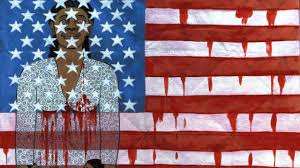
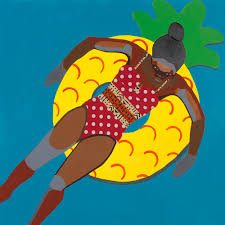
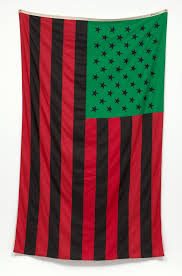
This exhibition explores how African American artists have responded to the historical legacy of slavery and the continuing struggle for racial equality in the United States. Spanning from the nineteenth century to the present, the selected works demonstrate how artists transform experiences of oppression into visual expressions of resilience, identity, and cultural memory. Through ceramics, sculpture, painting, and conceptual art, these works reveal how artistic practice becomes a powerful tool for confronting history while reimagining identity and belonging. The conceptual framework for this exhibition is informed by the work of Saidiya Hartman, who describes the lasting impact of slavery as the “afterlives of slavery.” Hartman argues that slavery remains central to contemporary Black experience not simply because it is remembered, but because the social and political structures established during slavery continue to shape present day inequalities. This idea provides the foundation for the exhibition, which examines how artists across different historical moments engage with these enduring effects through visual expression. The exhibition begins with the work of David Drake, who created stoneware vessels in nineteenth century South Carolina. Drake inscribed poetry onto his pottery during a time when enslaved people were legally prohibited from reading or writing. By carving text into a functional object, Drake transformed everyday pottery into a powerful act of intellectual resistance and self expression. The narrative then moves to Edmonia Lewis and her sculpture Forever Free, created shortly after the American Civil War. The marble sculpture depicts two newly emancipated figures celebrating the end of slavery. Lewis’s work captures both the relief and hope associated with emancipation while acknowledging the historical significance of this moment. The exhibition then shifts to twentieth century critiques of American identity through the work of Faith Ringgold. In The Flag is Bleeding #2, Ringgold transforms the American flag into a visual critique of racial injustice. The altered symbol exposes the contradiction between the nation’s ideals of freedom and the historical experiences of African Americans. Contemporary artists expand these themes through symbolic reinterpretations of identity. Derrick Adams explores layered forms and vibrant color to represent the complexity of modern Black identity and cultural experience. His work highlights moments of leisure and movement that challenge historical limitations on how Black life has been portrayed. The exhibition concludes with David Hammons and his work African American Flag. By replacing the traditional red, white, and blue with the Pan-African colors of red, black, and green, Hammons transforms a familiar national symbol into an expression of Black pride and cultural solidarity. Together, these artworks demonstrate how African American artists across generations have confronted injustice, preserved cultural identity, and reimagined national symbols. By moving from historical objects produced during slavery to contemporary reinterpretations of identity and nationhood, Echoes of Injustice reveals the lasting influence of the past while highlighting the power of art to challenge dominant narratives and affirm cultural resilience.

Artworks
- David Drake, Double Handed Jug. Stoneware with alkaline glaze (1840) — This large stoneware jug created by David Drake features a rounded body, two symmetrical handles, and a smooth alkaline glaze surface. The vessel’s balanced proportions and curved form emphasize its practical purpose as a storage container. Carved into the clay surface, however, is a short poetic inscription that wraps around the body of the jug. The incised lettering introduces a rhythmic visual pattern that draws the viewer’s attention to the written words and transforms the utilitarian object into a site of personal expression. Drake worked as an enslaved potter in South Carolina during the nineteenth century, producing ceramic vessels for plantation use. During this period, many Southern states enforced laws that prohibited enslaved people from learning to read or write. Drake’s decision to inscribe poetry and his name into the clay therefore represents a powerful act of defiance. The presence of written language on the vessel challenges the restrictions placed on enslaved individuals and asserts the artist’s intellectual agency. The jug communicates both technical skill and individuality. While the form demonstrates Drake’s mastery of ceramic production, the carved text affirms his identity within a system that attempted to erase the voices of enslaved people. The inscription becomes a historical record of Drake’s presence and creativity. Within the exhibition, Drake’s jug establishes the historical foundation for understanding the legacy of slavery in American culture. It illustrates how artistic production could function as a form of resistance and self expression even within oppressive conditions. By beginning the exhibition with this object, the narrative highlights how African American artists have long used visual culture to preserve identity and challenge injustice.
- Edmonia Lewis, Forever Free. Carrara marble (1867) — In the sculpture Forever Free, Edmonia Lewis depicts two African American figures celebrating emancipation. A standing male figure raises broken chains above his head while a kneeling woman looks upward in a gesture of gratitude. The composition emphasizes vertical movement, guiding the viewer’s eye from the kneeling figure toward the raised shackles. The smooth marble surface and flowing drapery create a sense of movement while reinforcing the classical sculptural style in which Lewis worked. Created in 1867 shortly after the end of the American Civil War, the sculpture commemorates the abolition of slavery in the United States. The broken chains clearly symbolize liberation from bondage, while the figures’ gestures convey relief and hope for the future. Lewis, one of the first internationally recognized African American sculptors, used traditional European sculptural techniques to portray Black figures with dignity and strength at a time when such representations were rare. The sculpture captures both celebration and uncertainty. Although the figures appear triumphant, their posture also reflects the transitional moment of Reconstruction when formerly enslaved individuals faced the challenges of building new lives in a society still marked by racism and inequality. Within the exhibition, Forever Free represents the historical shift from slavery to emancipation. The work highlights a pivotal moment in American history while also reminding viewers that the end of slavery did not eliminate the social and political structures that continued to shape African American life.
- Faith Ringgold, The Flag is Bleeding #2, 1997. Acrylic on canvas with pieced border (1997) — In The Flag is Bleeding #2, Faith Ringgold transforms the American flag into a powerful critique of racial inequality. The composition retains the recognizable structure of the flag, with horizontal stripes and a field of stars, but the red stripes appear to bleed across the canvas. The intense crimson tones create a striking contrast against the muted blues and whites, disrupting the familiar pattern. The structured geometry of the flag provides visual stability, yet the bleeding stripes introduce tension and unease. Subtle human forms appear within the composition, merging the national symbol with the experiences of the people it represents. This visual strategy forces viewers to reconsider the meaning of patriotism and the ideals associated with the American flag. Ringgold created this work to address the historical experiences of African Americans, including segregation, racial violence, and the struggle for civil rights during the twentieth century. By altering a symbol traditionally associated with freedom and unity, the artist exposes the contradictions between American democratic ideals and the realities of racial discrimination. Within the exhibition, this painting shifts the narrative from the historical moment of emancipation to the ongoing struggle for equality in modern American society. Ringgold’s reinterpretation of the flag demonstrates how artists can challenge national narratives and encourage viewers to reflect on the relationship between identity, history, and citizenship.
- Derrick Adams, Floater No. 36, 2017. Acrylic paint and collage on paper (2017) — In Floater No. 36, Derrick Adams creates a dynamic composition filled with vibrant colors and layered shapes. Curved forms appear to float across a dark background, generating a sense of movement throughout the painting. The repetition of rounded shapes establishes a visual rhythm, while the contrast between bright colors and darker areas directs the viewer’s eye across the surface.Adams frequently explores themes of leisure, identity, and representation within contemporary Black culture. The floating forms in this work suggest fragmented figures relaxing in water, yet they remain partially stylized and simplified. This balance between recognizable imagery and abstraction allows viewers to interpret the composition in multiple ways. The painting emphasizes moments of leisure and joy, which historically have been underrepresented in depictions of Black life. Through bold color and playful forms, Adams challenges limited portrayals of African American identity and instead highlights everyday experiences of relaxation, movement, and self expression. Within the exhibition, Adams’s work represents the contemporary continuation of African American artistic expression. The painting shifts the focus from direct historical narratives toward broader explorations of cultural identity and resilience. It demonstrates how modern artists reinterpret history while creating new visual languages that celebrate the diversity and vitality of Black life.
- David Hammons, African American Flag, 1990. Canvas and grommets (1990) — In African American Flag, David Hammons reimagines the familiar design of the United States flag using the Pan African colors of red, black, and green. While the arrangement of stars and stripes remains unchanged, the altered colors immediately transform the meaning of the symbol. The bold color fields dominate the composition, creating a visually striking reinterpretation of a widely recognized national emblem. The Pan African color scheme references the global movement for Black unity and liberation that emerged during the twentieth century. By combining these colors with the structure of the American flag, Hammons creates a visual dialogue between African American cultural identity and national symbolism. The simplicity of the design strengthens the work’s impact. Because the flag’s layout is instantly recognizable, even small changes to its colors encourage viewers to reconsider ideas of patriotism, belonging, and citizenship. The work suggests that African American identity is deeply connected to American history while also maintaining ties to a broader global community. As the final work in the exhibition, African American Flag brings the narrative into the present. It transforms a national symbol into an expression of cultural pride and reflection, inviting viewers to reconsider how the legacy of slavery continues to shape discussions of identity and nationhood in the United States.


Edmonia Lewis, Forever Free. Carrara marble

Faith Ringgold, The Flag is Bleeding #2, 1997. Acrylic on canvas with pieced border

Derrick Adams, Floater No. 36, 2017. Acrylic paint and collage on paper

David Hammons, African American Flag, 1990. Canvas and grommets
Immersive Experience
Walk through this gallery in 3D
Step inside a virtual gallery space. Walk up to each artwork. See them as they were meant to be seen.
Experience in 3DReact to this gallery
Guestbook
Sign in to leave a comment.
Loading…