Black Children Under the Adult Gaze

5 artworks 6 views Walk Through in 3D

Artworks

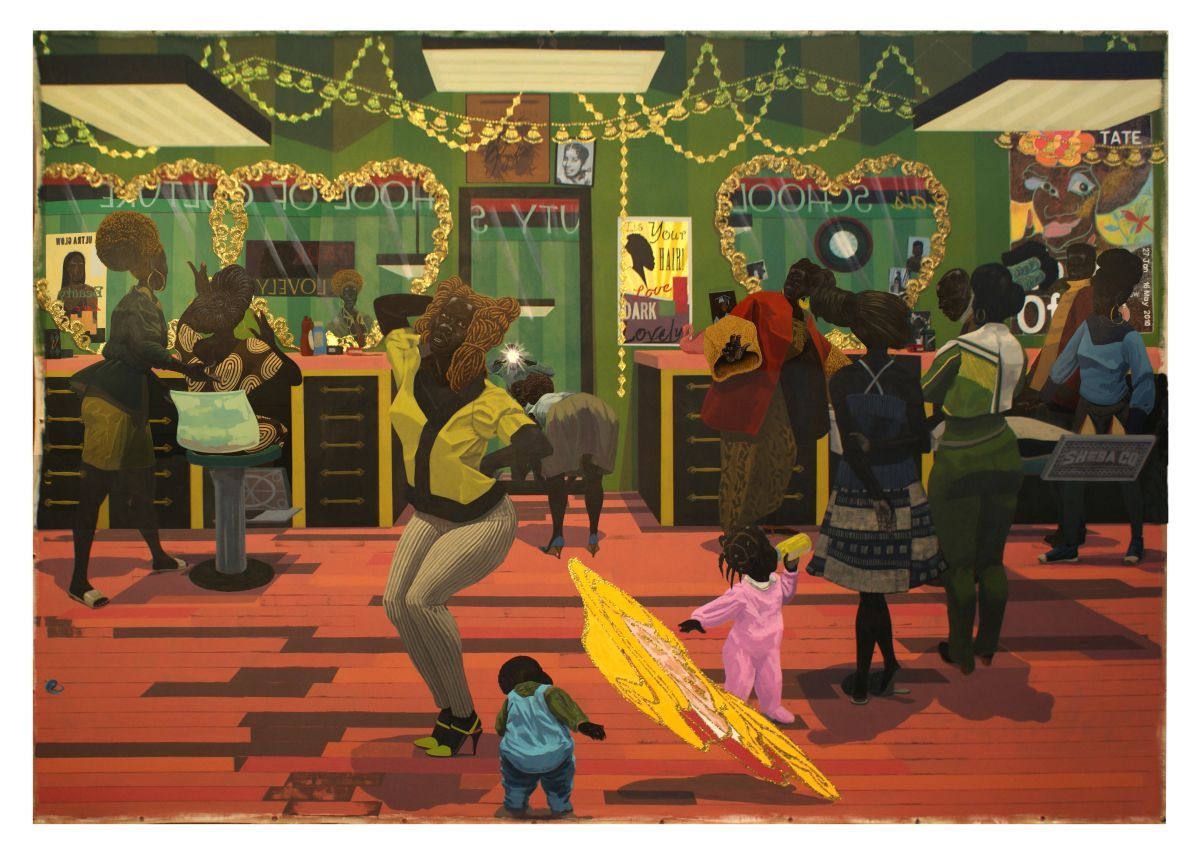
  • School of Beauty, School of Culture (2012) — Kerry James Marshall's "School of Beauty, School of Culture" uses scale, color, and pattern to celebrate Black beauty culture. The bright, busy salon scene fills the canvas with life and pride, but the distorted figure on the floor sets a confusing/unsettling presence within that celebration. This contrast between vibrant presence and hidden distortion makes the viewer question what's really going on beneath the surface of an everyday space. Marshall’s painting is both a tribute to black culture and a quiet warning about how outside ideas can sneak into such spaces.
  • The Beautyful Ones (2018) — Akunyili Crosby's "The Beautyful Ones Series #9" uses collage, pattern, and contrast to show how personal history and present life exist together. The detailed collage covering the shelves and the children's clothing represents memory, family, and Nigerian culture, while the flat, solid colors of the furniture represent a modern American setting. By combining both styles, Akunyili Crosby shows that identity isn't about choosing one culture over another, but about living with both at once. The children’s gaze towards the viewer represents pride and connection to where they come from.
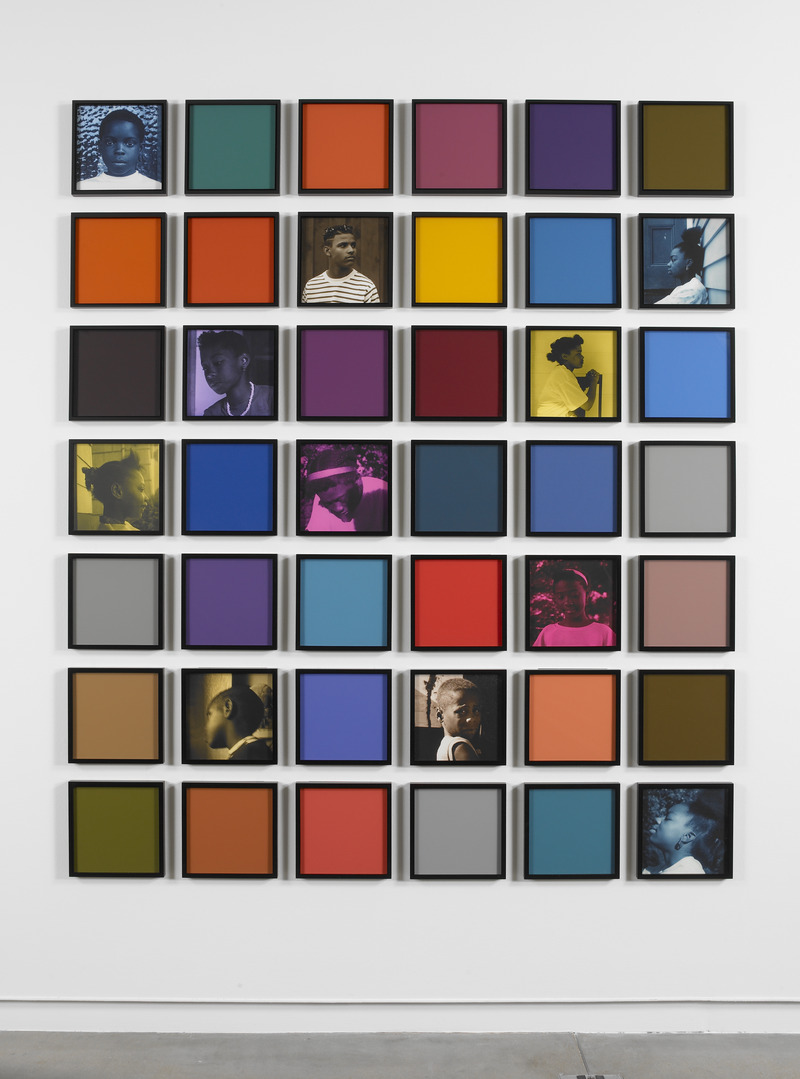
  • Untitled (Colored People Grid) (2009) — Carrie Mae Weems's "Untitled (Colored People Grid)" uses color, repetition, and a grid to connect to and challenge abstract art. Since the 1980s, Weems has explored Black identity and race through photography, often reworking historical images and ideas to bring out perspectives that were left out. In this piece, the solid color panels look like minimalist art, but the portraits of children, colored the same way, add real faces and the topic of race into that style. By reclaiming the old term "colored people" through color, Weems turns a racist label into something that can mean pride and diversity. The work shows how identity comes from both shared history and personal experience.
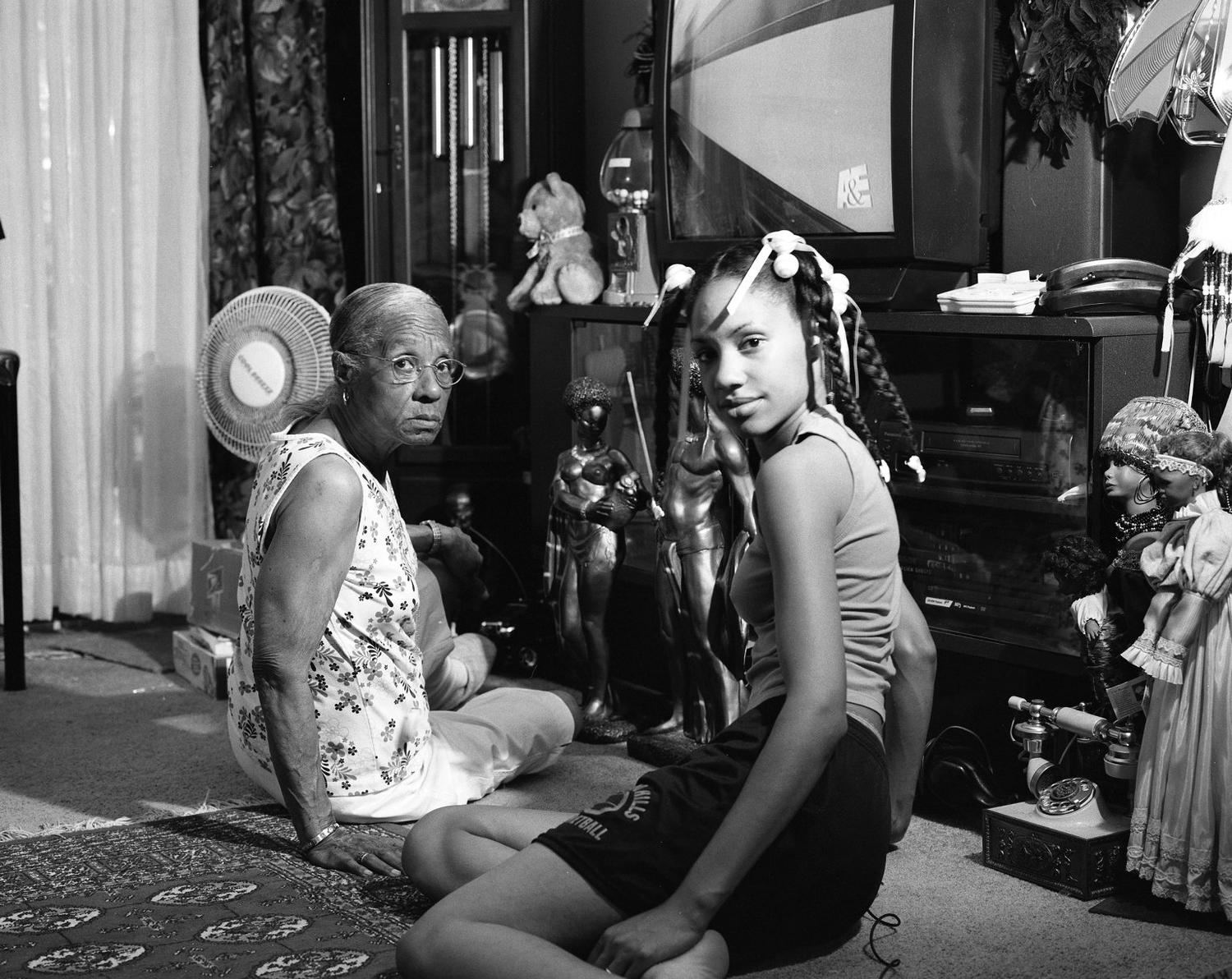
  • Grandma Ruby and Me (2005) — Frazier's "Grandma Ruby and Me" uses a black-and-white tone and a documentary style to connect personal family history to the larger story of Braddock's economic decline. By placing herself and her grandmother together in an intimate domestic space, Frazier makes the viewer feel like they're witnessing a private, generational bond. The choice of black and white ties the image to older documentary traditions, suggesting that her family's experience is part of a longer pattern of struggle in working-class American communities. This personal approach turns a family photo into evidence of how industrial decline and health inequities affect real people across generations.
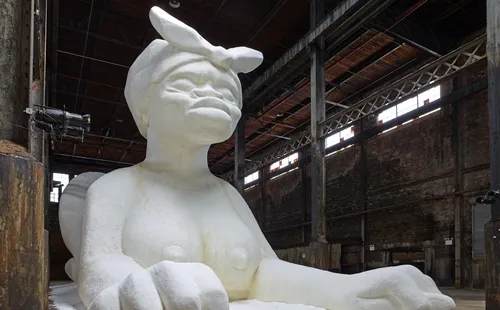
  • A Subtlety (2014) — Kara Walker's "A Subtlety" uses scale, contrast, and material to make viewers face the lasting impact of slavery. This massive white sugar sculpture, shaped as a sphinx with "Mammy" caricature features, dominates the dark industrial space, separating it from the surrounding darkness through lighting and size. These choices make the figure seem both powerful and dehumanizing, capturing the contradiction of a stereotype expected to care for others while being denied her own humanity. This was created in 2014 at a sugar refinery historically tied to slave labor, and Walker's choice of sugar as the medium directly links the sculpture to that history, making the work a confrontation with how slavery's violence persists in America.
School of Beauty, School of Culture

School of Beauty, School of Culture

2012
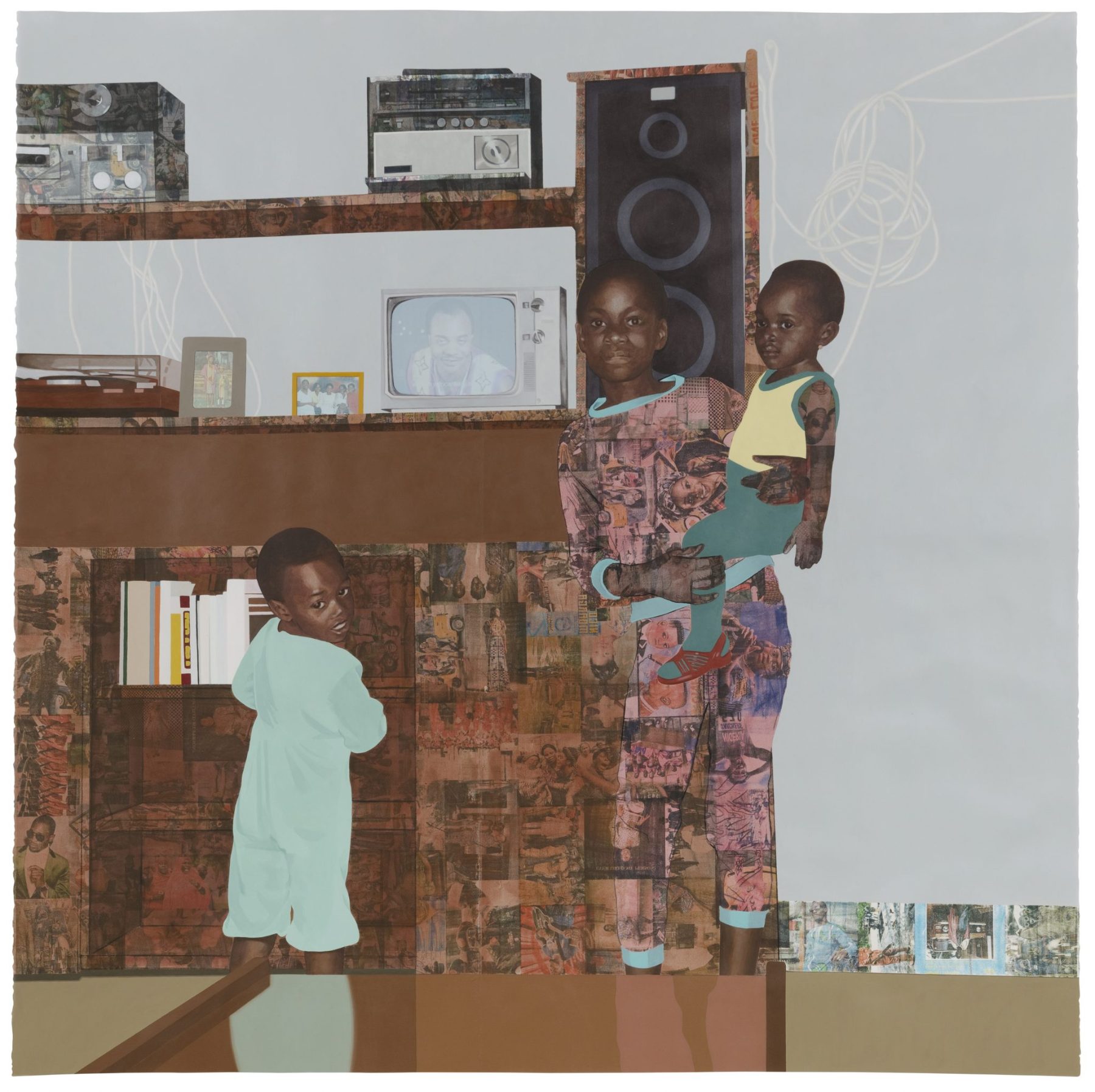
The Beautyful Ones

The Beautyful Ones

2018
Untitled (Colored People Grid)

Untitled (Colored People Grid)

2009
Grandma Ruby and Me

Grandma Ruby and Me

2005
A Subtlety

A Subtlety

2014

Immersive Experience

Walk through this gallery in 3D

Step inside a virtual gallery space. Walk up to each artwork. See them as they were meant to be seen.

Experience in 3D

React to this gallery

Guestbook

Sign in to leave a comment.

Loading…