

Bodies in Agony
Artworks
- Curatorial Text (2026)
- Agesander, Athenodoros, and Polydorus, Laocoön and His Sons, 2nd–1st century BCE Marble sculpture (2026) — This sculpture shows three figures struggling against twisting serpents, with bodies that are highly detailed and muscular. The figures are arranged in a dynamic composition, with strong diagonal lines and exaggerated movement that draw attention to their physical pain. The expressions on their faces and the tension in their bodies make the suffering very visible. Created during the Hellenistic period, the work reflects an interest in drama, emotion, and the human experience, even while maintaining idealized anatomy. The context comes from Greek mythology, where Laocoön is punished by the gods, which adds a layer of meaning related to fate and divine power. This sculpture belongs in the exhibition because it is one of the earliest examples of how artists used the human body to express intense suffering. The combination of ideal beauty and extreme pain supports the theme by showing how physical struggle can be turned into a powerful visual statement.
- Michelangelo, Dying Slave, 1513–1516, Marble sculpture (2026) — This sculpture presents a single male figure with a relaxed, almost soft pose, despite the title suggesting suffering. The body is smooth and idealized, showing Michelangelo’s focus on anatomy and balance during the Renaissance. Unlike more dramatic depictions of pain, the figure’s closed eyes and calm expression suggest a more internal or emotional struggle. Historically, the work was created during a time when artists were influenced by classical ideals but also interested in human emotion and spirituality. The meaning of the piece is somewhat unclear, which adds to its complexity, as it may represent both physical death and spiritual release. This work fits into the exhibition because it shows a shift from obvious physical suffering to something more subtle and psychological. The body still communicates struggle, but in a quieter and more introspective way, supporting the theme of expression through the human form.
- Francisco Goya, The Third of May 1808, 1814, Oil on canvas (2026) — This painting shows a group of civilians being executed by soldiers, with a strong contrast between light and dark that emphasizes the central figure. The man in white raises his arms, creating a dramatic gesture that draws attention to his fear and vulnerability. The composition is direct and emotional, with less focus on idealized bodies and more on raw human experience. Created during the Romantic period, the painting reflects real historical events during the Peninsular War, making it deeply connected to political violence and trauma. Goya’s work challenges viewers to confront the reality of war and its impact on ordinary people. This painting belongs in the exhibition because it expands the idea of suffering beyond myth and symbolism into real life. The human body becomes a way to show fear, injustice, and violence, strongly supporting the overall theme.
- Käthe Kollwitz, Mother with her Dead Son, 1937, Sculpture (stone) (2026) — This sculpture shows a mother holding her dead child, with both figures simplified and closely connected. The forms are heavy and compact, which creates a sense of emotional weight and stillness. Unlike more detailed works, Kollwitz reduces the figures to basic shapes, focusing attention on the feeling rather than the physical details. Created in the context of World War I, the work reflects personal and collective grief, especially the loss experienced by families. The meaning is centered on mourning and the emotional impact of death, rather than the event itself. This piece fits into the exhibition because it shows how suffering can be expressed quietly through the body. The close posture and lack of movement emphasize emotional pain, supporting the idea that the body can communicate deep, personal struggle.
- Francis Bacon, Study after Velazquez's Portrait of Pope Innocent X, 1953, Oil on canvas (2026) — This painting features a distorted figure seated in a chair, with blurred lines and intense colors that create a sense of instability. The face appears to be screaming, but it is partially obscured, adding to the feeling of psychological tension. Bacon uses abstraction and distortion rather than realistic detail, which reflects modern artistic approaches. Created in the 20th century, the work is influenced by ideas about existentialism and the inner mind, focusing on anxiety and isolation. The meaning is less about a specific event and more about a general sense of human suffering and mental distress. This painting belongs in the exhibition because it shows how the representation of the body has changed over time. The distortion of the figure supports the theme by showing that suffering is not always physical, but can also be psychological and difficult to define.
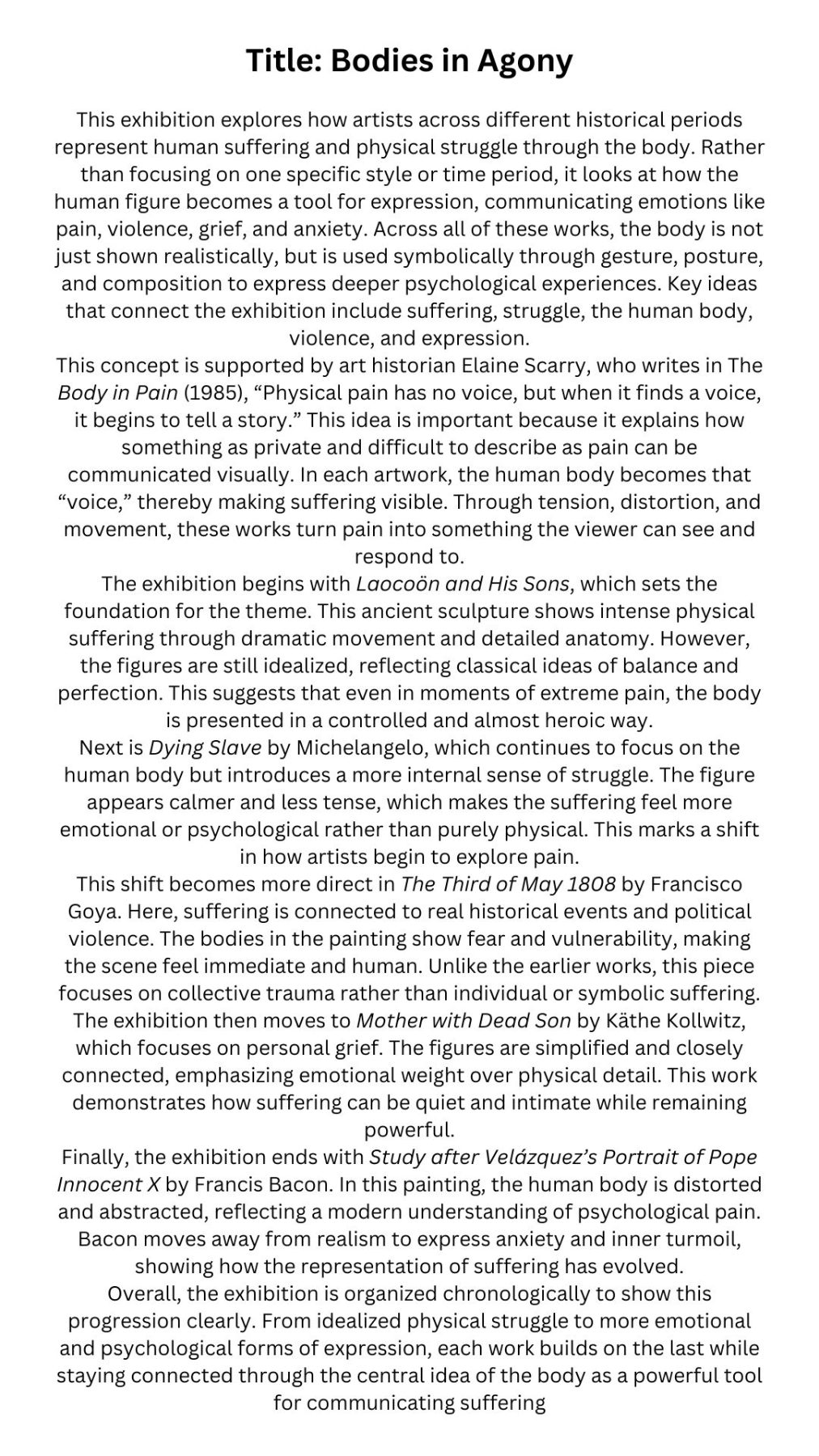
Curatorial Text
2026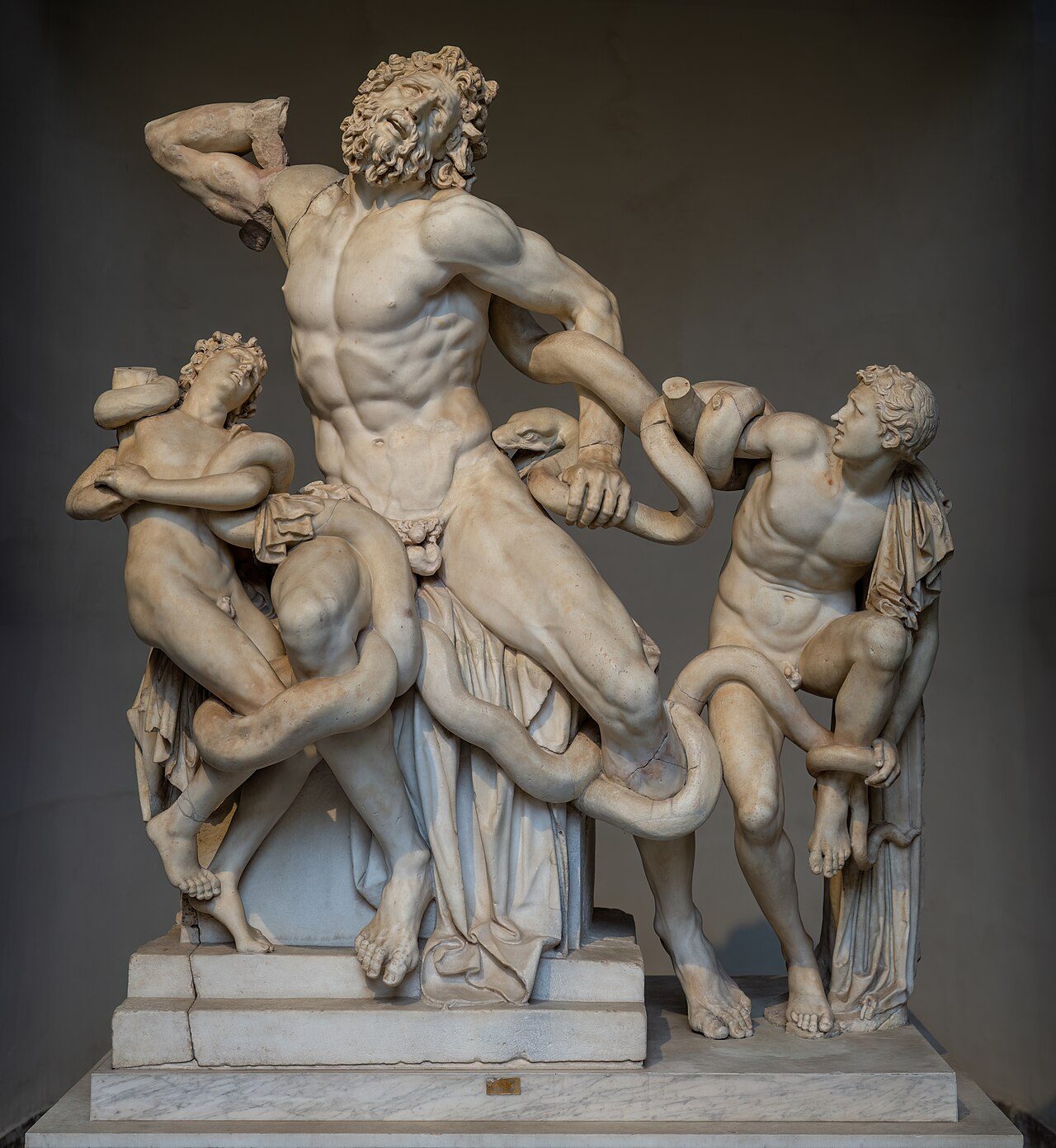
Agesander, Athenodoros, and Polydorus, Laocoön and His Sons, 2nd–1st century BCE Marble sculpture
2026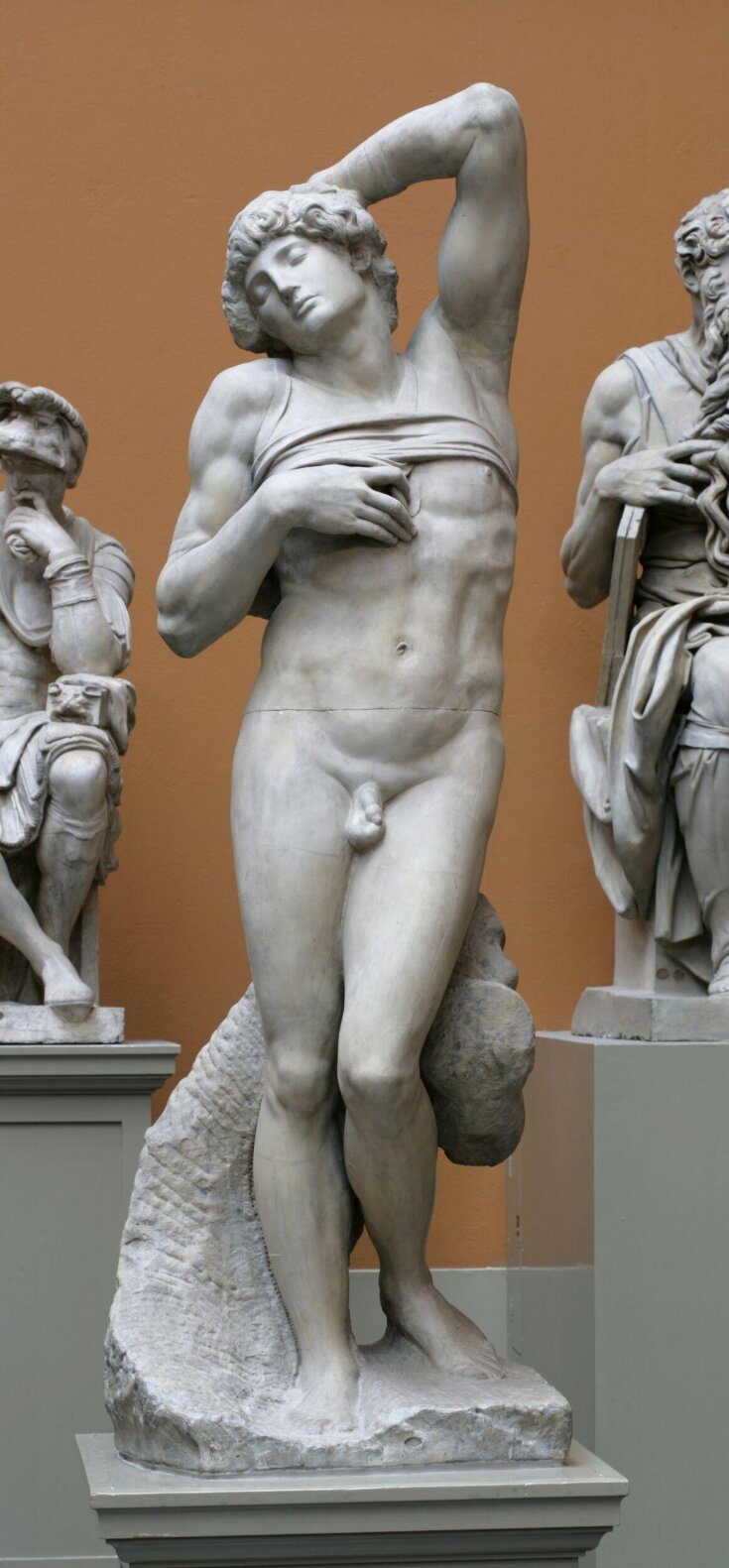
Michelangelo, Dying Slave, 1513–1516, Marble sculpture
2026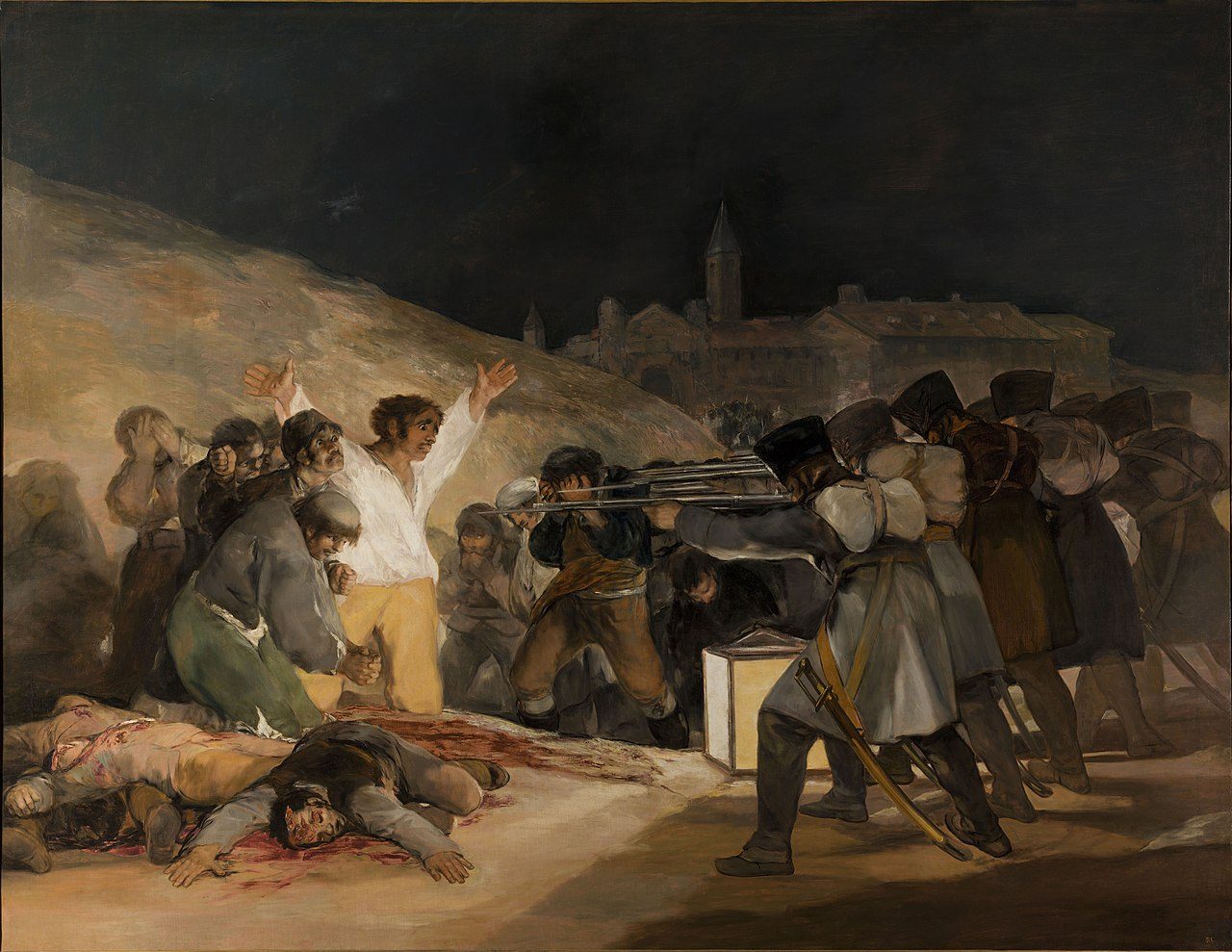
Francisco Goya, The Third of May 1808, 1814, Oil on canvas
2026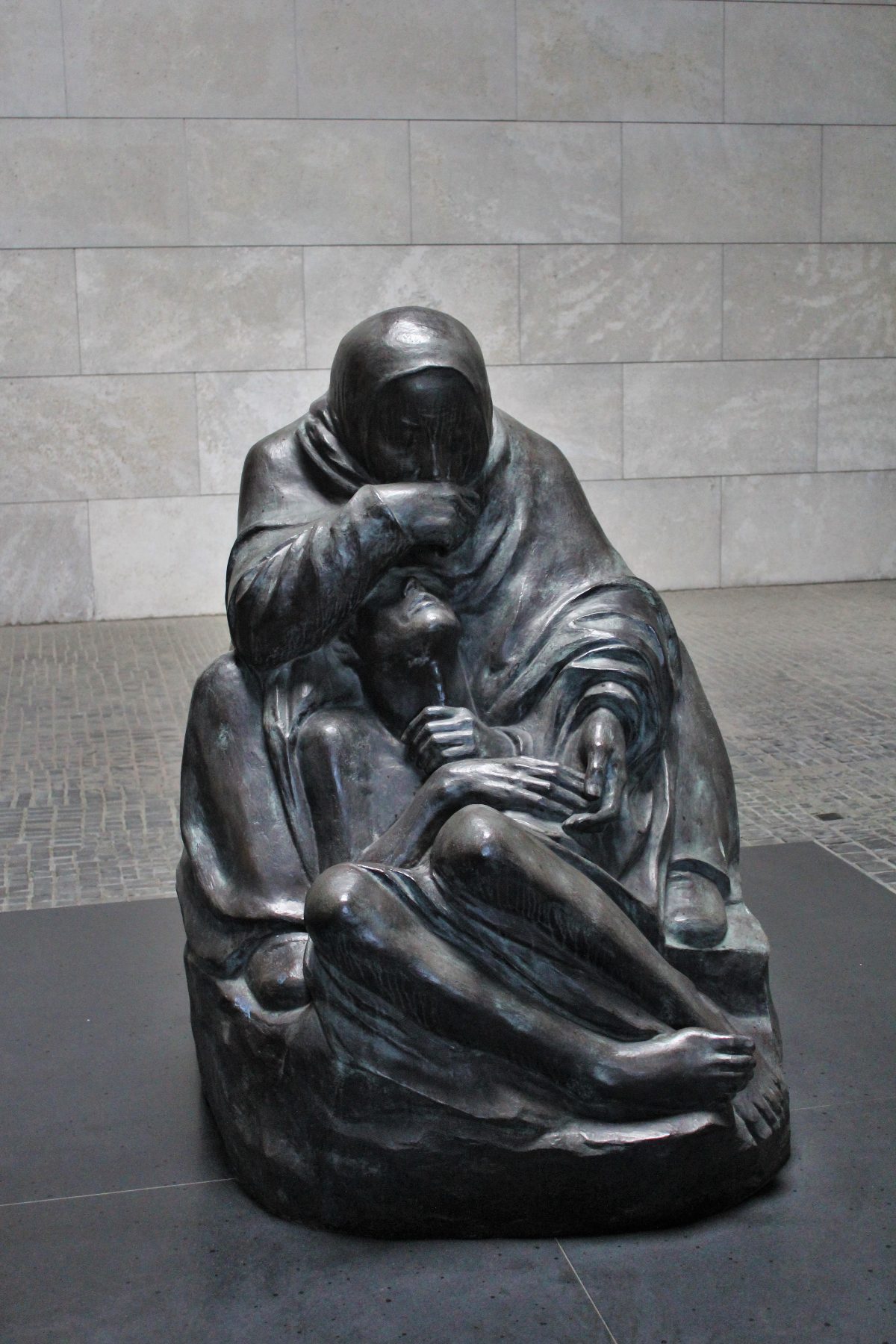
Käthe Kollwitz, Mother with her Dead Son, 1937, Sculpture (stone)
2026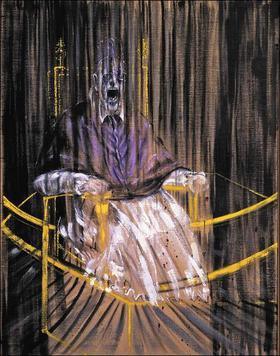
Francis Bacon, Study after Velazquez's Portrait of Pope Innocent X, 1953, Oil on canvas
2026Immersive Experience
Walk through this gallery in 3D
Step inside a virtual gallery space. Walk up to each artwork. See them as they were meant to be seen.
React to this gallery
Guestbook
Sign in to leave a comment.
Loading…