Constructing Her: femininity as performance, spectacle, and control
For this curation, I bring together artworks that explore femininity not as something natural or fixed, but as something socially constructed, performed, observed, and consumed. Across photography, installation, sculpture, and performance art, the selected works examine the pressures placed on women to embody idealized versions of beauty, behavior, vulnerability, and desirability. Rather than presenting femininity as stable or authentic, these artists reveal how female identity is shaped through performance, spectatorship, domestic expectations, and systems of control. One of the central questions guiding this exhibition is: how much femininity is genuinely self-defined, and how much is constructed through social expectations and visual culture? I am interested in artworks that appear visually elegant or refined on the surface while simultaneously carrying emotional tension, discomfort, or psychological unease beneath that appearance. The exhibition progresses from staged feminine presentation toward bodily vulnerability, fragmentation, and objectification, allowing viewers to experience femininity as both spectacle and pressure. Some works directly depict the female body, while others imply it through objects, installations, or fragments. Together, they suggest that femininity is continually shaped through performance, observation, and public consumption. In Ways of Seeing, art critic and author John Berger writes, “Men act, and women appear.” Berger argues that women are conditioned to observe themselves through the imagined perspective of others. Rather than simply existing, they are often expected to shape their appearance and behavior around being seen, judged, and consumed visually. Berger’s ideas are central to this exhibition because each artwork examines the tension between authentic identity and performed femininity. Across these works, femininity becomes staged, disciplined, controlled, or fragmented under public observation. Whether through cinematic self-presentation, domestic performance, bodily vulnerability, racialized spectacle, or artificial beauty standards, the artists reveal how women are frequently transformed into images to be viewed rather than individuals allowed to exist freely. Several concepts from Berger’s work inform this project. First, women are often positioned as images or spectacles for visual consumption. Second, femininity becomes performative through self-surveillance, as appearance, posture, beauty, and behavior are shaped by the awareness of being watched. Finally, Berger connects observation to systems of power, suggesting that looking is not neutral but can shape identity, behavior, and bodily autonomy. The exhibition follows a deliberate sequence. It begins with Cindy Sherman’s staged self-portrait, where femininity appears cinematic and carefully performed. Martha Rosler then introduces the pressures of domestic labor and behavioral expectations, exposing frustration beneath everyday routines. The emotional center is reached with Marina Abramović’s Rhythm 0, where the female body becomes vulnerable to public interaction and control. From there, Kara Walker expands the discussion by connecting femininity to racialized spectacle, consumption, and historical exploitation. Finally, the exhibition concludes with ORLAN’s surgical performance work, where femininity is physically reconstructed through cosmetic procedures shaped by historical beauty ideals. This progression allows the exhibition to become increasingly psychologically unsettling, moving from polished feminine appearance toward fragmentation, vulnerability, and the consequences of being shaped through systems of observation and control. Ultimately, the exhibition invites viewers to question how ideas of femininity are produced, maintained, and consumed, while considering the emotional and physical costs of living under constant scrutiny and expectation.
Artworks
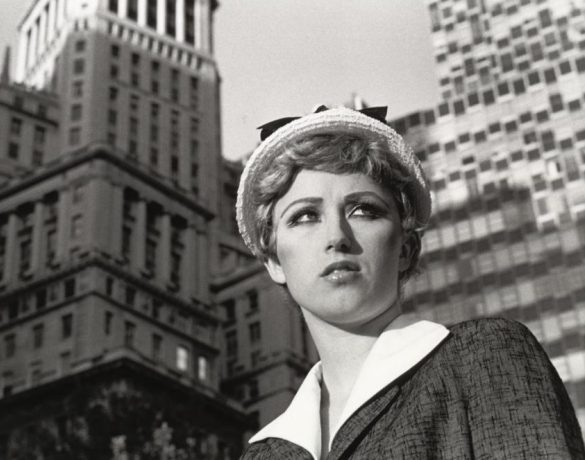
- Untitled Film Still #21, 1978 - Cindy Sherman - Gelatin silver print (2026) — Sherman’s photograph creates an elegant but emotionally unsettling image of femininity shaped through performance and observation. Although the woman initially appears glamorous and cinematic, the image also feels isolated and psychologically tense. The staged quality of the photograph suggests that femininity is being acted out rather than naturally expressed. The city environment surrounding the woman feels impersonal, making the woman appear visually trapped within expectations tied to appearance and behavior. By using herself as both artist and subject, Sherman blurs the boundary between authentic identity and constructed persona. This artwork introduces the exhibition by presenting femininity as something consciously performed for an imagined audience, establishing themes of spectacle, beauty, and observation that continue throughout the gallery.
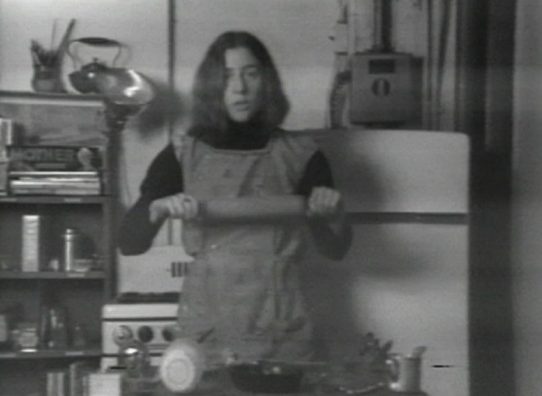
- Semiotics of the Kitchen, 1975 - Martha Rosler - Black-and-white video performance (2026) — Rosler’s performance exposes how femininity can become tied to repetitive labor, emotional suppression, and socially constructed expectations. While the kitchen initially appears ordinary and familiar, the artist’s sharp gestures and detached demeanor gradually transform the space into something emotionally hostile. The alphabetical presentation of kitchen tools mimics educational demonstrations, but the increasing aggression behind each gesture destabilizes the performance and creates discomfort. Rather than presenting domestic labor as nurturing or feminine, Rosler reframes it as psychologically restrictive and performative. This artwork expands the exhibition’s exploration of femininity beyond physical appearance by focusing on behavior and social roles. The work creates a bridge between Sherman’s performed visual identity and Abramović’s exploration of bodily vulnerability and public control.
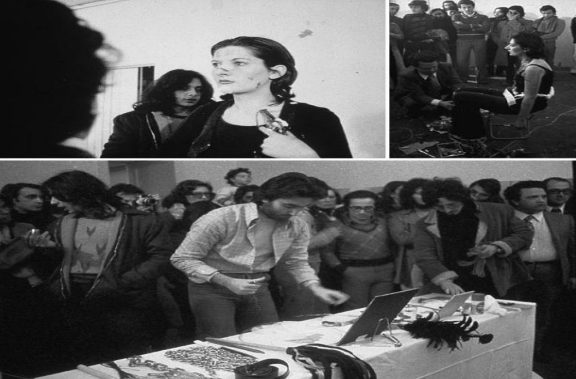
- Rhythm 0, 1974 - Marina Abramović - Performance art with objects and audience participation (2026) — Rhythm 0 transforms the female body into a public object shaped entirely through audience interaction. The table arrangement initially appears visually elegant and almost ceremonial, but the presence of violent objects creates immediate psychological tension. Abramović’s complete stillness removes traditional boundaries between performer and viewer, allowing the audience to project their own desires, curiosity, or aggression onto her body. As the performance progressed, participants reportedly became increasingly invasive and violent, revealing how quickly spectatorship can shift into control and objectification. The work becomes deeply unsettling because it exposes the fragility of bodily autonomy when social restraint disappears. Within the exhibition, Abramović’s performance acts as the emotional center, shifting the focus from performed femininity toward physical vulnerability and public consumption. The piece demonstrates how the female body can become both spectacle and site of control under collective observation.
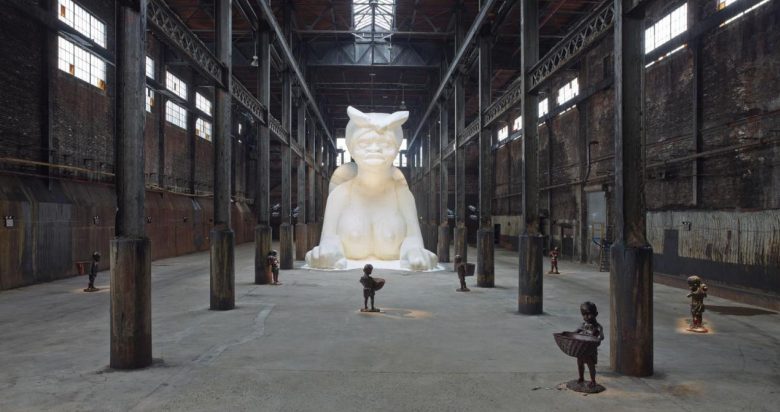
- A Subtlety, or the Marvelous Sugar Baby, 2014 - Kara Walker - Installation sculpture made of sugar, polystyrene, and molasses (2026) — Walker’s installation transforms femininity into something monumental, excessive, and historically charged. The sculpture initially appears visually beautiful because of its scale, whiteness, and theatrical presence, but the exaggerated body and industrial setting quickly create discomfort. The use of sugar becomes especially significant because it references both sweetness and the brutal colonial systems responsible for its production. Walker forces viewers to confront how femininity, particularly Black femininity, has historically been consumed visually, economically, and physically. The monumental scale turns the body into a spectacle while simultaneously exposing violence behind that spectacle. Within the exhibition, A Subtlety expands the theme of constructed femininity beyond individual experience by connecting beauty, observation, and objectification to larger histories of race, labor, and consumption. The work deepens the exhibition emotionally and politically before the final transition into fragmentation and artificial beauty standards.
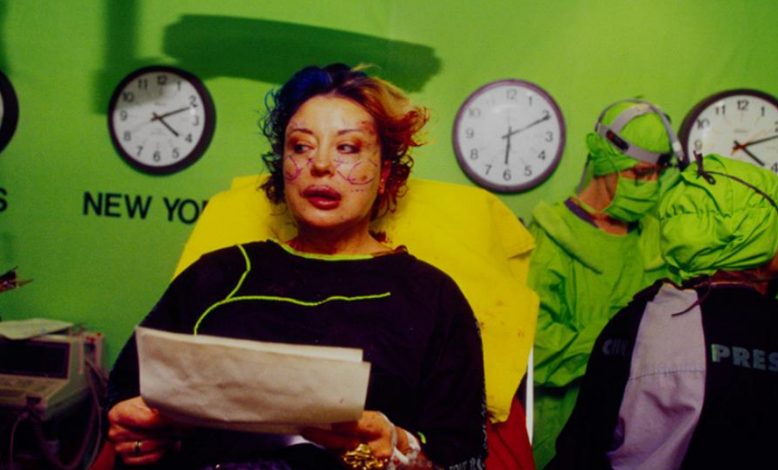
- The Reincarnation of Saint-Orlan, 1990–1993 - ORLAN - Performance art / photography / surgical performance documentation (2026) — Orlan’s performances create a disturbing confrontation between beauty, control, and bodily transformation. The theatrical presentation initially resembles fashion imagery or glamorous portraiture, but the surgical setting quickly destabilizes that elegance and replaces it with physical discomfort. By using cosmetic surgery as an artistic medium, Orlan reveals how femininity is often shaped through painful systems of modification and self-surveillance. The body becomes both artwork and site of cultural pressure. Unlike the earlier works in the exhibition, where femininity is externally observed or controlled, Orlan complicates the relationship between agency and conformity by willingly participating in her own transformation. The performances raise unsettling questions about whether beauty standards can ever truly be separated from violence, performance, or social expectation. Within the exhibition, this final work concludes the progression from a constructed feminine appearance toward literal bodily reconstruction, leaving the viewer with an image of femininity shaped through both personal agency and external pressure. The work creates an ending that feels elegant, artificial, and psychologically unresolved.


Semiotics of the Kitchen, 1975 - Martha Rosler - Black-and-white video performance

Rhythm 0, 1974 - Marina Abramović - Performance art with objects and audience participation

A Subtlety, or the Marvelous Sugar Baby, 2014 - Kara Walker - Installation sculpture made of sugar, polystyrene, and molasses

The Reincarnation of Saint-Orlan, 1990–1993 - ORLAN - Performance art / photography / surgical performance documentation
Immersive Experience
Walk through this gallery in 3D
Step inside a virtual gallery space. Walk up to each artwork. See them as they were meant to be seen.
Experience in 3DReact to this gallery
Guestbook
Sign in to leave a comment.
Loading…