

Echoes on Stone: Seeing the World Through Prehistoric Eyes
Artworks
- blob (2026)
- El Castillo Cave Paintings, Spain (2026) — Artist: Unknown Year: c. 40,000 BCE Medium: Cave painting The El Castillo paintings include the use of red disks in circles and hand stencils directly on the limestone surface. The hand prints are in negative form, where the pigment is blown around the hand to be stuck to the surface, while the use of red disks stands out against the light-colored limestone surface. The use of contrasting colors and repetition creates movement in the artwork, while the rough surface of the limestone gives the piece depth and texture. The artwork depicts presence, participation, and engagement with the natural surroundings. It was made 40,000 years ago in the Paleolithic period, which means it was either done by early human beings or Neanderthals, symbolizing early human communication.Hand stencils and disks represent human identity, group, and interaction with their environment, which is considered one of the earliest manifestations of self-consciousness. El Castillo, as part of the exhibition, represents the initial phase of prehistoric perception of art, where humans began to create deliberate marks on their environment, which involved observation, symbolic thinking, and being present in a particular location.
- Hall of the Bulls, Lascaux, France (2026) — Artist: Unknown Year: c. 17,000 BCE Medium: Polychrome cave painting The Hall of Bulls features images of large animals, including bulls, horses, and deer, which are painted on the curved walls of the caves with black, red, and brown colors. The images depict various animals in their profiles, and their overlapping suggests movement and action. There is also variation in the size of the animals, which contributes to their dynamic and engaging quality. The use of contour lines and shading on the images contributes to their volume and movement, and the curved shape of the caves also contributes to their dynamic quality by suggesting interaction among the animals. These images were created during the Upper Paleolithic period and may have been used for both practical and ritual purposes in relation to their connection with nature.The arrangement of the animals promotes both awe and respect for the presence of the animals. Such an arrangement shows careful observation and visual storytelling. In the exhibition, the Hall of the Bulls shows how prehistoric humans developed the symbolic representations to depict the dynamics of movement, scale, and relationship within their environment.
- Chauvet Cave Animal Panel, France (2026) — Artist: Unknown Year: c. 30,000 BCE Medium: Cave painting Chauvet Cave panels depict lions, rhinoceroses, and horses with detailed outlines and subtle shading. Animals appear in groups and sometimes overlap, creating a sense of movement and interaction. Charcoal lines are bold, while shading adds depth and volume. The composition emphasizes rhythm and spatial organization, demonstrating advanced observation and planning. Dating roughly 30,000 years ago, these works are among the earliest sophisticated cave paintings, combining realistic detail with symbolic expression. These images suggest storytelling and a worldview in which humans observed and interpreted complex predator-prey relationships and socialized dynamics within the animal kingdom. Within the exhibition, Chauvet represents the development of narrative and observational sophistication in prehistoric art, bridging observation and interpretation.
- Cueva de las Manos, Argentina (2026) — Artist: Unknown Year: 7000–3000 BCE Medium: Stenciled hands and animals Cueva de las Manos features hand stencils in red, black, yellow, and white colors. Most of the hand stencils are in the form of a negative image, with many overlapping, thus creating a visual pattern. Small images of guanacos accompany the hand stencils, thus providing a contextual narrative to the visual works. Repetition, size, and layering create a visual rhythm in the artworks, thus emphasizing participation and collective presence. The hand stencils in the visual works symbolize identity, community, and interaction with space. In the context of the exhibition, Cueva de las Manos changes focus from observing animal life to observing collective presence, thus creating a visual narrative of collective perception in prehistoric communities.
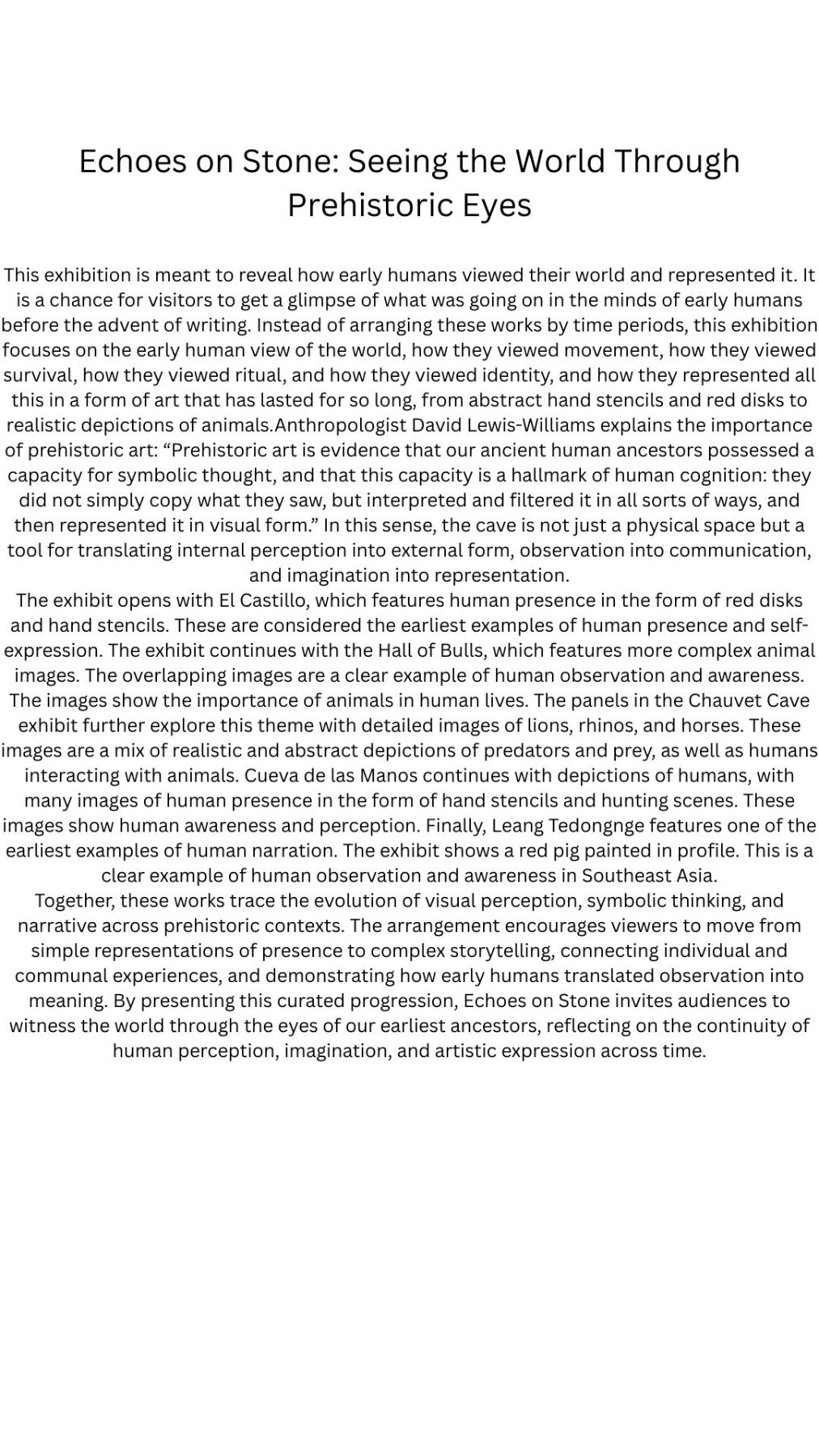
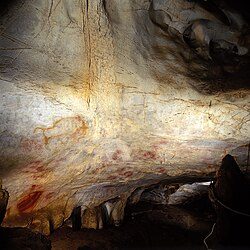
El Castillo Cave Paintings, Spain
2026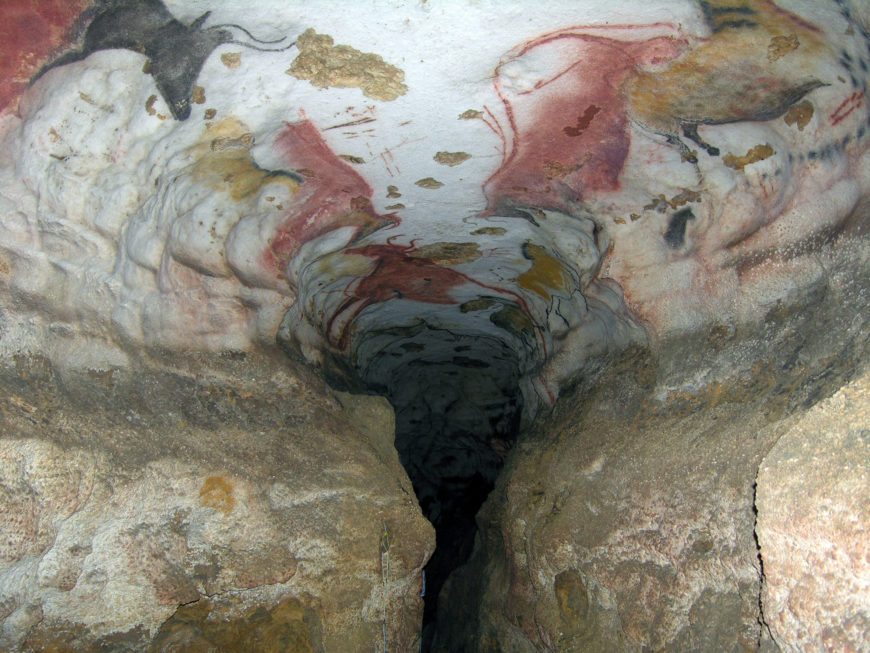
Hall of the Bulls, Lascaux, France
2026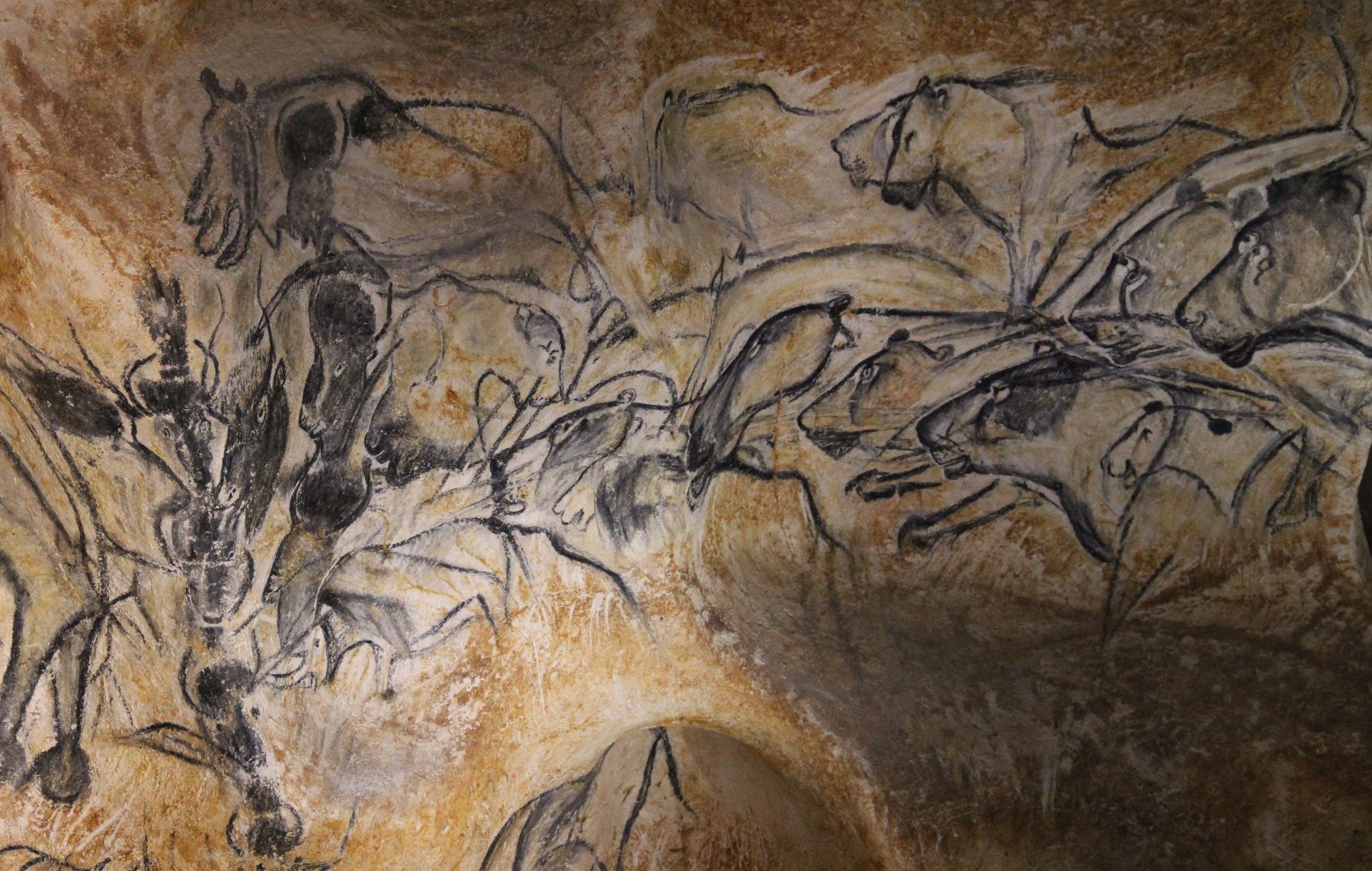
Chauvet Cave Animal Panel, France
2026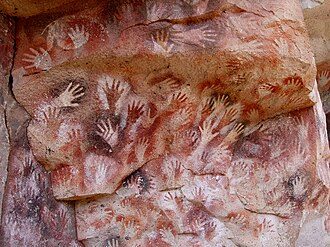
Cueva de las Manos, Argentina
2026Immersive Experience
Walk through this gallery in 3D
Step inside a virtual gallery space. Walk up to each artwork. See them as they were meant to be seen.
React to this gallery
Guestbook
Sign in to leave a comment.
Loading…