Who Gets to Be Seen? Identity and Representation in Contemporary Art

This exhibition explores how contemporary artists challenge traditional systems of portraiture and representation by questioning who is visible, who is obscured, and who has historically been excluded from being fully seen. Through works addressing race, gender, colonialism, and bodily identity, the exhibition examines how identity is constructed, challenged, reclaimed, and embodied through art.
6 artworks 3 views Walk Through in 3D

Artworks

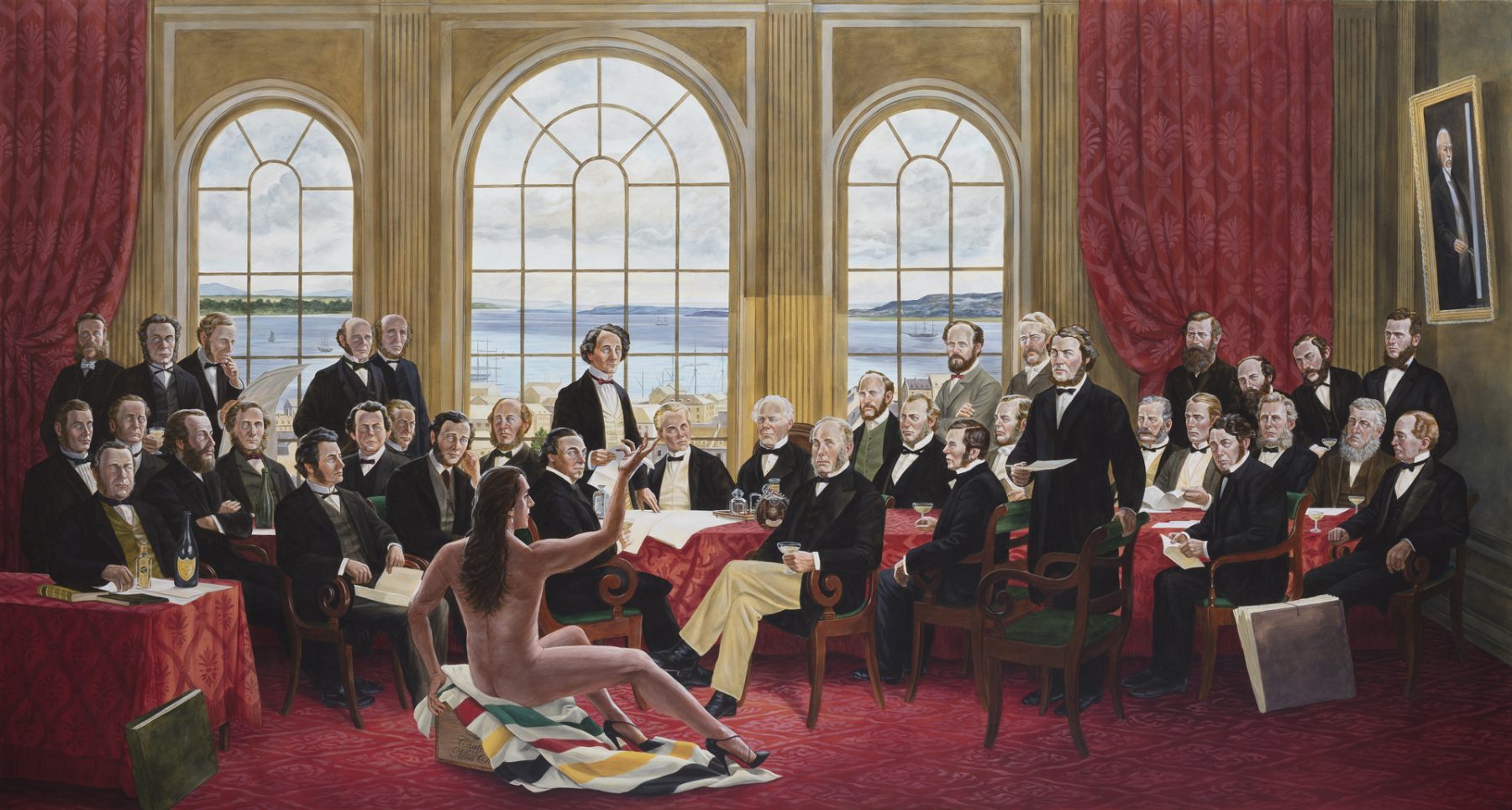
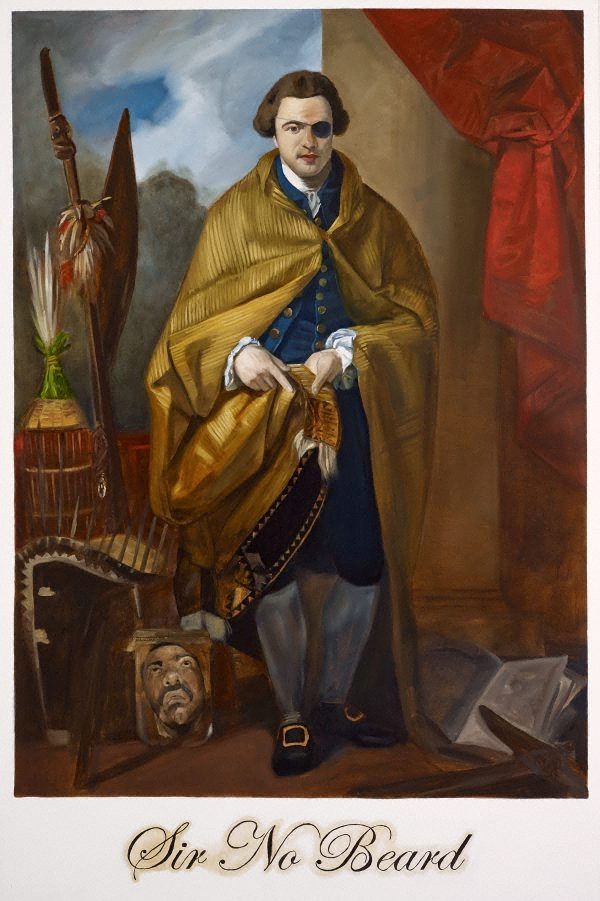
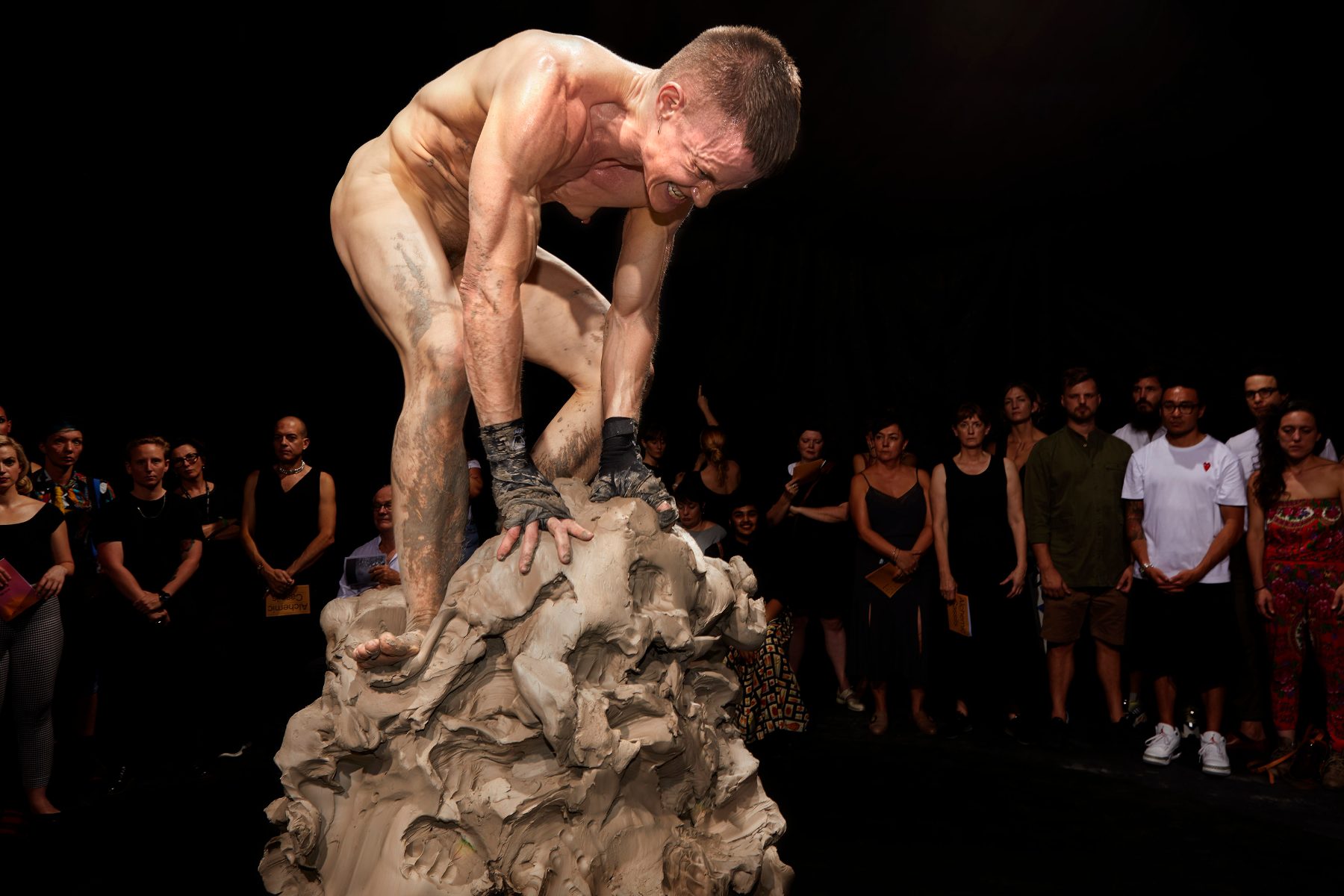
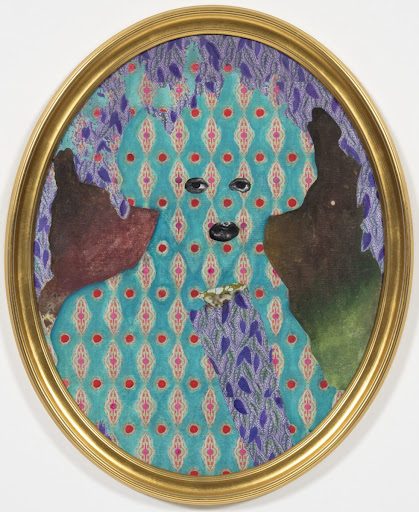
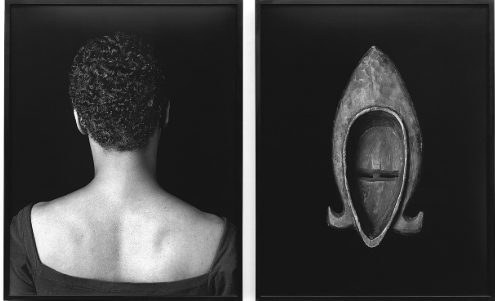
  • Who Gets to Be Seen? Identity and Representation in Contemporary Art (2026) — Traditional portraiture has often been used as a tool of power, shaping how individuals are remembered, represented, and understood. Historically, portraiture privileged those in positions of authority while excluding or misrepresenting marginalized identities. This exhibition, Who Gets to Be Seen? Identity and Representation in Contemporary Art explores how contemporary artists challenge those traditional systems of representation by questioning visibility, identity, race, gender, and historical power structures. Rather than presenting identity as something fixed or easily defined, these works suggest that identity can be fragmented, obscured, reclaimed, or embodied in ways that resist simple interpretation. Art historian John Berger famously wrote, “Men act, and women appear. Men look at women. Women watch themselves being looked at” (Berger, 1972), highlighting how representation is often shaped by power and who controls the gaze. This idea extends beyond gender to broader systems of race, colonialism, and cultural visibility. The artists in this exhibition challenge those expectations by refusing traditional portrait conventions and instead asking viewers to reconsider how identity is constructed and perceived. The exhibition begins with David Shrobe’s Shaded by Trees (2020), which introduces portraiture in a fragmented and unstable form. The figure is partially obscured through patterned fabric, preventing a straightforward reading of identity while still suggesting race, presence, and individuality. This opening work asks viewers to confront how quickly assumptions are made when viewing portraits. Lorna Simpson’s Flipside (1991) continues this uncertainty by presenting only partial views of the human figure. Simpson intentionally withholds clear identification, challenging the expectation that identity should be immediately visible or easily categorized. Her work critiques traditional portraiture’s claim to reveal truth about a subject. Kent Monkman’s The Daddies further expands this critique by rewriting historical art traditions through Indigenous and queer perspectives. Monkman subverts Western academic painting conventions, inserting identities that were historically excluded or marginalized. His work exposes how historical representation often reflected the values of dominant cultures rather than diverse lived realities. Daniel Boyd’s Sir No Beard shifts the conversation toward colonial representation. By reinterpreting historical portraiture, Boyd critiques the ways Indigenous identities were filtered through colonial European perspectives. His work challenges inherited visual narratives and reclaims representation from systems that historically distorted Indigenous identity. The exhibition concludes with Heather Cassils’ Becoming an Image (2013), where identity moves beyond static portraiture entirely. Through performance, bodily presence, and transformation, Cassils presents identity as active, physical, and continuously constructed. Rather than simply being viewed, identity becomes an event shaped by action, force, and embodiment. Together, these works create a progression from fragmented visibility to embodied presence. They demonstrate that representation is never neutral; it reflects cultural power, social expectations, and historical systems of inclusion and exclusion. Who Gets to Be Seen? invites viewers to reconsider not only how identity is represented in art, but also who has historically been given the power to be fully seen.
  • David Shrobe — Shaded by Trees, 2020 (2020) — Acrylic, ink, and African print fabric on canvas in gold leaf wood frame behind glass. In the painting Shaded by Trees, David Shrobe presents a portrait that at once reveals and conceals the figure. This work replaces skin and facial structure with an enveloping patterned African fabric that might be likened to a striped representation of the body, except only the eyes, mouth, and almost suspended in animation are revealed, creating immediacy while withholding full recognition. This elaborate oval frame relays conventions of historical portraiture; however, Shrobe subverts expectations using this device by making identity ambiguous and anonymous. It compels the viewer to consider how quickly we reach for assumptions of race, identity, and personhood based on limited visual information. African textile as a cultural signifier subverts traditional Western portraiture. Shaded by Trees is presented first in the exhibition and introduces a key theme: Who gets to be seen, how are identities developed visually, if at all.
  • Lorna Simpson — Flipside (1991) (1991) — Gelatin silver prints and engraved plastic plaque, diptych. The archaic assumption that portraiture should unveil identity is countered by Lorna Simpson's Flipside. Simpson's slightly obscured and incomplete depiction of the human figure here does not present a definitive face but withholds it from full recognition. By doing this, an ambivalence is created as it undermines the assumption that identity can be discerned through looks alone. While the black-and-white photographic format gives a documentary feel to some of this work, it is incomplete information; there is no easy reading of the subject. The work of Simpson also opens a Pandora's box around race: gender in particular, and how we are subjected to identity, which is often assigned through the eyes with biased data. In this exhibition, Flipside extends the dialogue initiated by David Shrobe to confuse identity even more. Identity is never being obscured, and not just further fragmentation visibility but reinforces the belief that representation has no neutrality; what goes unseen can speak just as loudly (if not even louder) than a pictorial display.
  • Kent Monkman — The Daddies (2016) (2016) — Acrylic on canvas. Kent Monkman, The Daddies, inserts an Indigenous queer identity into the neo-classical visual space of Western European art that would have excluded both. The composition is influenced by Western academic portrait and history painting, which often reiterated colonial power as well. So Monkman explicitly inverts those conventions by positioning Indigenous presence at the center of its narratives, not on their peripheries. In the divine dichotomy of formal authority versus a more vulnerable human presence in the foreground, we are confronted with re-evaluating who has actually been afforded (historically) power, visibility and dominion, within our art history. Monkman critiques colonial modes of representation and reclaims space for identities that have been hidden, denied, or erased. In this way, The Daddies itself marks a move away from erasure to reclamation, demonstrating that representation can be wielded as both weapon and shield against long-dominant historical narratives.
  • Daniel Boyd — Sir No Beard(2005) (2005) — Oil, archival glue, and aluminum on canvas. Sir No Beard, by Daniel Boyd, reframes historical portraiture to subvert colonial regimes of representation and the imposition of Indigenous identity filtered through a European lens. While referencing traditional portrait conventions like formal pose and dress, as well as status symbolism, the work inevitably subverts those expectations through a critical contemporary lens of study. Boyd addresses the portrayal by colonial artists of Indigenous peoples as outsiders, both literally and politically; this kind of representation presents a historically skewed public understanding that rarely allows for any true self-definition. Boyd reclaims portraiture as a site of critique, revealing that art has long served to establish and perpetuate systems of power and cultural misrepresentation. In this exhibition, Sir No Beard represents a shift from an identity that is rendered invisible or hidden to one actively confronting and correcting mistaken historical narratives. The work shows that representation is not just about having bodies on screen but who tells the story.
  • Heather Cassils — Becoming an Image (2013) (2013) — Performance art / photographic documentation. Heather Cassils' Becoming an Image challenges identity-as-representation by inserting physical performance and bodily change to counter a static portrait. Here, identity becomes not a visual icon of something seen but an active process worked through movement and (I would say) endurancy forces. Cassils utilizes the body as both object and subject, challenging standard interpretations of how we perform identity. The lighting is so cinematic, and the physicality exposed that presence, vulnerability, and strength are acknowledged in a kind of spectacular performance, reminding the viewer that identity (not just one axis but all axes) is lived. The American Transgender artist, Cassils, challenges the aesthetics of gender and visual presence in their work. Becoming an Image: Changing Inside and Then Outside. Within this exhibition, Becoming an Image is the final step. Furthering the idea of fragmented and obscured identity, Moving Toward Full Embodiment. The portraiture is crawling with questions of who gets to be there, and instead this work asks us to see identity not just through its representation but the body in motion: In what it can do, become, a skin on glass witnessing.
Who Gets to Be Seen? Identity and Representation in Contemporary Art

Who Gets to Be Seen? Identity and Representation in Contemporary Art

2026
David Shrobe — Shaded by Trees, 2020

David Shrobe — Shaded by Trees, 2020

2020
Lorna Simpson — Flipside (1991)

Lorna Simpson — Flipside (1991)

1991
Kent Monkman — The Daddies (2016)

Kent Monkman — The Daddies (2016)

2016
Daniel Boyd — Sir No Beard(2005)

Daniel Boyd — Sir No Beard(2005)

2005
Heather Cassils — Becoming an Image (2013)

Heather Cassils — Becoming an Image (2013)

2013

Immersive Experience

Walk through this gallery in 3D

Step inside a virtual gallery space. Walk up to each artwork. See them as they were meant to be seen.

Experience in 3D

React to this gallery

Guestbook

Sign in to leave a comment.

Loading…