

Heritage Across Borders: Mexico & Colombia traduce
Artworks
- Marimonda Carnival Mask (2026) — History: Created as a humorous way to mock the upper class and express social satire. Origin: Early 20th century. Use: Worn during the Barranquilla Carnival in parades and street dances.
- The Sombrero Vueltiao (2026) — History: Created by the Zenú people as protection from the tropical sun and as a symbol of identity. Origin: Pre-Columbian era (before the 16th century). Use: Traditionally worn in daily life; today used in festivals like the Barranquilla Carnival and cultural events.
- The Alegre Drum (2026) — History: The alegre drum is part of Colombia’s Afro-Caribbean musical tradition. It plays a leading role in rhythms like cumbia and mapalé, guiding the melody with improvised patterns. Origin: Colonial period (influenced by African musical traditions). Use: Used in traditional music and dances, especially during cultural events and the Barranquilla Carnival.
- Mote de Queso Soup (2026) — History: Mote de queso is a traditional dish from Colombia’s Caribbean region, especially popular in Córdoba. It combines indigenous ingredients like yam with Spanish influences such as cheese, creating a rich and creamy soup. Approximate Date of Origin: Colonial period, with roots in pre-Columbian indigenous cuisine. Main Ingredients: Yam (ñame), coastal cheese (queso costeño), onion, garlic, and lemon juice. When It Is Used: It is commonly eaten as a daily meal, but also during family gatherings, cultural events, and traditional celebrations in the Caribbean region.
- Guandú Soup (2026) — History: This soup is a traditional Caribbean dish made with pigeon peas (guandú), often combined with coconut milk. It reflects African, indigenous, and Spanish influences in Colombian cuisine. Approximate Date of Origin: Colonial period, influenced by African culinary traditions. Main Ingredients: Pigeon peas (guandú), coconut milk, rice, pork or beef, onion, garlic, and spices. When It Is Used: It is especially popular during festive seasons, particularly at the end of the year, and is widely enjoyed in coastal cities like Barranquilla.
- Chilaquiles Verdes (2026) — History: Chilaquiles are a traditional Mexican dish with roots in indigenous cuisine, later influenced by Spanish ingredients. They were created as a way to reuse leftover tortillas. Approximate Date of Origin: Pre-Columbian origins, adapted during the colonial period. Main Ingredients: Tortilla chips (totopos), green sauce (tomatillo), cream, cheese, onion, and sometimes chicken or eggs. When It Is Used: Commonly eaten as a breakfast or brunch dish, especially in Mexican households and during family gatherings.
- The Two Fridas (2026) — Painting about identity and emotions.
- Aztec Sun Stone (2026) — symbol of time and the universe
- Codex Mendoza (2026) — Record of Aztec life and economy
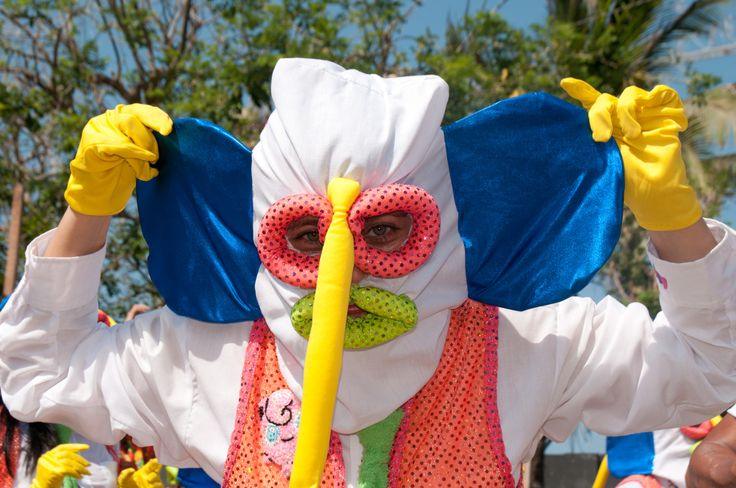
Marimonda Carnival Mask
2026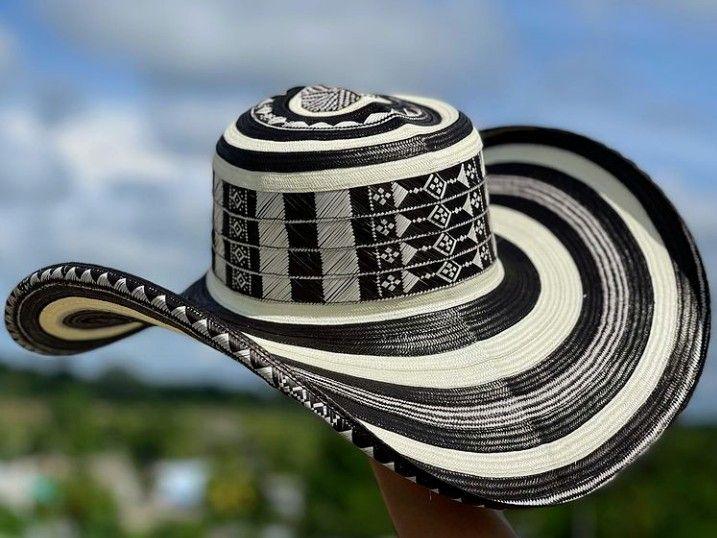
The Sombrero Vueltiao
2026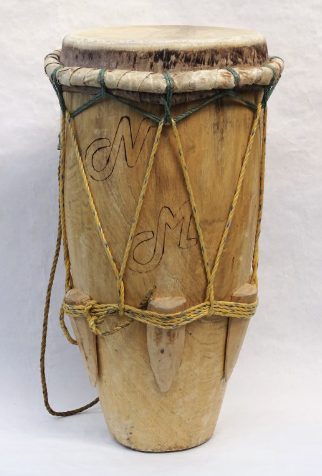
The Alegre Drum
2026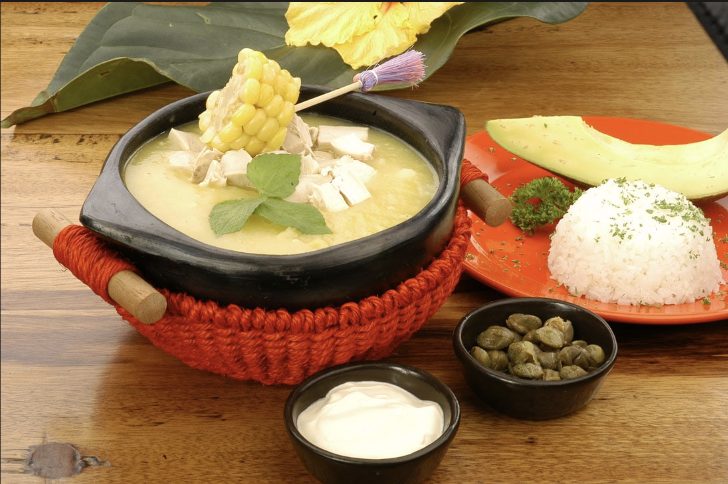
Mote de Queso Soup
2026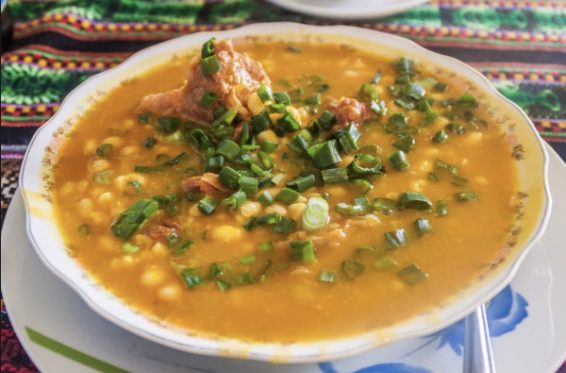
Guandú Soup
2026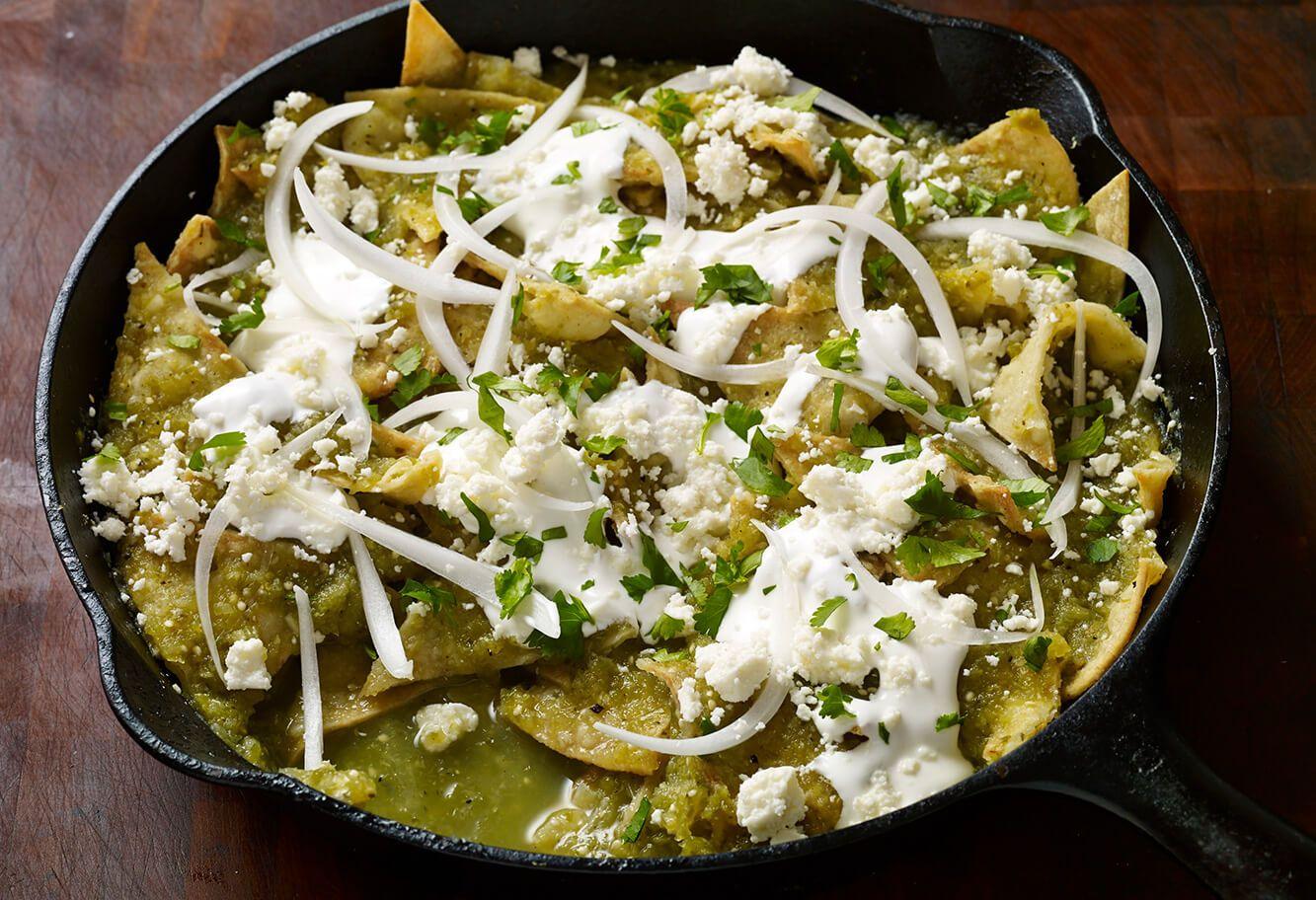
Chilaquiles Verdes
2026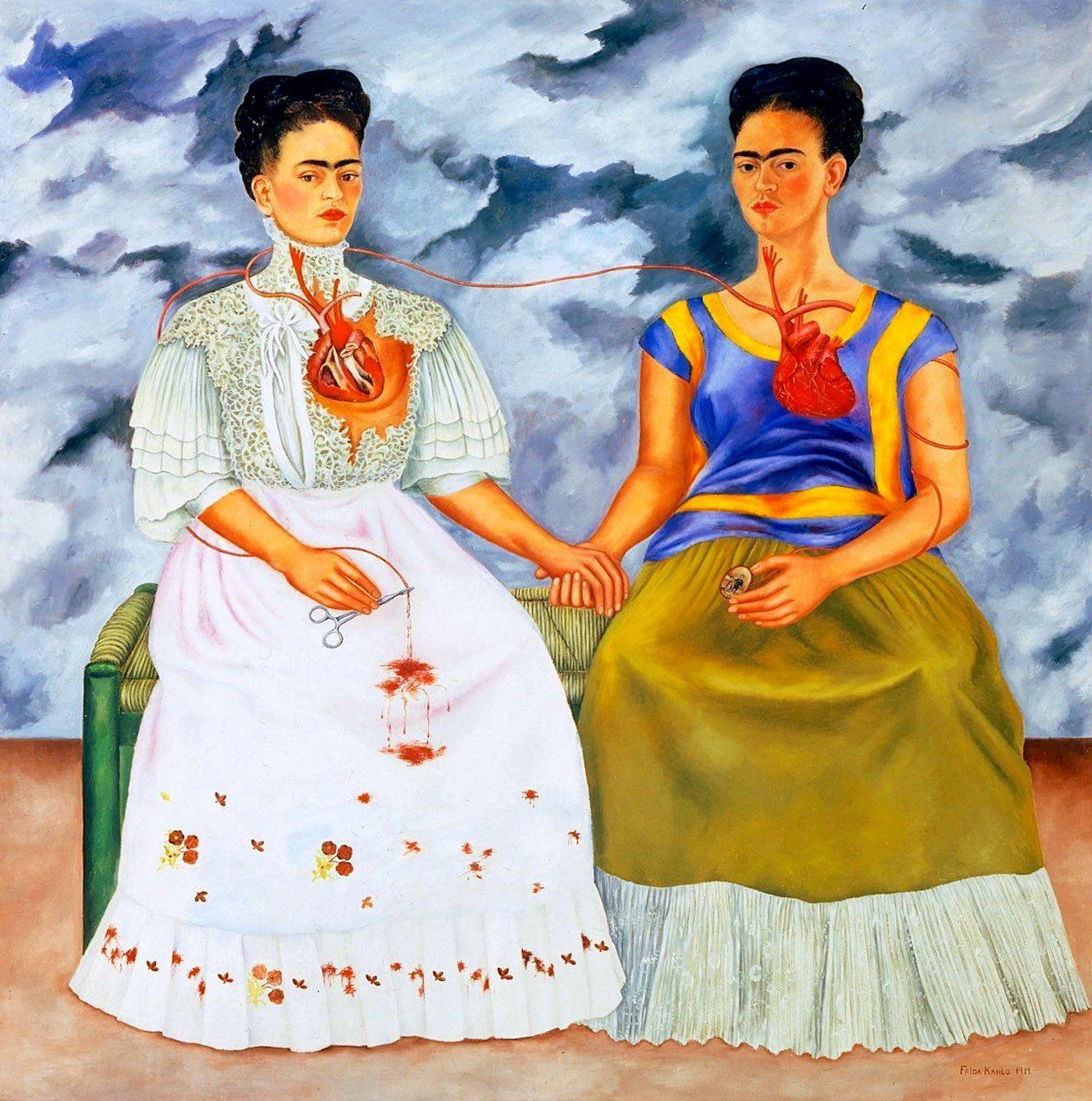
The Two Fridas
2026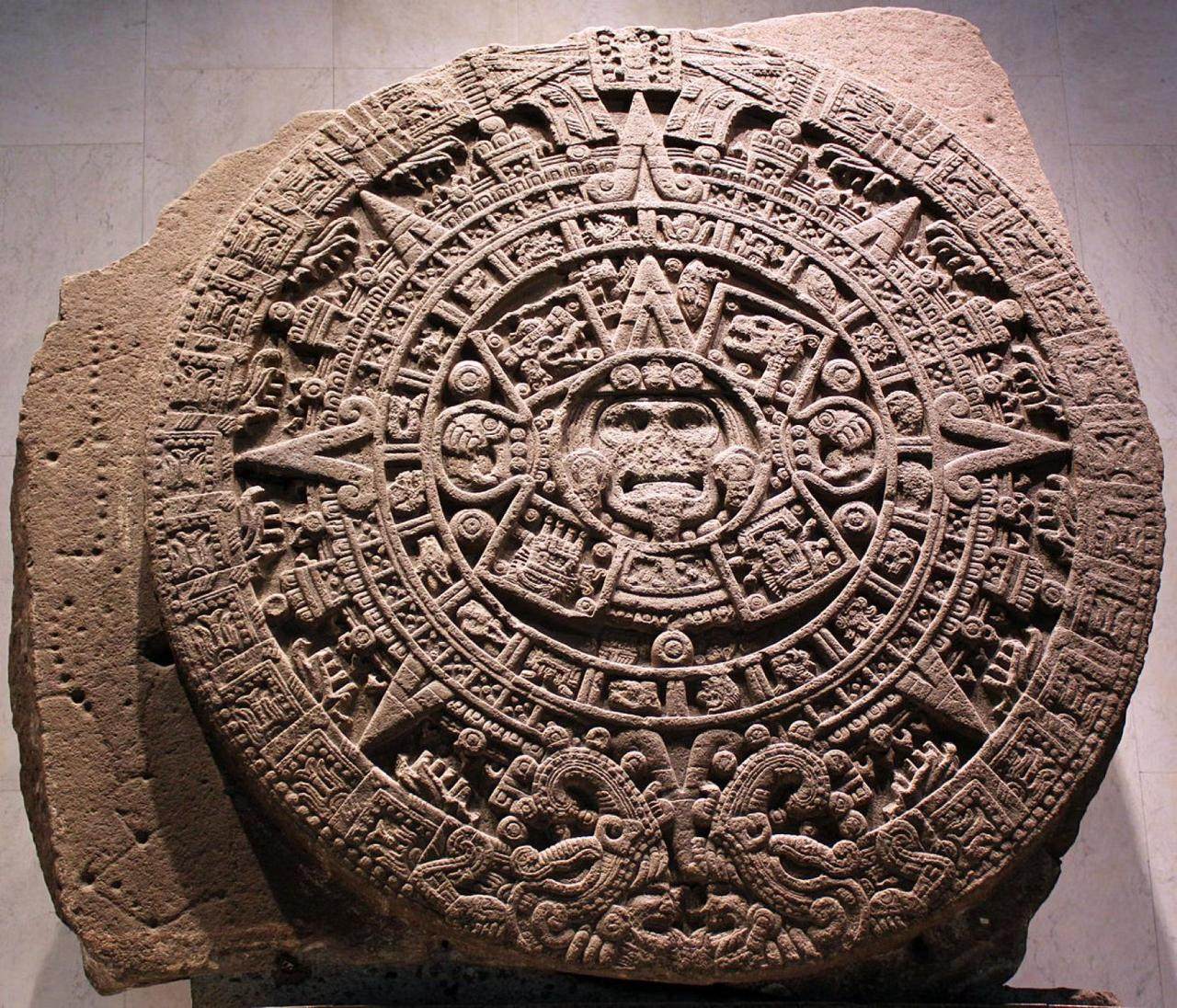
Aztec Sun Stone
2026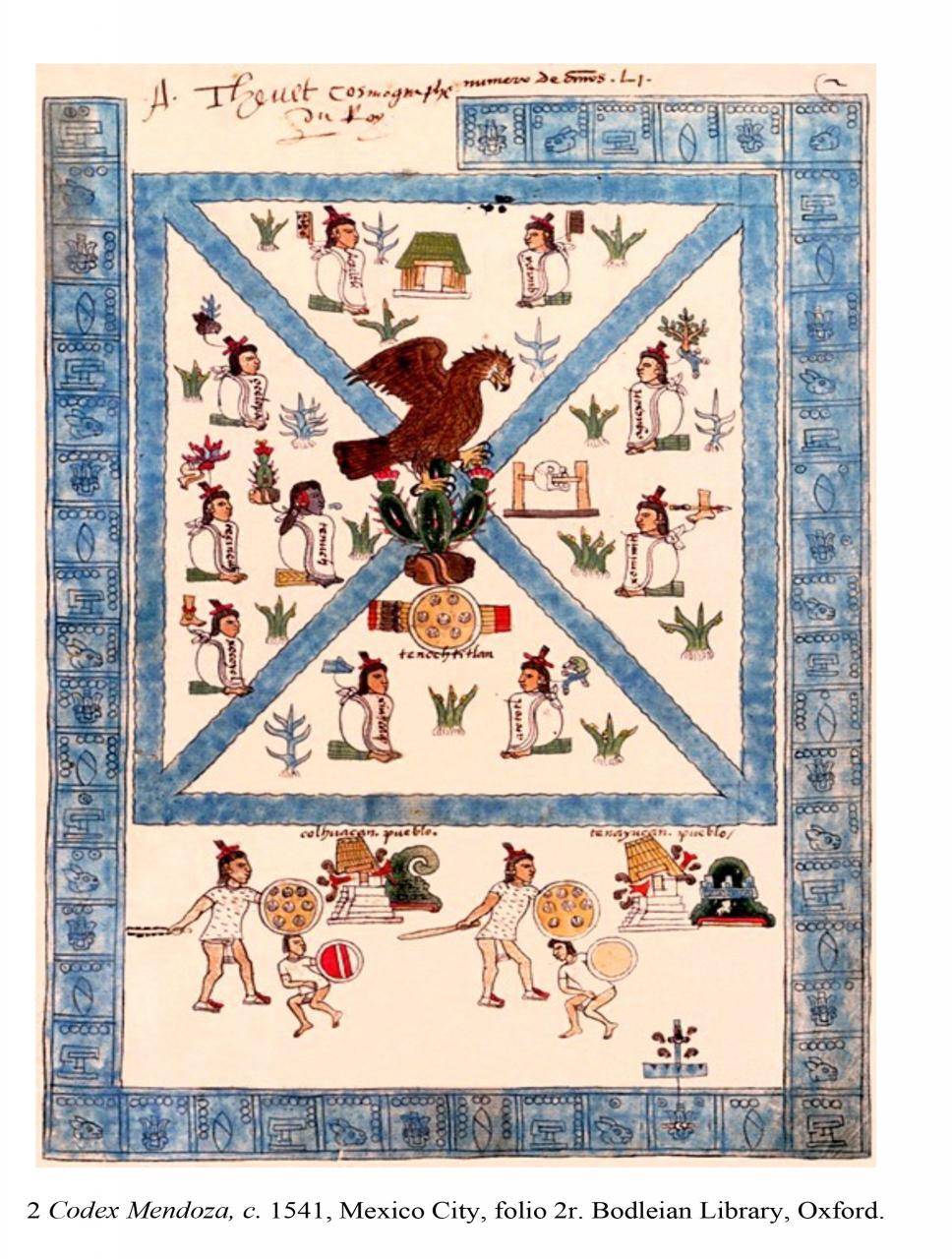
Codex Mendoza
2026Immersive Experience
Walk through this gallery in 3D
Step inside a virtual gallery space. Walk up to each artwork. See them as they were meant to be seen.
React to this gallery
Guestbook
Sign in to leave a comment.
Loading…