

Life Givers: Celebrating Motherhood in Art
Artworks
- blob (2026) — Motherhood has long been represented in many African artistic traditions as a powerful symbol of life, protection, and cultural continuity. However, the African continent is home to many different societies and cultures, each with its own beliefs and artistic practices. The exhibition “Life Givers: Celebrating Motherhood in Art” explores how artists from specific African cultures depict mothers as nurturers, protectors, and guides for future generations. Through sculptures from Yoruba, Afo, and Kongo cultures, as well as a contemporary work by Andrea Chung, the exhibition highlights how motherhood is connected to fertility, family lineage, and the preservation of cultural traditions. Art historian Herbert M. Cole explains that “images of mothers and children are among the most powerful symbols of fertility, nurturing, and the continuation of community life in African societies.” This idea helps explain why maternity figures appear frequently in the artistic traditions of many African cultures. These sculptures represent more than the relationship between a mother and child. They symbolize the continuation of family lineage and the transmission of knowledge, values, and cultural identity across generations. The exhibition begins with a Yoruba maternity figure from Nigeria, which introduces the theme of motherhood as both a social and spiritual responsibility. The exhibition then moves to an Afo maternity group figure that expands the theme by presenting a mother surrounded by children. Next, a Kongo mother-and-child sculpture symbolizes authority and lineage in Central African cultures. The Kongo grave stele adds another dimension by connecting motherhood with ancestral remembrance. The exhibition concludes with Andrea Chung’s contemporary collage, which brings the theme of motherhood into the modern era and celebrates the strength of women across generations.
- Maternity Figure (Mother and Child) Artist/Culture: Yoruba peoples, Nigeria Year: 19th–20th century Medium: Wood (2026) — This Yoruba maternity figure strongly represents the theme of Motherhood as Continuity, as it visually emphasizes the nurturing, protective relationship between a mother and her child. The sculpture depicts a seated mother holding a child across her lap while another small figure stands beside her. The mother's upright posture and calm facial expression give the figure a sense of dignity and authority. The emphasis on the mother’s body, particularly the chest and head, highlights the importance of fertility, wisdom, and care in Yoruba culture. The artist uses symmetry, simplified forms, and balanced composition to focus attention on the relationship between the figures. The child resting across the mother’s lap suggests protection and closeness, reinforcing the idea that mothers are responsible for nurturing and guiding the next generation. In Yoruba society, children are considered blessings, and motherhood is closely connected to spiritual beliefs and community values. This sculpture fits perfectly within the exhibition “Life Givers: Celebrating Motherhood in Art” because it demonstrates how motherhood ensures the continuation of both family lineage and cultural traditions. The figure does not only represent a biological mother but also symbolizes the broader cultural role of women as caretakers, teachers, and protectors of future generations. Through its calm presence and strong symbolic meaning, the sculpture communicates the enduring importance of motherhood in sustaining life and community.
- Maternity Group Figure Artist/Culture: Afo peoples, Nigeria Year: 19th century Medium: Wood (2026) — This Afo maternity group figure strongly reflects the exhibition theme “Life Givers: Celebrating Motherhood in Art.” The sculpture portrays a mother surrounded by children, emphasizing the nurturing and protective role of motherhood. The exaggerated proportions and large head draw attention to the mother as the central figure, symbolizing wisdom, strength, and authority. The presence of multiple children highlights fertility and the continuation of family lineage. In Afo culture, such figures were associated with ancestral mothers and were used in ceremonies that honored fertility and community prosperity. The sculpture, therefore, represents not only the biological act of giving birth but also the broader responsibility of mothers to raise and guide the next generation. Within the exhibition, this artwork illustrates how motherhood is connected to both spiritual beliefs and social stability. The mother serves as a bridge between past ancestors and future generations, ensuring that cultural traditions and values continue. By depicting the close relationship between the mother and her children, the sculpture reinforces the idea that motherhood plays a central role in sustaining
- Mother and Child Figure Artist/Culture: Kongo peoples, Central Africa Year: 19th century Medium: Wood (2026) — This Kongo mother and child sculpture strongly reflects the theme “Life Givers: Celebrating Motherhood in Art.” The artist emphasizes the bond between mother and child through the figures' central placement and the calm, balanced composition. The mother’s upright posture and enlarged head convey authority and wisdom, highlighting the importance of motherhood in Kongo society. The child positioned close to the mother symbolizes protection, nurturing, and the continuation of family lineage. In Kongo culture, motherhood was not only a biological role but also a social and spiritual responsibility, ensuring the survival of the community. Within the exhibition, this artwork demonstrates how motherhood functions as a bridge between generations, preserving cultural identity and community traditions over time.
- Grave Stele with Mother and Child Artist/Culture: Musurongo group, Kongo peoples, Angola Year: 19th century Medium: Steatite (2026) — This grave stele strongly reflects the exhibition theme “Life Givers: Celebrating Motherhood in Art.” The sculpture emphasizes the importance of motherhood by presenting the mother as a dignified and central figure. The child resting on her lap symbolizes the continuation of family lineage and the passing of life from one generation to the next. The large head and calm expression convey wisdom and authority, qualities that highlight the respected role of mothers in Kongo society. Because the sculpture was used as a grave marker, it also connects motherhood with ancestral memory and the honoring of past generations. Within the exhibition, this artwork reinforces the idea that motherhood is not only about giving birth but also about maintaining family identity and cultural continuity. The stele shows how mothers were remembered and honored for their role in nurturing children and sustaining the future of the community.
- image 3Sula Never Competed; She Simply Helped Others Define Themselves Artist/Culture: Andrea Chung Year: 2021 Medium: Collage, gold ink, pins, beads on handmade paper (2026) — Andrea Chung’s collage powerfully connects history, motherhood, and cultural identity. Through The combination of archival photographs, tropical foliage, and handmade materials, the artist to transform images that were originally taken through a colonial gaze into symbols of strength and resilience. The placement of the women among vibrant flowers suggests growth, fertility, and life, reinforcing the importance of women as caregivers and sustainers of community. The The use of beads and shells, referencing Yoruba spiritual traditions, adds another layer of protection and cultural memory, linking the artwork to African heritage and spiritual beliefs about motherhood and fertility. This artwork strongly fits the exhibition theme “Life Givers: Celebrating Motherhood in Art.” While many traditional African sculptures represent motherhood through physical depictions of mothers holding children, Chung’s contemporary collage expands this idea by focusing on relationships between women across generations. The use of paper made from cloth associated with childbirth further emphasizes the labor and care involved in motherhood. By combining historical imagery with symbolic materials and natural elements, Chung highlights the enduring importance of women’s roles in nurturing life and preserving cultural identity. The artwork successfully bridges historical and contemporary perspectives on motherhood, making it an important piece within the exhibition.
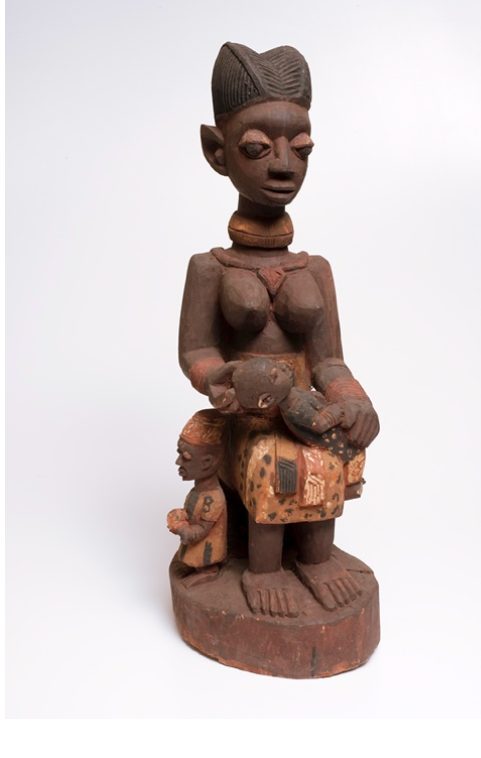
Maternity Figure (Mother and Child) Artist/Culture: Yoruba peoples, Nigeria Year: 19th–20th century Medium: Wood
2026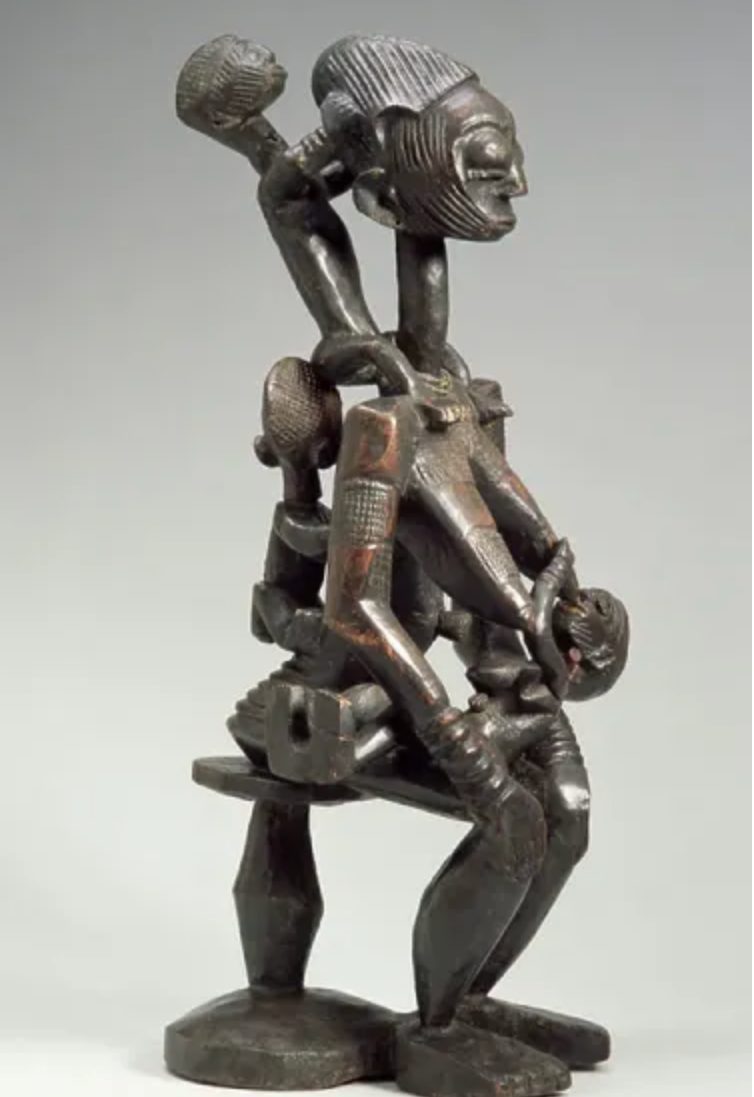
Maternity Group Figure Artist/Culture: Afo peoples, Nigeria Year: 19th century Medium: Wood
2026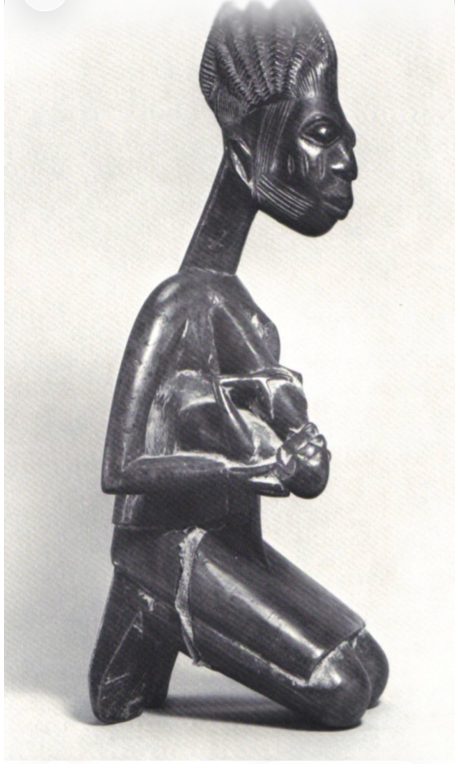
Mother and Child Figure Artist/Culture: Kongo peoples, Central Africa Year: 19th century Medium: Wood
2026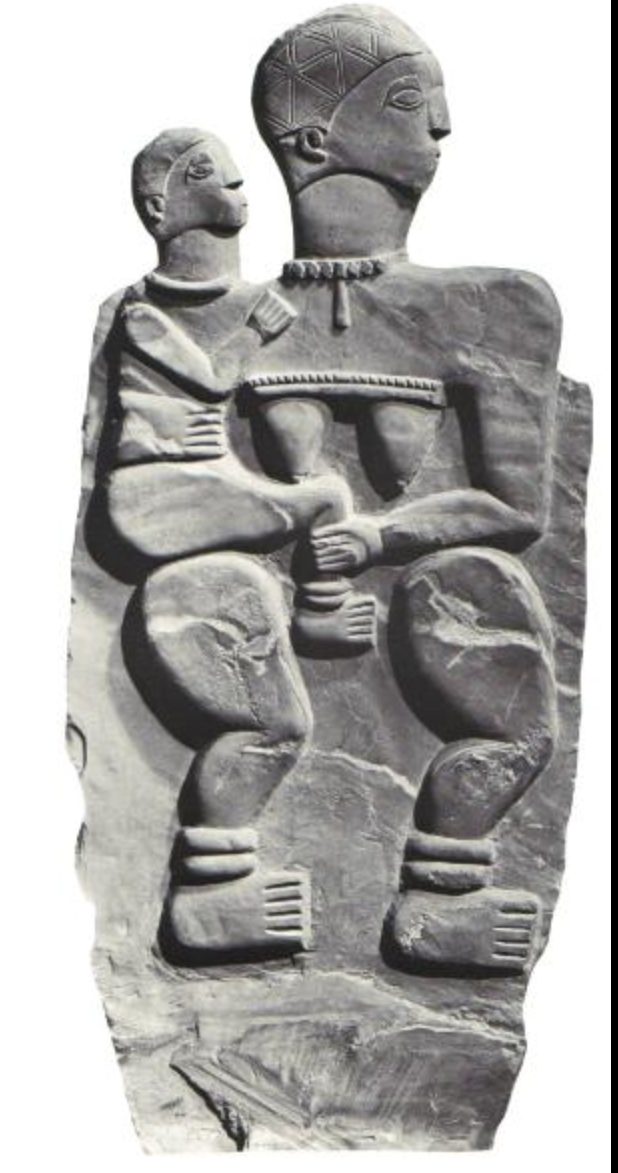
Grave Stele with Mother and Child Artist/Culture: Musurongo group, Kongo peoples, Angola Year: 19th century Medium: Steatite
2026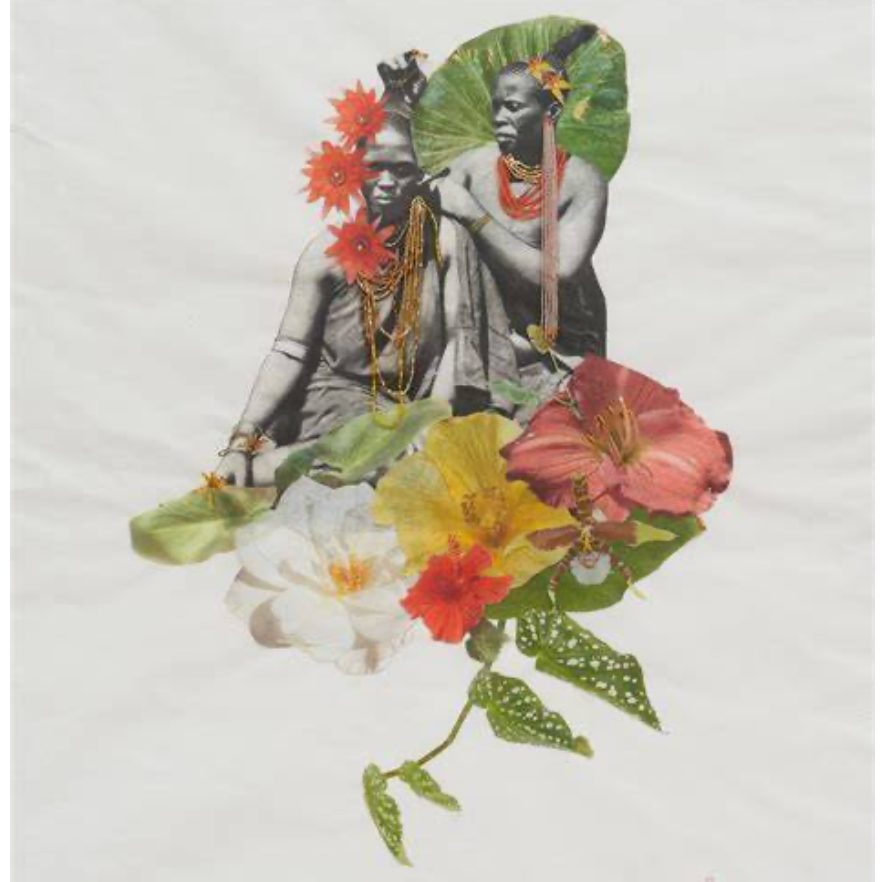
Immersive Experience
Walk through this gallery in 3D
Step inside a virtual gallery space. Walk up to each artwork. See them as they were meant to be seen.
React to this gallery
Guestbook
Sign in to leave a comment.
Loading…