Bodies in Ritual

6 artworks 32 views Walk Through in 3D

Artworks

  • Copy of TEMPLATE ARTH124 (2026)
  • Venus of Willendorf (2026) — Artist: Unknown Year: 28,000-25,000 BCE Medium: Oolitic limestone Judgment: The Venus of Willendorf is essential to this exhibition because it demonstrates the earliest known use of the human body as a symbolic form tied to ritual meaning. Its exaggerated breasts, stomach, and hips reflect Paleolithic concerns with fertility, nourishment, and survival. The figurine’s small scale and intimate handling suggest it functioned as a personal ritual object, possibly carried or used in repeated ceremonies. In context, it belongs to a widespread prehistoric tradition of female figurines that emphasized reproductive power rather than individual identity. The lack of facial features reinforces this symbolic purpose, shifting attention away from portraiture and toward the universal body as a site of meaning. As the opening piece, it establishes the exhibition’s central theme of prehistoric cultures using the human form not to depict individuals, but to express shared beliefs, hopes, and values. Its presence sets the foundation for understanding how later artworks continue, expand, or transform this symbolic use of the body.
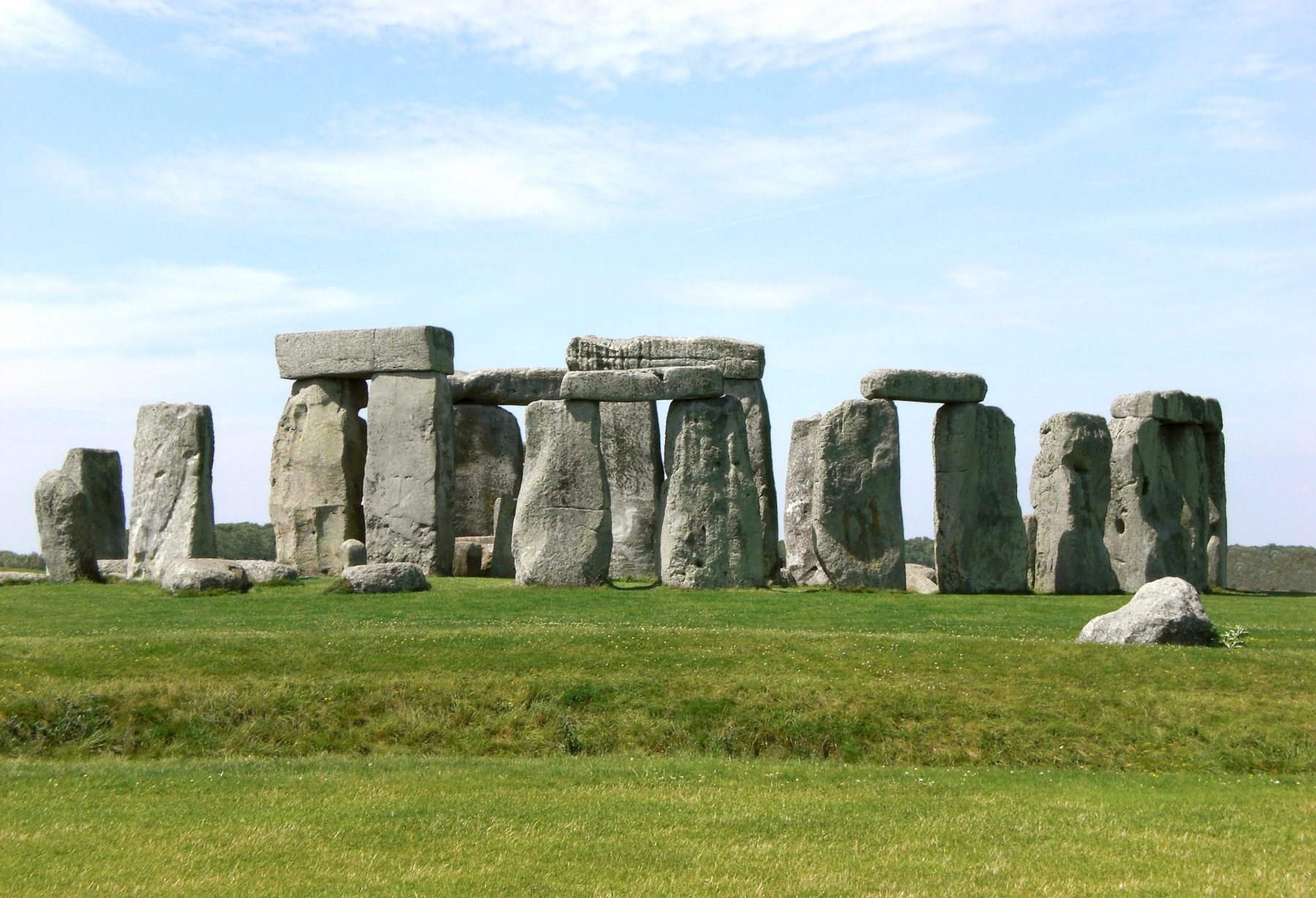
  • Stonehenge (2026) — Artist: Unknown Year: 3000-1500 BCE Medium: Stone Judgment: Stonehenge deepens the exhibition’s exploration of the body by expanding the scale of ritual expression from a small figurine to a monumental communal structure. Its massive stones, arranged in concentric circles and aligned with solstices, reflect a sophisticated understanding of astronomy and seasonal cycles. The visual emphasis on repetition, alignment, and monumental scale shows how prehistoric societies used architecture to embody shared beliefs. In context, Stonehenge functioned as a ceremonial gathering place, burial site, and astronomical marker, requiring coordinated labor from large groups. This collective effort transforms the idea of the body from an individual symbol to the body of the community, or of people working together to create a sacred space. Stonehenge belongs in the exhibition because it demonstrates how bodily symbolism evolved into landscape-scale ritual architecture. It supports the theme by showing that prehistoric cultures used form, space, and alignment to express identity, cosmology, and communal memory.
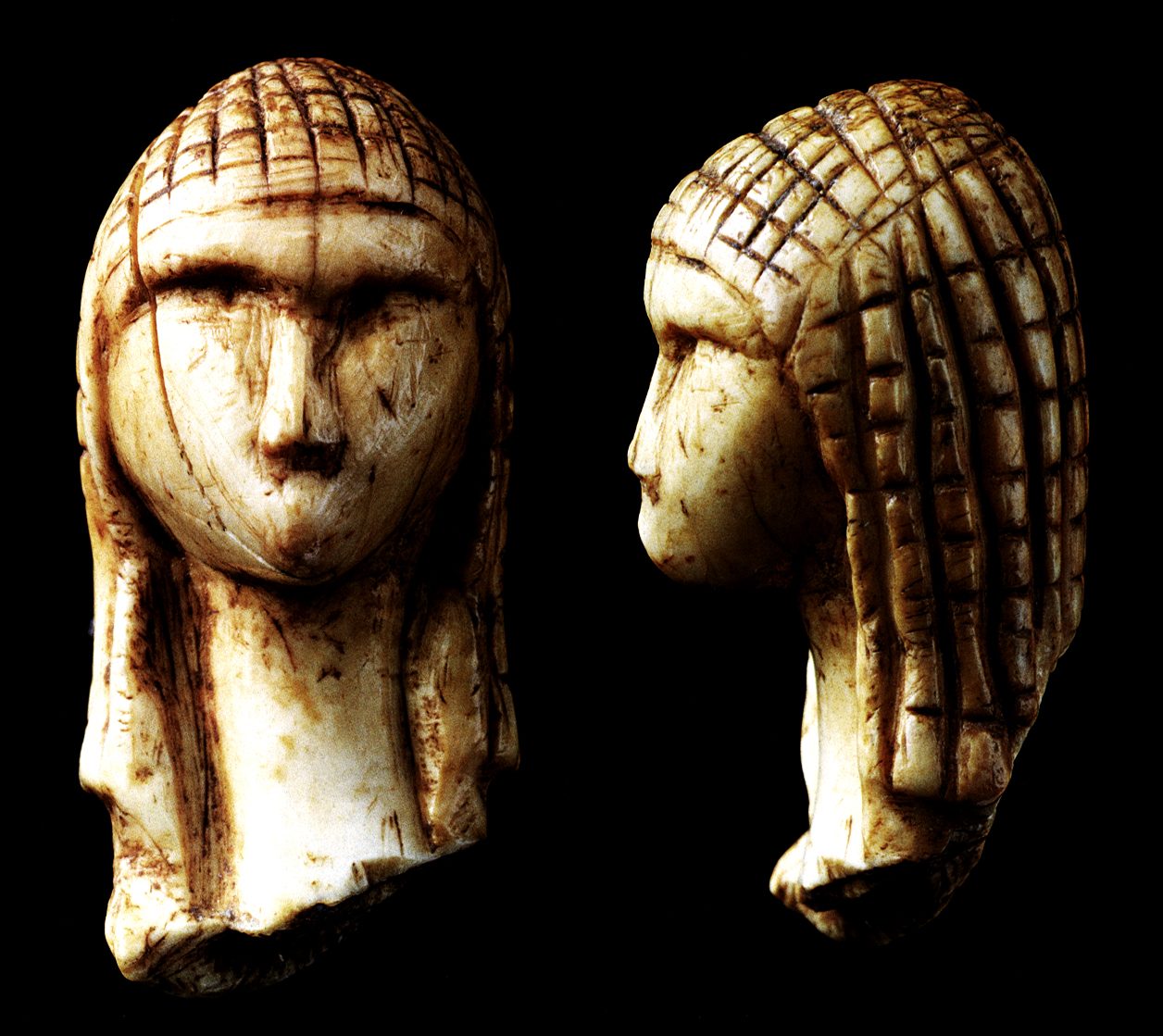
  • The Woman of Brassempouy (2026) — Artist: Unknown Year: 23,000-25,000 BCE Medium: Mammoth tusk ivory Judgment: The Woman of Brassempouy adds an important shift in the exhibition by introducing one of the earliest attempts to represent the human face. Its smooth facial surface, delicate nose, and patterned hair contrast with the abstracted features of earlier figurines, showing a growing interest in identity and symbolic presence. The absence of carved eyes or a mouth suggests that the figure was not meant to portray a specific person but to represent the idea of personhood itself. In context, this carving marks a significant development in prehistoric art, reflecting increased attention to individuality, memory, or social identity. It belongs in the exhibition because it bridges the symbolic fertility body of the Venus with the more structured, stylized bodies of later cultures. The figurine supports the theme by demonstrating how prehistoric societies used the human form, now through the face, to explore new dimensions of meaning, shifting from survival-based symbolism to more nuanced expressions of identity and presence.
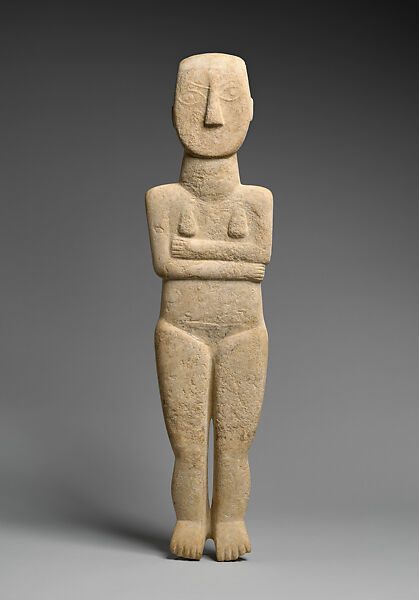
  • Cycladic Figurine (2026) — Artist: Unknown Year: 3200-2000 BCE Medium: Marble Judgment: The Cycladic Figurine strengthens the exhibition by showing how bodily representation became more stylized, formalized, and culturally specific as prehistoric societies developed. Its smooth marble surface, geometric proportions, and folded-arm posture reflect a deliberate aesthetic system that values clarity, symmetry, and ritual formality. The simplified features and balanced composition suggest symbolic meaning rather than portraiture, aligning with its use in graves and ritual contexts. In context, these figurines reflect the spiritual and social values of early Aegean communities, where the human body served as a central symbol in funerary and ceremonial practices. This artwork belongs in the exhibition because it demonstrates a clear evolution from earlier figurines. The body is still symbolic, but now expressed through a refined visual language shaped by cultural norms. It supports the theme by showing how prehistoric societies continued to use the human form to express belief and identity, but with increasing abstraction and artistic sophistication.
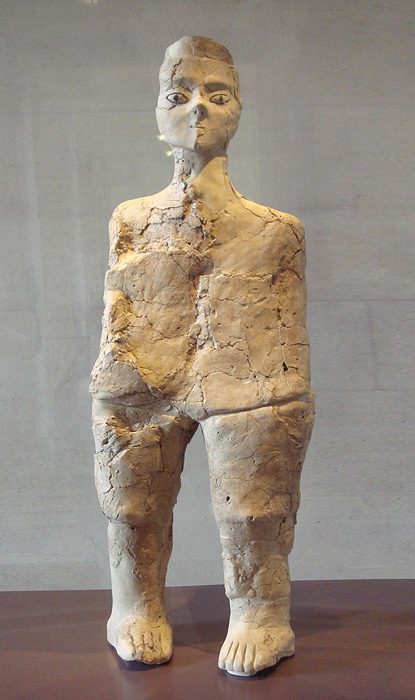
  • Ain Ghazal Statues (2026) — Artist: Unknown Year: 7200-6250 BC Medium: Plaster, reeds Judgment: The Ain Ghazal statues conclude the exhibition because they represent a major transformation in how prehistoric societies used the human form to express collective identity and ritual meaning. Their life-sized scale, elongated bodies, and large, watchful eyes create a powerful ceremonial presence that differs dramatically from the intimate carvings seen earlier. The fragile plaster material, reed cores, and careful burial context indicate that these figures played a role in ancestor worship or communal ceremonies. In context, they come from one of the earliest settled farming communities, reflecting a shift toward more complex social structures and shared ritual practices. These statues belong in the exhibition because they show how the symbolic body evolved from small personal objects to monumental figures representing entire communities. They support the theme by demonstrating how prehistoric cultures used the human form literally or symbolically to embody shared beliefs, reinforce social bonds, and preserve collective memory. Their placement at the end highlights the progression from individual symbolism to communal identity.
Copy of TEMPLATE ARTH124

Copy of TEMPLATE ARTH124

2026
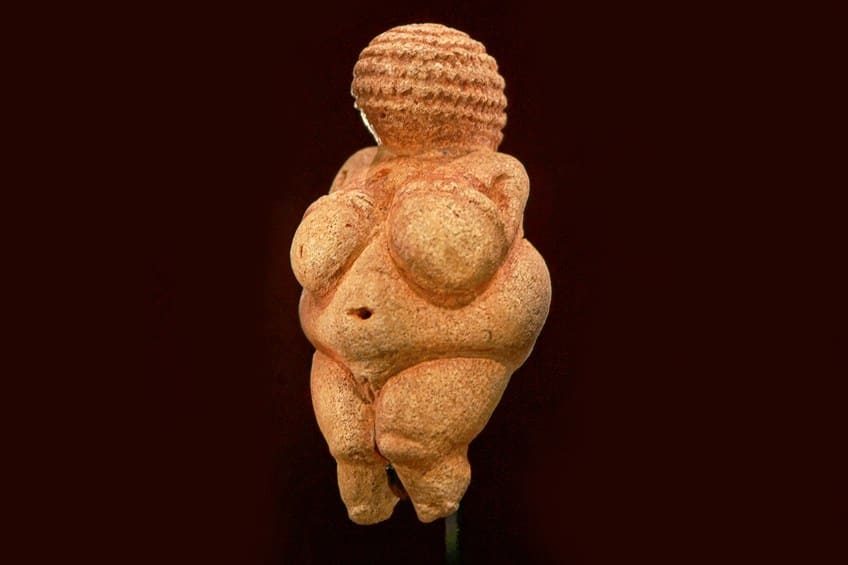
Venus of Willendorf

Venus of Willendorf

2026
Stonehenge

Stonehenge

2026
The Woman of Brassempouy

The Woman of Brassempouy

2026
Cycladic Figurine

Cycladic Figurine

2026
Ain Ghazal Statues

Ain Ghazal Statues

2026

Immersive Experience

Walk through this gallery in 3D

Step inside a virtual gallery space. Walk up to each artwork. See them as they were meant to be seen.

Experience in 3D

React to this gallery

Guestbook

Sign in to leave a comment.

Loading…