CURATORIAL TEXT (2026) — Alone in Public and Private: Isolation in Sacred and Modern Spaces
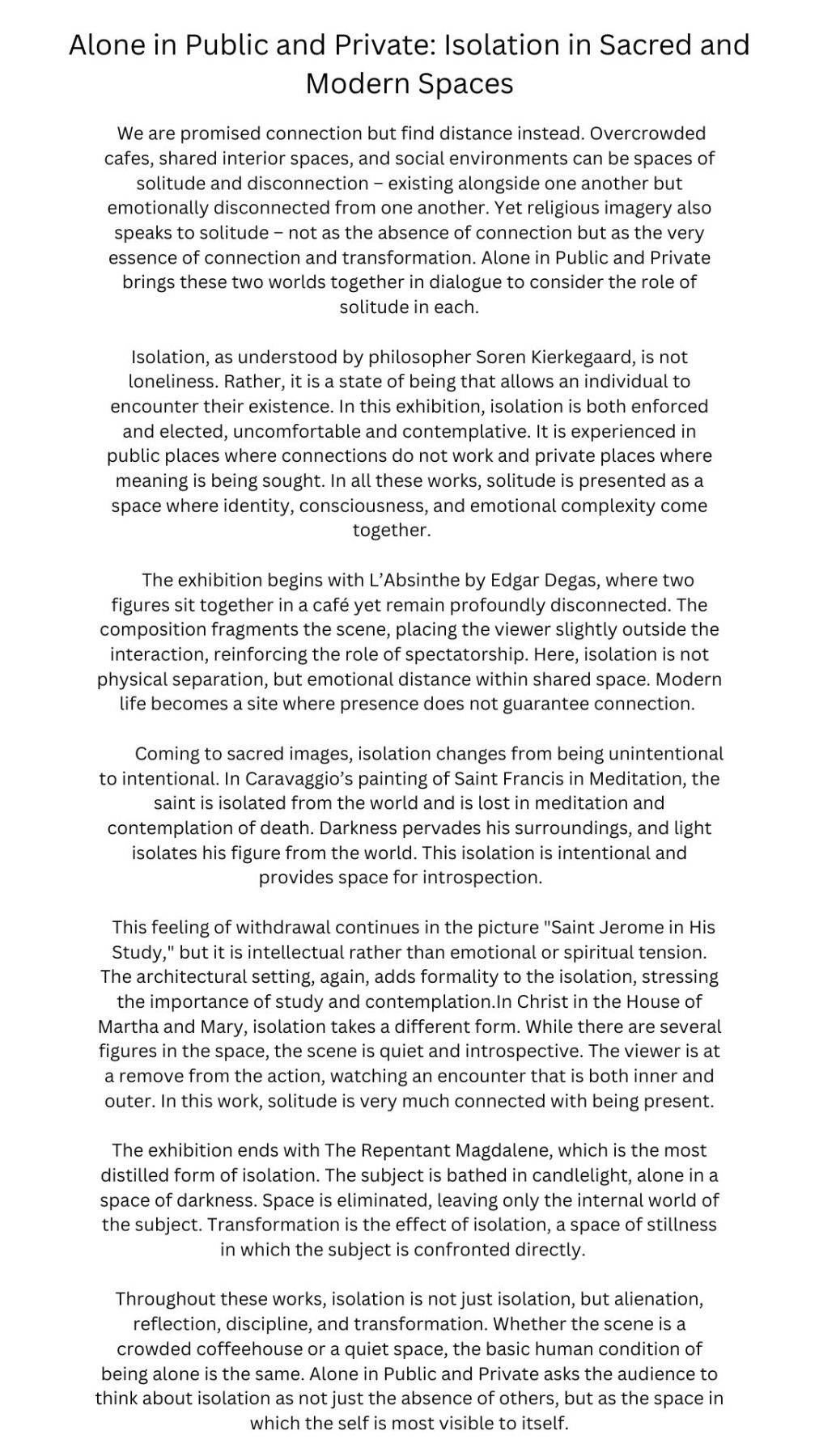
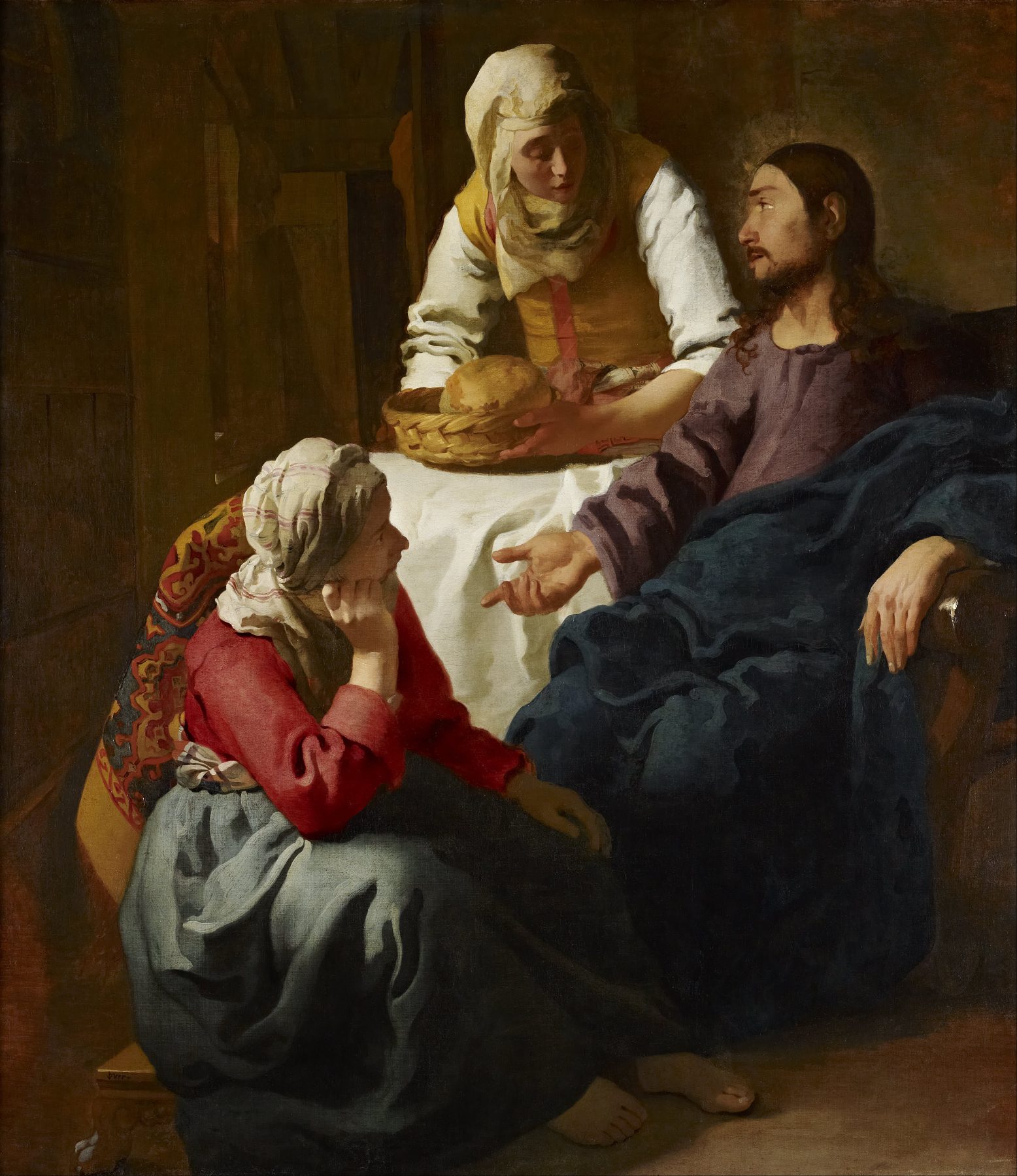
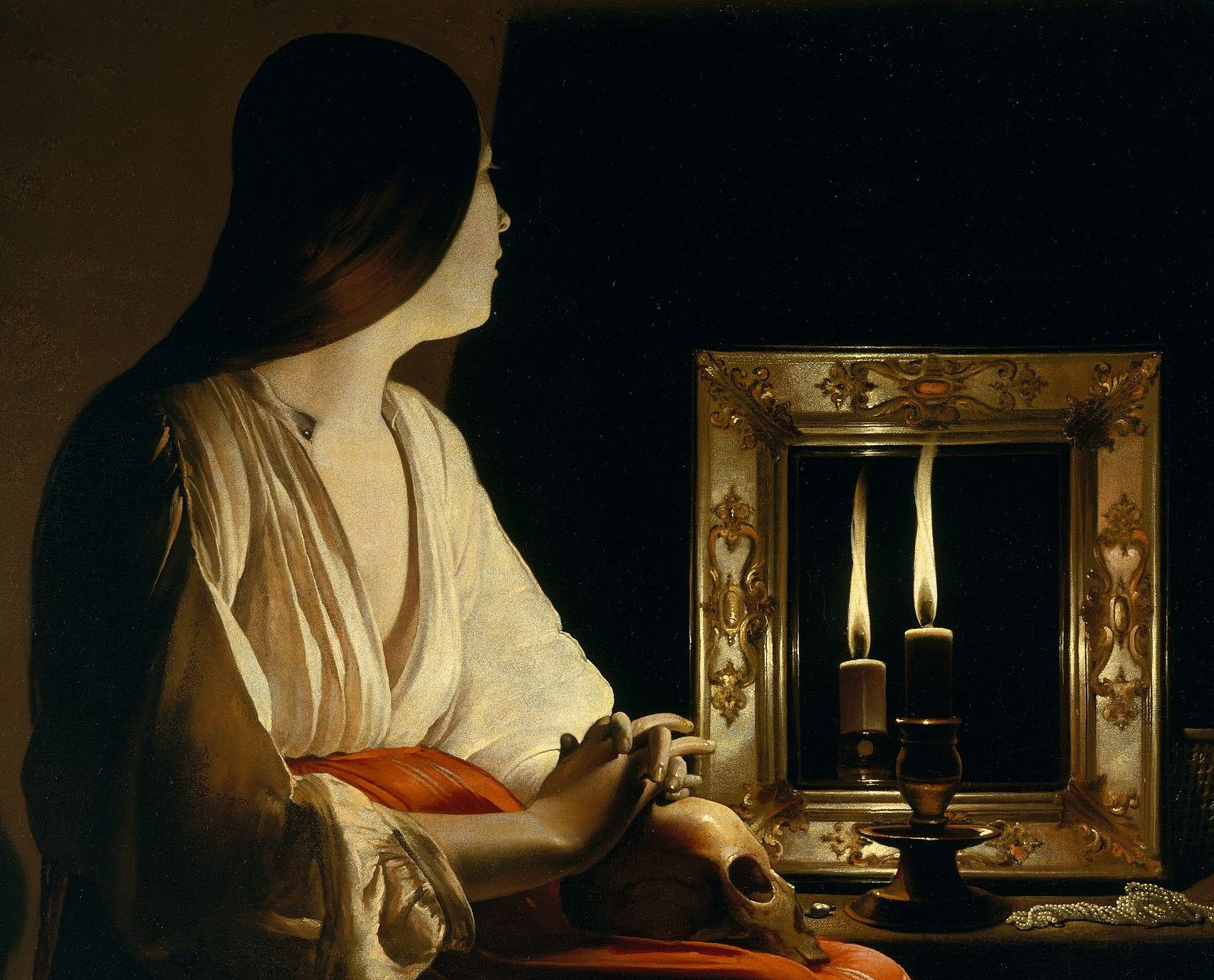
We are promised connection but find distance instead. Overcrowded cafes, shared interior spaces, and social environments can be spaces of solitude and disconnection – existing alongside one another but emotionally disconnected from one another. Yet religious imagery also speaks to solitude – not as the absence of connection but as the very essence of connection and transformation. Alone in Public and Private brings these two worlds together in dialogue to consider the role of solitude in each. Isolation, as understood by philosopher Soren Kierkegaard, is not loneliness. Rather, it is a state of being that allows an individual to encounter their existence. In this exhibition, isolation is both enforced and elected, uncomfortable and contemplative. It is experienced in public places where connections do not work and private places where meaning is being sought. In all these works, solitude is presented as a space where identity, consciousness, and emotional complexity come together. The exhibition begins with L’Absinthe by Edgar Degas, where two figures sit together in a café yet remain profoundly disconnected. The composition fragments the scene, placing the viewer slightly outside the interaction, reinforcing the role of spectatorship. Here, isolation is not physical separation, but emotional distance within shared space. Modern life becomes a site where presence does not guarantee connection. Coming to sacred images, isolation changes from being unintentional to intentional. In Caravaggio’s painting of Saint Francis in Meditation, the saint is isolated from the world and is lost in meditation and contemplation of death. Darkness pervades his surroundings, and light isolates his figure from the world. This isolation is intentional and provides space for introspection. This feeling of withdrawal continues in the picture "Saint Jerome in His Study," but it is intellectual rather than emotional or spiritual tension. The architectural setting, again, adds formality to the isolation, stressing the importance of study and contemplation. In Christ in the House of Martha and Mary, isolation takes a different form. While there are several figures in the space, the scene is quiet and introspective. The viewer is at a remove from the action, watching an encounter that is both inner and outer. In this work, solitude is very much connected with being present. The exhibition ends with The Repentant Magdalene, which is the most distilled form of isolation. The subject is bathed in candlelight, alone in a space of darkness. Space is eliminated, leaving only the internal world of the subject. Transformation is the effect of isolation, a space of stillness in which the subject is confronted directly. Throughout these works, isolation is not just isolation, but alienation, reflection, discipline, and transformation. Whether the scene is a crowded coffeehouse or a quiet space, the basic human condition of being alone is the same. Alone in Public and Private asks the audience to think about isolation as not just the absence of others, but as the space in which the self is most visible to itself.
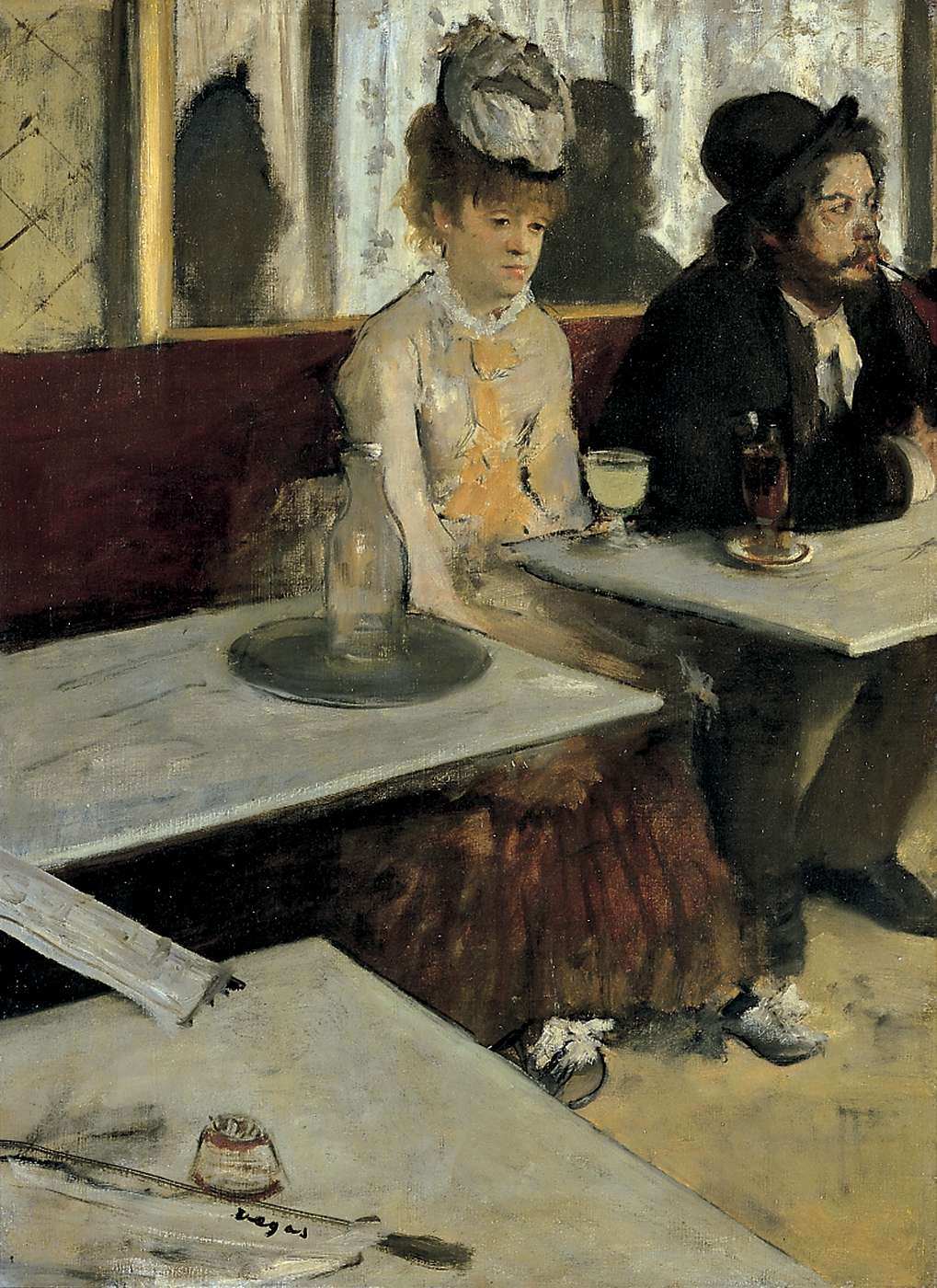
L’Absinthe Artist: Edgar Degas Year: 1875–1876 Medium: Oil on canvas (2026) — In the painting L’Absinthe, Edgar Degas portrays a scene of a woman and a man in a café, seated side by side, though emotionally distant from each other. The woman is seated with her shoulders slumped, with a glass of absinthe in front of her, while the man is seated with his back turned, lost in thought. The off-center composition of the painting, combined with the heavily cropped foreground of the table, is reminiscent of photography, though this technique was not commonly used by Degas. The somber tone of the scene is emphasized by the muted colors and the space around the two people. As an Impressionist painter, Degas was interested in the modern world, especially the psychological effects of modern living. The painting portrays the alienation that people may feel in a modern environment, where people coexist without interacting with each other. In the context of the exhibition, L’Absinthe portrays isolation as a modern concept, not of physical isolation, but of emotional isolation. The painting introduces the idea of isolation as a possibility even when people are together in a social environment, leading the way to the exploration of isolation in secular and religious settings.
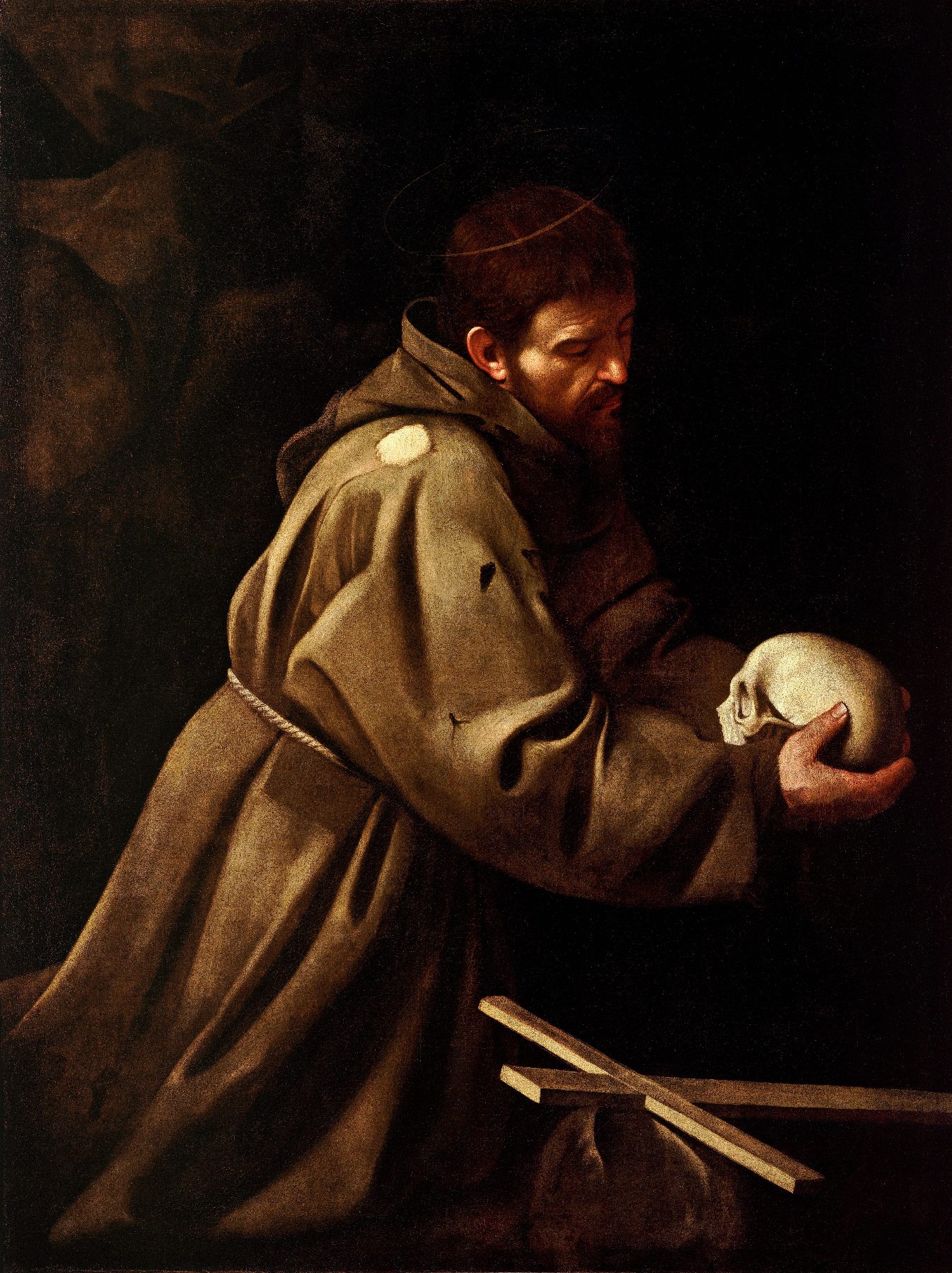
Saint Francis in Meditation Artist: Caravaggio Year: c.1606 Medium: Oil on canvas (2026) — Caravaggio’s depiction of St. Francis in Meditation shows the saint in isolation, seated in darkness, holding the skull as an emblem of death. The use of chiaroscuro in the painting highlights the isolation of the saint, as the focus of the light draws the viewer’s attention to the face and hands of the saint, while the rest of the space remains in darkness. Caravaggio, an artist of the Baroque period, was known for his naturalistic style and the use of chiaroscuro in his paintings. Caravaggio’s St. Francis in Meditation depicts the saint in isolation, lost in thought as he contemplates death and spirituality. The lack of detail in the background of the painting adds to the isolation, as the viewer focuses entirely on the internal condition of the saint. As the exhibition continues, the theme of alienation gives way to the theme of solitude, as depicted in Caravaggio’s St. Francis in Meditation. Unlike the alienation depicted in the café in the Degas painting, the isolation in Caravaggio’s St. Francis in Meditation is not passive but rather contemplative, as the theme of solitude in the painting highlights the space of spiritual awareness.
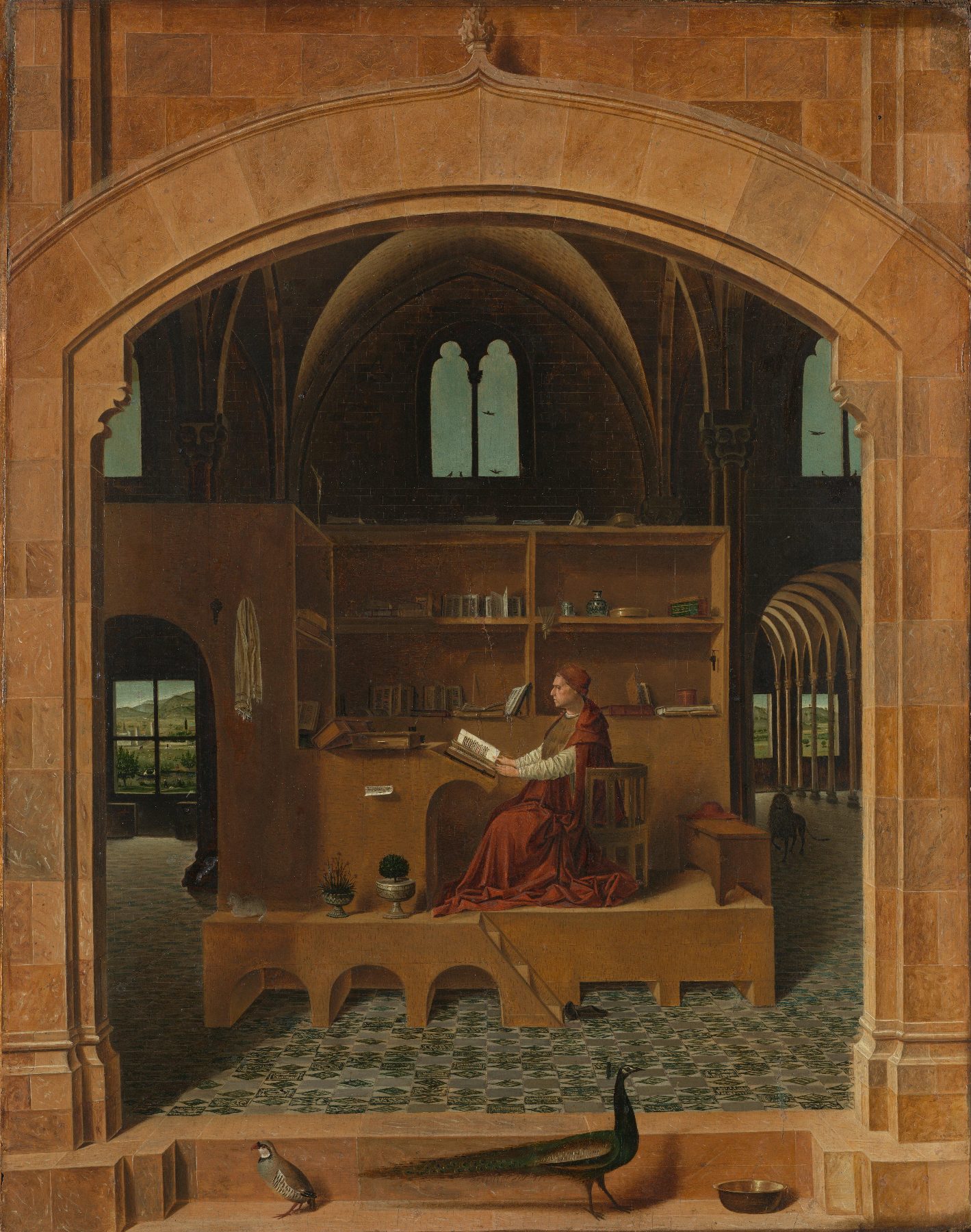
Saint Jerome in His Study Artist: Antonello da Messina Year: c.1475 Medium: Oil on panel (2026) — In the painting Saint Jerome in His Study, Antonello da Messina portrays a single subject in an intricately designed architectural space filled with various items and symbols. The linear perspective creates a direct gaze towards Saint Jerome, highlighting his central placement in the painting while at the same time placing him in isolation in the structured space. In portraying Saint Jerome, Antonello da Messina, as a Renaissance artist, used his precise perspective and detailed observation skills. The theme of portraying Saint Jerome is intellectually and spiritually focused, as he was known for translating the Bible. In the context of the exhibition, the painting portrays isolation as a form of intentional separation, reinforcing the notion that isolation is necessary for gaining knowledge, focus, and self-improvement.
Christ in the House of Martha and Mary Artist: Johannes Vermeer Year: c.1655 Medium: Oil on canvas (2026) — Johannes Vermeer’s painting, Christ in the House of Martha and Mary, is a quiet interior scene in which Christ is teaching, and the women are listening. The painting is balanced, serene, and has a sense of stability, with soft light on the figures, creating a contemplative mood. There are several figures in the space, but they are engaged in such a way as to create a sense of stillness. In Christ in the House of Martha and Mary, Vermeer uses the concept of spectatorship by placing the viewer outside the space. This creates a sense of intimacy, as the viewer is looking into a quiet, contemplative space. The figures are bathed in light, which creates a sense of emotion, drawing the eye to them. In the exhibition, this painting creates a sense of isolation. It demonstrates that, in spite of being in a space with others, people can be in solitude in their own minds.
The Repentant Magdalene Artist: Georges de La Tour Year: c.1640 Medium: Oil on canvas (2026) — Georges de La Tour’s The Repentant Magdalene is a painting that features a lone figure sitting in a dark space lit by candlelight. The painting is simple, with one light source that creates contrast between light and dark. The subject’s face and hands are lit, but the darkness eliminates all sense of space outside the figure. The artist’s use of light creates a somber mood that is introspective. The lack of detail in the space around the figure heightens the sense of solitude, as all focus is on the subject’s internal world. The subject is engaged in deep thought, emphasizing this as a time of personal transformation. The painting is the most complete example of solitude within the exhibition space because it eliminates all outside distractions, leaving only the individual. The painting is the last one in the exhibition, bringing solitude full circle as a space of self-confrontation.
CURATORIAL TEXT
2026
L’Absinthe Artist: Edgar Degas Year: 1875–1876 Medium: Oil on canvas
2026
Saint Francis in Meditation Artist: Caravaggio Year: c.1606 Medium: Oil on canvas
2026
Saint Jerome in His Study Artist: Antonello da Messina Year: c.1475 Medium: Oil on panel
2026
Christ in the House of Martha and Mary Artist: Johannes Vermeer Year: c.1655 Medium: Oil on canvas
2026
The Repentant Magdalene Artist: Georges de La Tour Year: c.1640 Medium: Oil on canvas
2026
Immersive Experience
Walk through this gallery in 3D
Step inside a virtual gallery space. Walk up to each artwork. See them as they were meant to be seen.