

The Ideal Body: Power, Beauty, and Perfection in Art
Artworks
- The Ideal Body Power, Beauty, and Perfection in Art It seems that throughout the course of history, the human figure has always been of interest to artists as something that represents power, beau (2026)
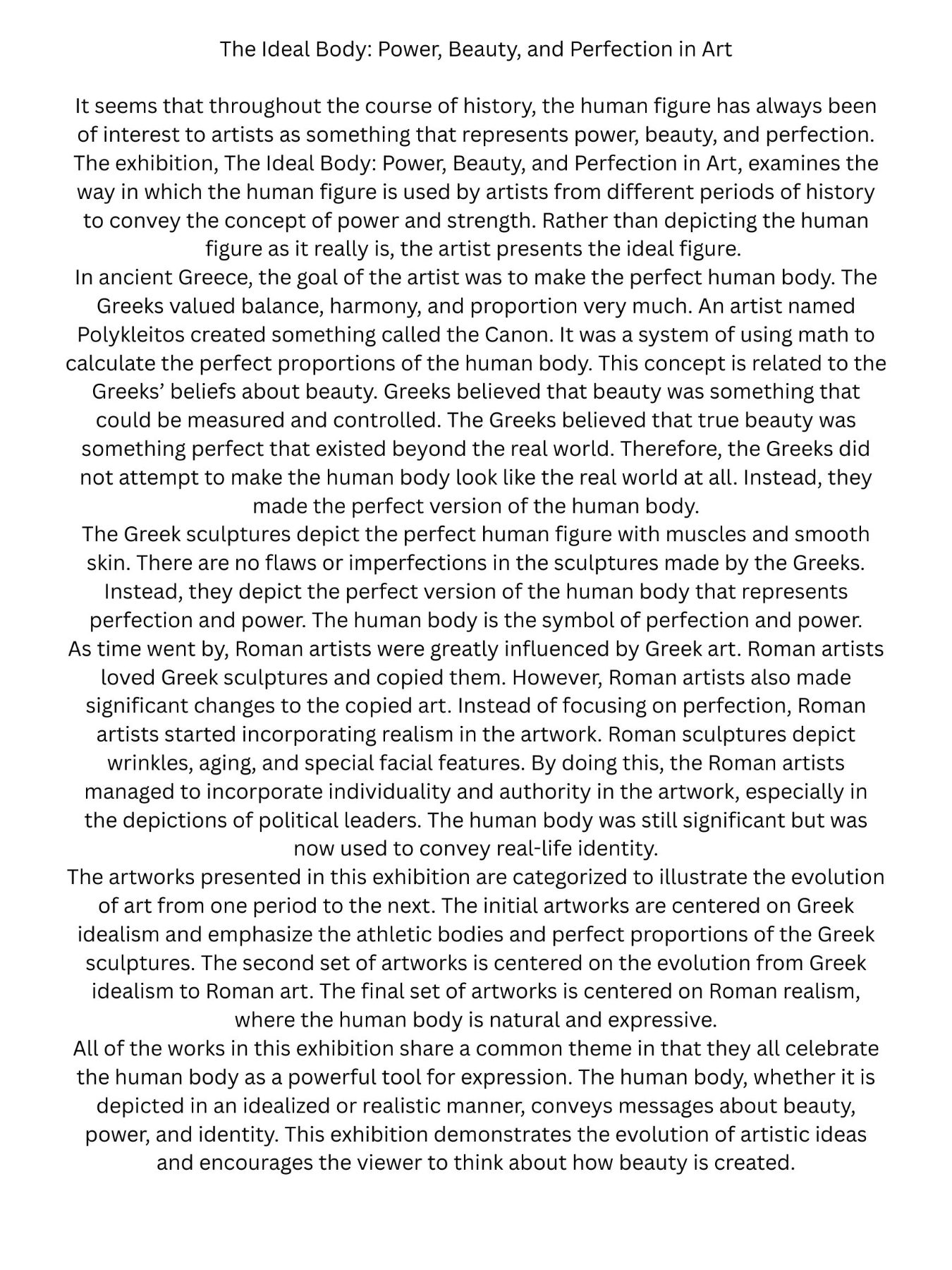
- Doryphoros 440 BCE — The Doryphoros by Polykleitos 440 BCE is one of the very important artworks from the ancient Greek classical sculupture eras. The statue shows how the idea of "perfect" human body. This statue is showinng a balanced pose called contrapposto, where the weight is shifted onto one leg. This creates a natural and relaxed look, but it is also very carefully planned. Polykleitos used math and proportions to design the body, following his system known as the Canon. This made the sculpture look both realistic and ideal at the same time. The Doryphoros is important because it influenced artists for many years after it was created. It became a model for how to show beauty, strength, and harmony in the human body. The muscles are detailed, but not exaggerated, showing control and perfection. This reflects the Greek belief that the human body could represent balance and order. Overall, this artwork perfectly represents the theme of ideal beauty in classical art. It shows how Greek artists focused on creating perfect forms instead of real individuals. Because of this, the Doryphoros remains one of the best examples of how art can combine science, math, and beauty into one powerful sculpture.
- Discobolus 450 BCE — The Discobolus by Myron is one of the best examples of Classical Greek art, reflecting the beauty of movement and the human form. This piece of art depicts a scene where an athlete is about to throw a discus throw. The pose of the body reflects movement and tension, as well as balance and planning. This reflects the Greek ideal of harmony, as the body looks balanced despite the movement. Myron emphasized the perfect body of an athlete. The muscles are well defined but not exaggerated, creating the perfect form of the human body. There is also evidence of an early concern with conveying movement, which was unusual at the time, as the figures were normally static. Despite the fact that the original was made of bronze, the Roman marble version still demonstrates the skill of the artist. The Discobolus is important as it is an image of beauty as well as action at the same time. It is an ideal representation of the theme of classical art, as it shows the capability of the human form to be powerful, balanced, and beautiful at the same time. Overall, this artwork was very influential on future artists and is an embodiment of the Greek ideal of perfection, both in form and in motion.
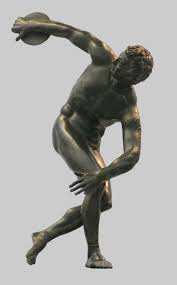
- Augustus of Prmia Porta 1st Century CE — The Augustus of Prima Porta, created by an anonymous Roman artist, is a prime example of Roman Imperial art, as it depicts beauty and power. The Augustus of Prima Porta is a statue of Augustus as a powerful and confident leader. Augustus is depicted in a contrapposto position, which was derived from earlier Greek works such as the Doryphoros. This demonstrates how Romans adopted the Greek concept of perfect proportions and balance, but used it for a political statement. The image of Augustus is depicted as having a youthful and perfect figure, despite him being old in actuality. This illustrates the Roman belief that they should idolize their leaders to ensure that they look powerful and divine. The image also indicates that Augustus is speaking to the people or leading an army because he has his arm raised. The armor, particularly the breastplate, is detailed with images depicting Roman victories and power. There is a small image of Cupid under Augustus’s feet, which illustrates that he comes from a divine background as Cupid is associated with Venus. Overall, this artwork is significant because it is a mix of realism and idealism. The artwork is perfect in terms of depicting the theme of power and the importance of human figures in Roman art. The artwork was used as propaganda to depict Augustus as the perfect ruler, thereby affecting leadership in art for centuries.
- Head of a Roman Patrician 1st Century BCE — The Head of a Roman Patrician, done by an unknown Roman artist, is a great example of Roman portrait sculpture that emphasizes realism rather than beauty. This differs from Greek art, which depicted perfect figures, while in this work, all details of the person’s facial features are depicted. The wrinkles, lines, and signs of old age are all depicted, and the figure looks very real. This style is known as verism, in which the artist depicts old age rather than hiding it. This picture is of a Roman patrician, which means that it is of a member of the upper class of the Roman Empire. In the Roman culture, the older an individual was, the wiser, more powerful, and more respected they were. The artist is showing this by depicting the individual with these characteristics. The serious look on the individual’s face is showing strength, which was an important value in the Roman culture, especially in their leaders. The reason the Head of a Roman Patrician is important is that it represents the difference between Greek and Roman art. Greek art emphasized the ideals of perfection, while Roman art emphasized the ideals of truth and realism. The sculpture represents the theme of Roman art, as it emphasizes the importance of identity, status, and character. Overall, it represents the power of art in honoring people and portraying the importance of the person in society through realism.
The Ideal Body Power, Beauty, and Perfection in Art It seems that throughout the course of history, the human figure has always been of interest to artists as something that represents power, beau
2026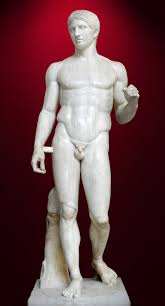
Doryphoros 440 BCE
Discobolus 450 BCE
Augustus of Prmia Porta 1st Century CE
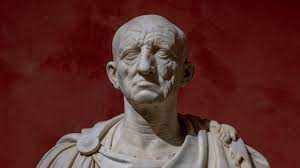
Head of a Roman Patrician 1st Century BCE
Immersive Experience
Walk through this gallery in 3D
Step inside a virtual gallery space. Walk up to each artwork. See them as they were meant to be seen.
React to this gallery
Guestbook
Sign in to leave a comment.
Loading…