
Tradition, Power, and Cultural Identity in Asian Art
This exhibition focuses on the way Asian artwork is influenced by changes in the relationship between tradition, power, spirituality, and culture through various eras in China, Japan, and India. Through the integration of artworks from the fields of sculptural art, architecture, landscape painting, pottery, and woodblock printing, the exhibition shows that artistic practice served not just an aesthetic purpose, but also political and spiritual purposes, spiritual belief, and cultural continuity. The works that have been chosen show how Asian artists reacted to new circumstances and remained true to their tradition. As stated by Michael Sullivan, an art historian, traditional Chinese art is characterized by the harmony between man and nature. This is not only relevant to Chinese culture, but the whole Asian tradition of art, which implies a relationship between nature, spiritual world, and man. In general, art reflects culture, religion, politics, and other aspects of life. Starting with the terracotta warriors and horses of Qin Shi Huang, the exhibit sets the tone for art as an extension of power and spirituality. These sculptures symbolize royal might, military prowess, and superstitions regarding death. They illustrate the idea that art has long been employed to establish control that underlies early Asian artistic production. This concept of art structure and refinement is carried further in the “Lantern-Shaped Porcelain Vase” of the Qing Dynasty era, in which skill and decoration indicate culture and international exchange. In this case, the importance of art is not only functional but also aesthetically pleasing, thus showing how material culture could show status and refinement. On to the next artwork, the philosophy aspect of art is highlighted through Fan Kuan’s masterpiece, the “Travelers among Mountains and Streams.” The inspiration behind the work of art comes from Daoism and Confucianism philosophies, which portray man as being insignificant in nature. Then the Great Stupa of Sanchi exemplifies a sacred form of architecture in its association with Buddhist traditions. Symbolizing enlightenment and rebirth, the stupa is an architectural masterpiece that also serves as an illustrative relief, which highlights the importance of art and architecture in the practice of religion. Lastly, the Great Wave off Kanagawa by Hokusai is a reflection of nature’s power and volatility in Japanese culture. By incorporating elements of composition and motion, the work captures the contrast between human vulnerability and powerful nature. In all, these pieces illustrate the ways through which Asian art manages to preserve its traditions even amidst changing cultures. These pieces show the deep connections among the themes of power, spirituality, craft, and nature that characterize Asian.
Artworks
- Terracotta Soldiers, Mausoleum of Qin Shi Huang, Unknown Chinese artists - c. 210 BCE, Terracotta sculpture/clay, Xi’an, China — The Terracotta Army is an important piece of art due to the skilled workmanship of the artists and the historic significance of the sculptures. There is great organization through the repeated images of warriors, yet there are differences through their facial features. The armor and clothes have the texture to reflect the advanced techniques used by the sculptors. This piece of art can convey to viewers the magnitude of power held by Emperor Qin Shi Huang and the significance of military prowess in the Qin Dynasty. The viewers gain an insight into the greatness of this ambitious project. This piece of art has combined artistic talents, historical facts, and cultural values that show the importance of authority and the afterlife in ancient China.
- Lantern-Shaped Porcelain Vase, Unknown Chinese artist, Kangxi Period (1662–1722) - Porcelain, Jingdezhen, China — The lantern-shaped porcelain vase is a successful artwork due to its technique, perfect form, and decoration. The use of colors blue and white produces a great contrast and harmony of the painting. Patterns used repeat several times throughout the whole vase and lead the viewer's eye around the vase. The smooth porcelain proves the highly ceramic technique. The shape of the vase makes it beautiful to look at. The value of this piece lies in its artistry and porcelain significance during the reign of the Qing dynasty. The artistry of the vase and its decoration have continued to be considered as the key factors making it admired by people. This artwork displays Chinese skills in ceramic works. Elegance and harmony displayed in this vase refer to the Chinese concepts of beauty and perfection.
- Travelers among Mountains and Streams, Fan Kuan, c. 1000 CE, Song Dynasty (960- 1279) Hanging scroll, ink and light color on silk, 206.3 x 103.3cm, National Palace Museum — Travelers among Mountains and Streams is an effective artwork because of its strong use of scale, depth, and detailed brushwork. The enormous mountains immediately draw attention and create a sense of visual over smaller human figures. It creates perspective and depth within the landscape. The contrast between dark ink textures and soft mist areas adds variety and balance to the painting. The artwork is meaningful because it combines artistic skills with philosophical ideas about humanity and nature. Fan Kuan’s careful attention to natural details and spatial organization makes the painting one of the most important examples of Chinese landscape art. The detailed brushwork and dramatic scale show the importance of nature in Chinese philosophy. The artwork encourages contemplation and spiritual reflection.
- The Great Stupa at Sanchi (India), Unknown (Mauryan / later Buddhist builders), c. 3rd century BCE (with later additions), Stone architecture (stupa, relief sculpture) - Sanchi, Madhya Pradesh, India — The Great Stupa of Sanchi can be described as a masterpiece of art because all its aspects include architecture, sculpture, and religion united in the creation of a sacred building. The images of visual narratives created in the form of carvings of the gateway allow learning more about the teachings of Buddhism and moral standards. The visual tension created through the combination of a massive dome and delicate relief carvings allows for creating various kinds of visual experiences of the viewers. The structure can be defined as very valuable because it represents one of the oldest samples of Buddhist architecture in India. The ideas of spirituality, rituals, and enlightenment are represented here. It is possible to view it as an excellent sample of religious art. This piece of art would suit well to represent in your exhibition as it will help to illustrate the examples of early religious art from India, Buddhism philosophy, and architecture.
- The Great Wave off Kanagawa, Hokusai, c. 1831- Woodblock print — The Great Wave off Kanagawa can be defined as an excellent and outstanding artwork owing to its composition, design, and movement. It is impossible not to note the large wave that serves as the central object of this piece of work. There is a good harmony between the threatening and dangerous atmosphere of the sea and calmness of Mount Fuji. The ability of Hokusai to use lines, rhythms, and colors in his prints indicates that he was a master in woodblock printing. This print still influences modern art because of the successful combination of beauty and uncertainty. Such issues as humanity and nature are still topical for modern times. The themes reflected in this painting are characteristic of Asian art, in particular, the unity with nature.
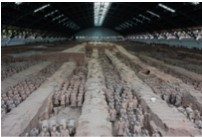
Terracotta Soldiers, Mausoleum of Qin Shi Huang, Unknown Chinese artists - c. 210 BCE, Terracotta sculpture/clay, Xi’an, China
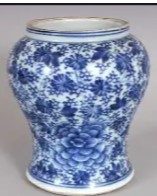
Lantern-Shaped Porcelain Vase, Unknown Chinese artist, Kangxi Period (1662–1722) - Porcelain, Jingdezhen, China
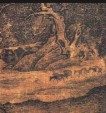
Travelers among Mountains and Streams, Fan Kuan, c. 1000 CE, Song Dynasty (960- 1279) Hanging scroll, ink and light color on silk, 206.3 x 103.3cm, National Palace Museum
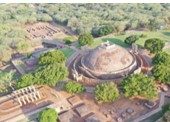
The Great Stupa at Sanchi (India), Unknown (Mauryan / later Buddhist builders), c. 3rd century BCE (with later additions), Stone architecture (stupa, relief sculpture) - Sanchi, Madhya Pradesh, India
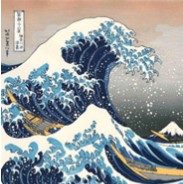
The Great Wave off Kanagawa, Hokusai, c. 1831- Woodblock print
Immersive Experience
Walk through this gallery in 3D
Step inside a virtual gallery space. Walk up to each artwork. See them as they were meant to be seen.
React to this gallery
Guestbook
Sign in to leave a comment.
Loading…