image 0 (2026) — Identity Disembodied: presence through absence
Marginalized identities have historically been made hypervisible, scrutinized, and categorized. Visibility is often framed as recognition, yet it can also function as control. Identity Disembodied shifts away from the expectation that identity must be proven through exposure. Here, race, gender, and sexuality emerge through suggestion, material, gesture, and trace. The body is not always shown, but its experience of identity is deeply felt.
Here, opacity, functions as conceptualized by Denise Ferreira da Silva (2015): it becomes a strategy of refusal, a way of existing without being completely known or captured. Opacity is not absence as lack. It is absence as agency. It allows identity to remain layered, resistant, and unresolved.
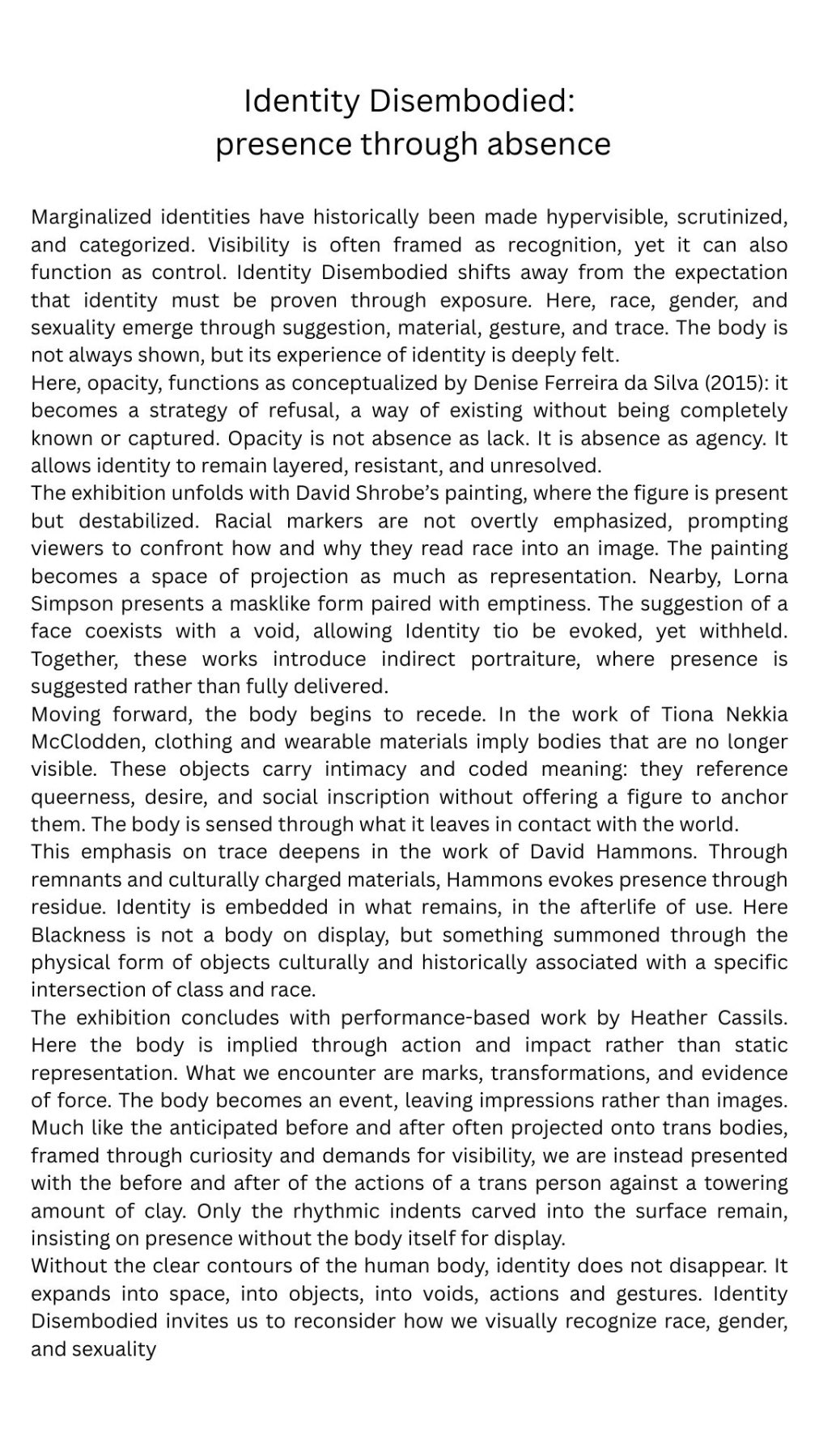
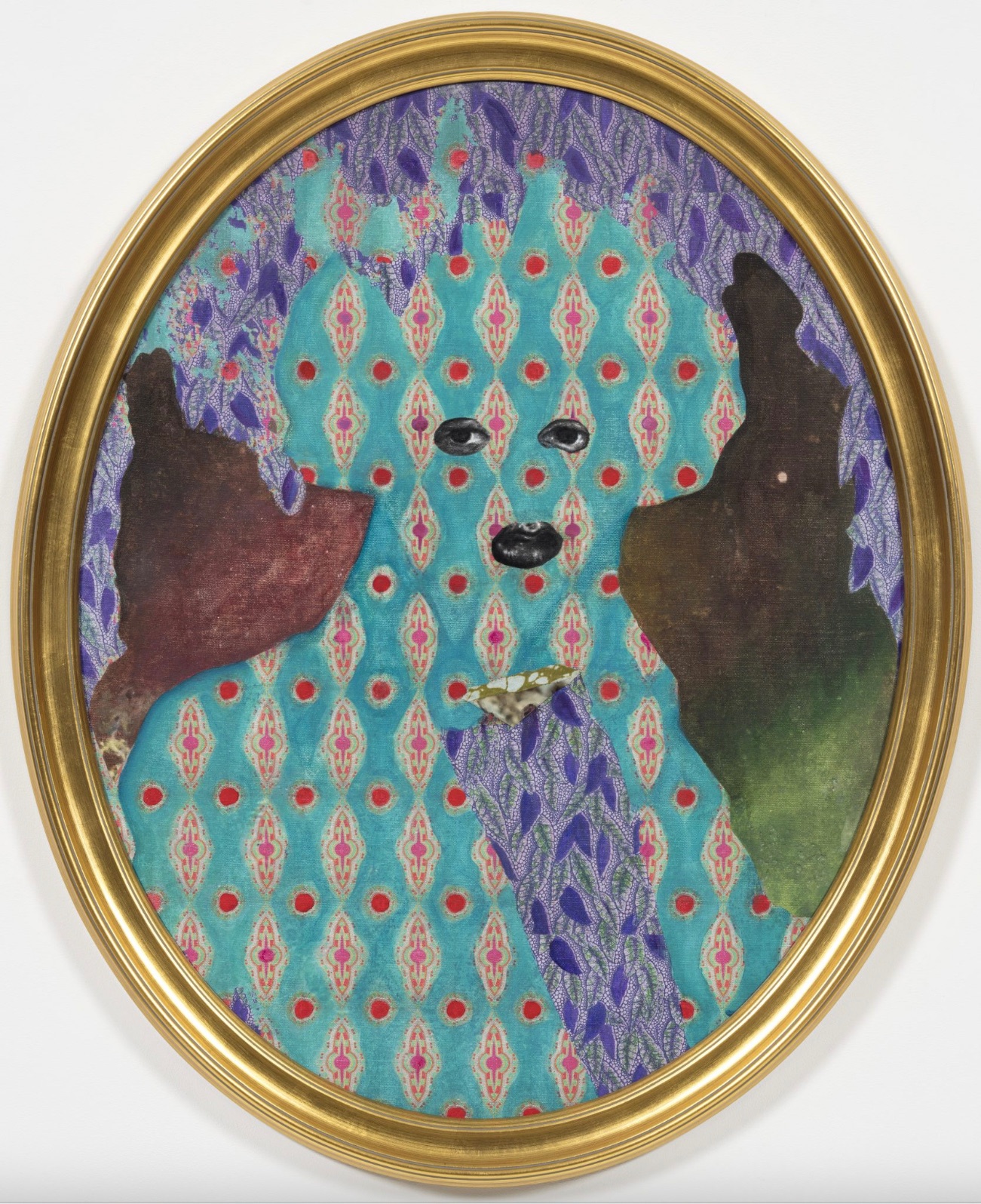
The exhibition unfolds with David Shrobe’s painting, where the figure is present but destabilized. Racial markers are not overtly emphasized, prompting viewers to confront how and why they read race into an image. The painting becomes a space of projection as much as representation. Nearby, Lorna Simpson presents a masklike form paired with emptiness. The suggestion of a face coexists with a void, allowing Identity tio be evoked, yet withheld. Together, these works introduce indirect portraiture, where presence is suggested rather than fully delivered.
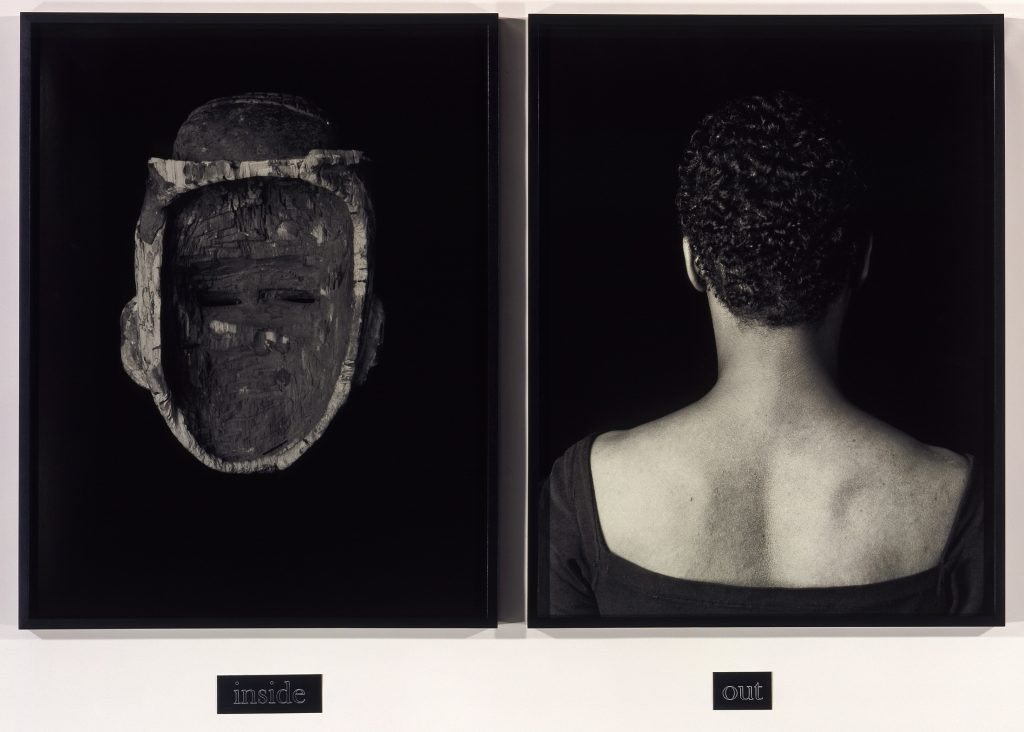
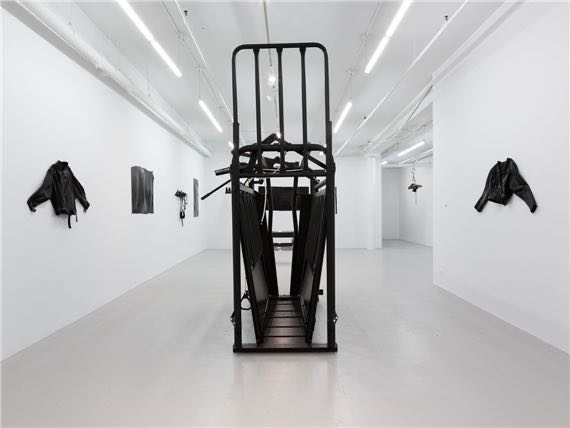
Moving forward, the body begins to recede. In the work of Tiona Nekkia McClodden, clothing and wearable materials imply bodies that are no longer visible. These objects carry intimacy and coded meaning: they reference queerness, desire, and social inscription without offering a figure to anchor them. The body is sensed through what it leaves in contact with the world.
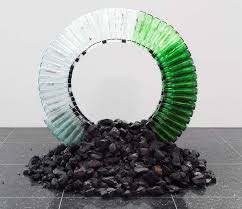
This emphasis on trace deepens in the work of David Hammons. Through remnants and culturally charged materials, Hammons evokes presence through residue. Identity is embedded in what remains, in the afterlife of use. Here Blackness is not a body on display, but something summoned through the physical form of objects culturally and historically associated with a specific intersection of class and race.
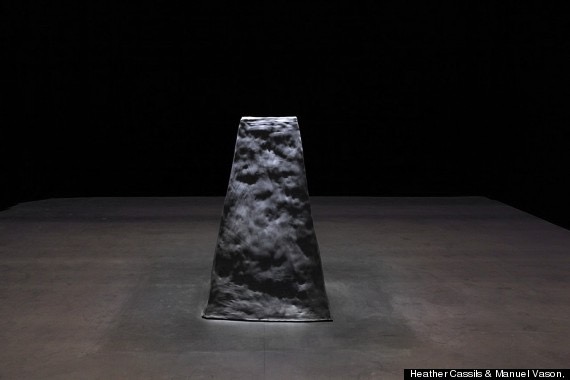
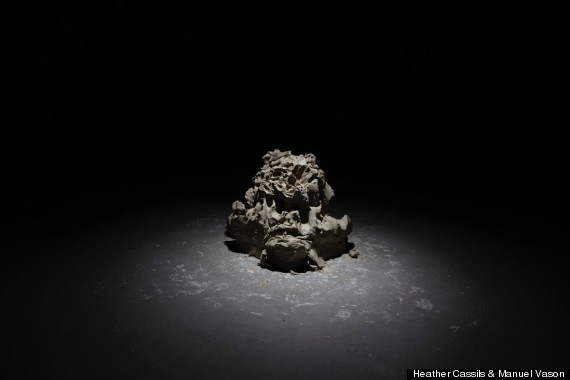
The exhibition concludes with performance-based work by Heather Cassils. Here the body is implied through action and impact rather than static representation. What we encounter are marks, transformations, and evidence of force. The body becomes an event, leaving impressions rather than images. Much like the anticipated before and after often projected onto trans bodies, framed through curiosity and demands for visibility, we are instead presented with the before and after of the actions of a trans person against a towering amount of clay. Only the rhythmic indents carved into the surface remain, insisting on presence without the body itself for display.
Without the clear contours of the human body, identity does not disappear. It expands into space, into objects, into voids, actions and gestures. Identity Disembodied invites us to reconsider how we visually recognize race, gender, and sexuality.
Shaded by Trees, 2020 David Shrobe. Acrylic, ink and African print fabric on canvas in gold leaf wood frame behind glass 34 x 27 x 2 inches (2026) — David Shrobe creates a not-quite-portrait by combining a bright blue printed African textile with a photographic image, only allowing the figure's eyes and mouth to be seen. An ascot at the figure’s neck and the tree under which they sit are made of a light purple African textile. The silhouette of the figure, their attire, and the gold oval frame suggest a heroic ancestor from the past, such as Frederick Douglass, although the work is not anchored to a particular person or time. Here, and in other artworks, David Shrobe creates bust-length likenesses that challenge traditional painted portraiture. He primarily makes his “portraits” from discarded materials suggestive of domestic spaces, such as disassembled furniture and textiles. The image is and also is not a portrait. The implication of the human figure, including the silhouette, the floating eyes and mouth, and the suggestion of an ascot, is present, but the actual figure is missing and replaced with blue fabric with a repeated pattern, creating flatness instead of depth of personhood. The material of the fabric that fill the silhouette itself anchors identity here: the printed African textile indexes the figure back to Blackness. This provocative piece urges us to answer: can a portrait exist without clearly rendering the personhood of an individual? And most interestingly, can core identity traces, like gender and race, be communicated with such minimal suggestion of the human body?
Lorna Simpson, Flipside, 1991. Gelatin silver prints and engraved plastic plaque, diptych 51 1/2 x 70 inches (130.8 x 177.8 cm) (2026)
image 3 (2026)
image 4 (2026)
image 5 (2026)
image 6 (2026)
image 7 (2026)
image 0
2026
Shaded by Trees, 2020 David Shrobe. Acrylic, ink and African print fabric on canvas in gold leaf wood frame behind glass 34 x 27 x 2 inches
2026
Lorna Simpson, Flipside, 1991. Gelatin silver prints and engraved plastic plaque, diptych 51 1/2 x 70 inches (130.8 x 177.8 cm)
2026
image 3
2026
image 4
2026
image 5
2026
image 6
2026
image 7
2026
Immersive Experience
Walk through this gallery in 3D
Step inside a virtual gallery space. Walk up to each artwork. See them as they were meant to be seen.