Explore 3D Virtual Art Galleries
Browse 113 virtual art galleries on Galerra. Walk through immersive 3D exhibitions featuring photography, digital art, traditional art, and more.
Featured galleries
- Power, Authority, and the Image of Leadership — 28 views
- Human Experience And Perception — 28 views
- Echoes on Stone: Seeing the World Through Prehistoric Eyes — 28 views
- Rotture e fessure — 28 views
- Candidness Of Human Emotion — 25 views
- The Broken Hellenistic Period Showcase — 25 views
- Between Awe and Grief: Human Responses to the Divine in Renaissance Art — 25 views
- Constructing Her: femininity as performance, spectacle, and control — 21 views
- Tradition, Power, and Cultural Identity in Asian Art — 21 views
- El club de las "E" — 15 views
- The Mold: Women Shaped by Expectation — 12 views
- objects that remember — 12 views
Discover
galleries.
Walkable 3D exhibitions by artists worldwide. Click any to step inside.
Create your own — free
Human Experience And Perception
This Gallery, Human Experience and Perception, explores how artists represent emotion, movement, and everyday life through different styles and time periods. The selected works highlight how perception is shaped by light, color, and composition, from quiet moments of isolation to vibrant expressions of energy and connection. Together, these pieces show how art can capture both personal and shared human experiences, revealing how individuals interact with their environment and each other. Each artwork reflects a unique perspective, yet all connect through their focus on emotion, atmosphere, and the way we see the world. Take a look!

Constructing Her: femininity as performance, spectacle, and control
For this curation, I bring together artworks that explore femininity not as something natural or fixed, but as something socially constructed, performed, observed, and consumed. Across photography, installation, sculpture, and performance art, the selected works examine the pressures placed on women to embody idealized versions of beauty, behavior, vulnerability, and desirability. Rather than presenting femininity as stable or authentic, these artists reveal how female identity is shaped through performance, spectatorship, domestic expectations, and systems of control. One of the central questions guiding this exhibition is: how much femininity is genuinely self-defined, and how much is constructed through social expectations and visual culture? I am interested in artworks that appear visually elegant or refined on the surface while simultaneously carrying emotional tension, discomfort, or psychological unease beneath that appearance. The exhibition progresses from staged feminine presentation toward bodily vulnerability, fragmentation, and objectification, allowing viewers to experience femininity as both spectacle and pressure. Some works directly depict the female body, while others imply it through objects, installations, or fragments. Together, they suggest that femininity is continually shaped through performance, observation, and public consumption. In Ways of Seeing, art critic and author John Berger writes, “Men act, and women appear.” Berger argues that women are conditioned to observe themselves through the imagined perspective of others. Rather than simply existing, they are often expected to shape their appearance and behavior around being seen, judged, and consumed visually. Berger’s ideas are central to this exhibition because each artwork examines the tension between authentic identity and performed femininity. Across these works, femininity becomes staged, disciplined, controlled, or fragmented under public observation. Whether through cinematic self-presentation, domestic performance, bodily vulnerability, racialized spectacle, or artificial beauty standards, the artists reveal how women are frequently transformed into images to be viewed rather than individuals allowed to exist freely. Several concepts from Berger’s work inform this project. First, women are often positioned as images or spectacles for visual consumption. Second, femininity becomes performative through self-surveillance, as appearance, posture, beauty, and behavior are shaped by the awareness of being watched. Finally, Berger connects observation to systems of power, suggesting that looking is not neutral but can shape identity, behavior, and bodily autonomy. The exhibition follows a deliberate sequence. It begins with Cindy Sherman’s staged self-portrait, where femininity appears cinematic and carefully performed. Martha Rosler then introduces the pressures of domestic labor and behavioral expectations, exposing frustration beneath everyday routines. The emotional center is reached with Marina Abramović’s Rhythm 0, where the female body becomes vulnerable to public interaction and control. From there, Kara Walker expands the discussion by connecting femininity to racialized spectacle, consumption, and historical exploitation. Finally, the exhibition concludes with ORLAN’s surgical performance work, where femininity is physically reconstructed through cosmetic procedures shaped by historical beauty ideals. This progression allows the exhibition to become increasingly psychologically unsettling, moving from polished feminine appearance toward fragmentation, vulnerability, and the consequences of being shaped through systems of observation and control. Ultimately, the exhibition invites viewers to question how ideas of femininity are produced, maintained, and consumed, while considering the emotional and physical costs of living under constant scrutiny and expectation.

Tradition, Power, and Cultural Identity in Asian Art
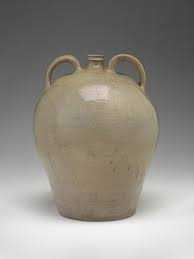
This exhibition focuses on the way Asian artwork is influenced by changes in the relationship between tradition, power, spirituality, and culture through various eras in China, Japan, and India. Through the integration of artworks from the fields of sculptural art, architecture, landscape painting, pottery, and woodblock printing, the exhibition shows that artistic practice served not just an aesthetic purpose, but also political and spiritual purposes, spiritual belief, and cultural continuity. The works that have been chosen show how Asian artists reacted to new circumstances and remained true to their tradition. As stated by Michael Sullivan, an art historian, traditional Chinese art is characterized by the harmony between man and nature. This is not only relevant to Chinese culture, but the whole Asian tradition of art, which implies a relationship between nature, spiritual world, and man. In general, art reflects culture, religion, politics, and other aspects of life. Starting with the terracotta warriors and horses of Qin Shi Huang, the exhibit sets the tone for art as an extension of power and spirituality. These sculptures symbolize royal might, military prowess, and superstitions regarding death. They illustrate the idea that art has long been employed to establish control that underlies early Asian artistic production. This concept of art structure and refinement is carried further in the “Lantern-Shaped Porcelain Vase” of the Qing Dynasty era, in which skill and decoration indicate culture and international exchange. In this case, the importance of art is not only functional but also aesthetically pleasing, thus showing how material culture could show status and refinement. On to the next artwork, the philosophy aspect of art is highlighted through Fan Kuan’s masterpiece, the “Travelers among Mountains and Streams.” The inspiration behind the work of art comes from Daoism and Confucianism philosophies, which portray man as being insignificant in nature. Then the Great Stupa of Sanchi exemplifies a sacred form of architecture in its association with Buddhist traditions. Symbolizing enlightenment and rebirth, the stupa is an architectural masterpiece that also serves as an illustrative relief, which highlights the importance of art and architecture in the practice of religion. Lastly, the Great Wave off Kanagawa by Hokusai is a reflection of nature’s power and volatility in Japanese culture. By incorporating elements of composition and motion, the work captures the contrast between human vulnerability and powerful nature. In all, these pieces illustrate the ways through which Asian art manages to preserve its traditions even amidst changing cultures. These pieces show the deep connections among the themes of power, spirituality, craft, and nature that characterize Asian.

The Mold: Women Shaped by Expectation
In this gallery, I want to highlight what it means to be a woman in today’s society and how those expectations have existed for centuries. Each artwork shows a different stage of womanhood and the emotional and physical pressures attached to it. I chose works that carry feelings of vulnerability, exhaustion, constraint, and grief. The exhibition follows a progression from childhood innocence into pressure from society, mental exhaustion, marriage, and motherhood. Together, these works show how women are shaped, confined, and emotionally consumed by expectations that have been instilled into society for centuries. Jo March in Little Women (2019) expresses, “Women have minds and they have souls as well as just hearts. They’ve got ambition and they’ve got talent as well as just beauty. I am so sick of people saying that love is just all a woman is fit for. I’m so sick of it! But — I am so lonely.” The first half of this quote connects to ambition and the desire to be seen as more than beauty, marriage, and motherhood. The second half reveals emotional isolation that can come from resisting those expectations. Even when women push against the mold society creates for them, they can still end up exhausted by it and left grieving the identity they could have had. I plan to begin the gallery with artwork that represents the physical mold women are expected to fit into from the beginning of history. The Venus of Willendorf is a small prehistoric sculpture with exaggerated breasts, hips, and a rounded stomach, while the face lacks any defining features. It represents the reduction of women to fertility and childbearing, with little individuality. This connects to my concept of women being shaped by expectation rather than seen as full individuals. From there, the exhibition transitions into childhood and adolescence. Little Fourteen-Year-Old Dancer by Edgar Degas shows a young dancer standing upright with pride and poise, wearing a bodice and tutu, yet her expression and posture also suggest exhaustion. It reflects the pressure young girls face to appear graceful, disciplined, and perfect, showing how early women begin to mold themselves into societal expectations. The middle of the gallery focuses on emotional and physical exhaustion. The Broken Column by Frida Kahlo shows her standing upright, her body split open and held together by a crumbling column and restrictive corset. It captures both suffering and strength, reflecting the hidden exhaustion women often carry while still being expected to remain composed. The exhibition then moves into marriage and the loss of individuality. The Bride by Gustav Klimt shows a bride absorbed into swirling color, crowded figures, and fragmented forms, becoming part of the chaos rather than standing apart. It reflects the pressure of marriage and the loss of individuality within societal roles. The final artwork focuses on motherhood and quiet grief. The Child’s Bath by Mary Cassatt shows a mother washing her child’s feet in a muted, patterned domestic scene. The subdued colors suggest emotional exhaustion and routine. It reflects how women can lose parts of their identity through constant caregiving. Together, these works complete a progression showing how women are shaped over time by expectation.